Dec 8, 2025
Annual Savings from FDA Generic Drug Approvals: Year-by-Year Breakdown
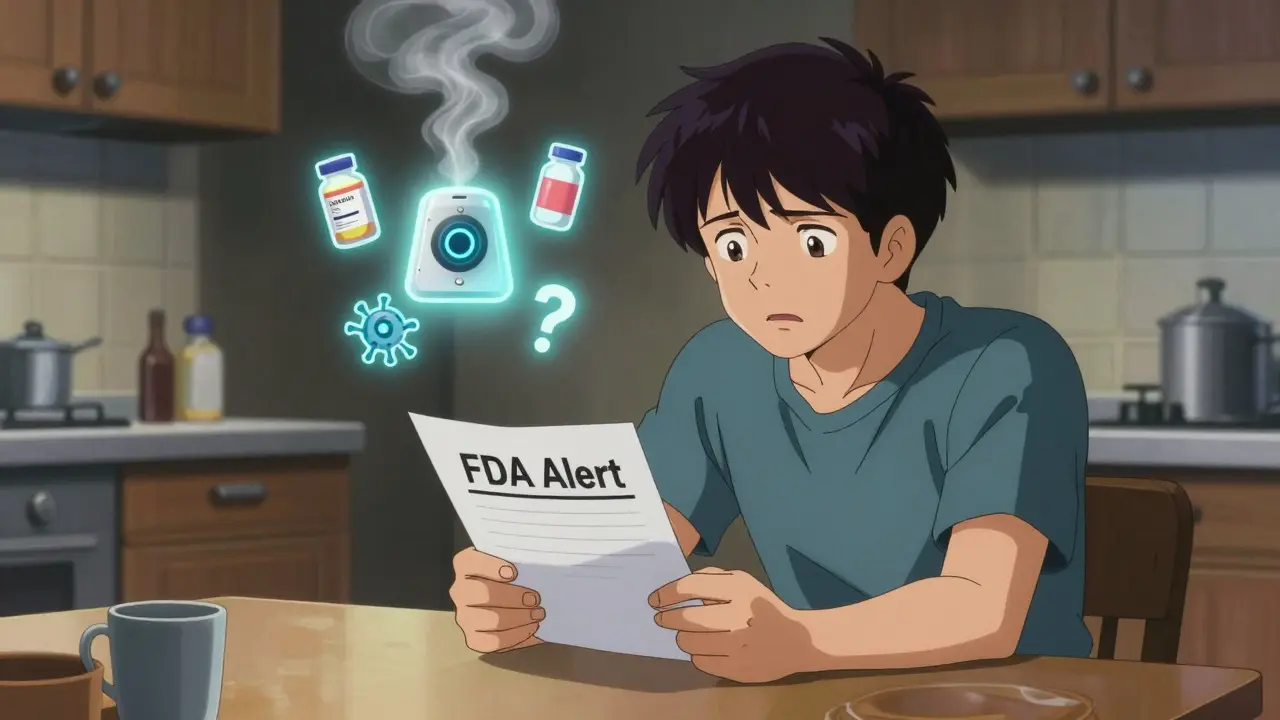
Learn how to read FDA safety announcements without panic. Understand the difference between potential signals and confirmed risks, and how benefit vs. risk is truly assessed for prescription drugs.

Oral corticosteroids are a dangerous mainstay in severe asthma treatment, causing long-term harm despite short-term benefits. Biologics now offer a proven, safer alternative that reduces dependence, hospitalizations, and costs. Learn how they work and why access remains a barrier.
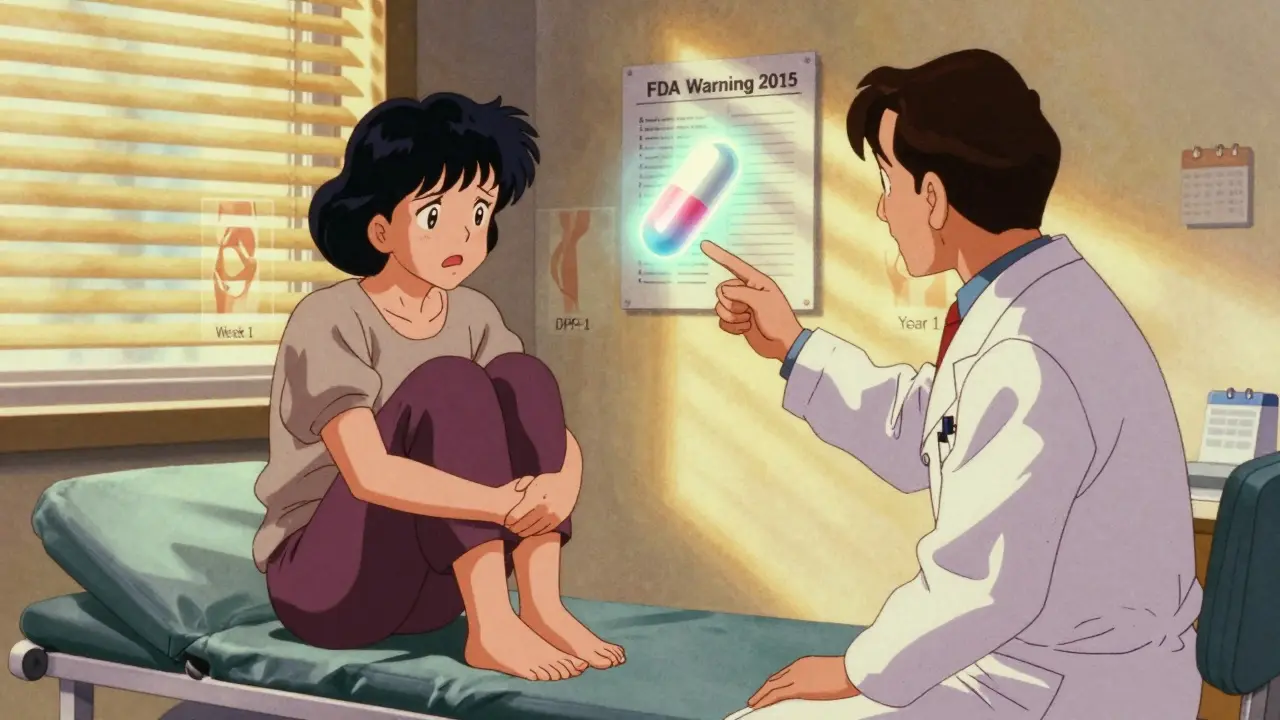
DPP-4 inhibitors help manage type 2 diabetes, but they can cause severe joint pain in rare cases. Learn the signs, timing, and what to do if you're affected.
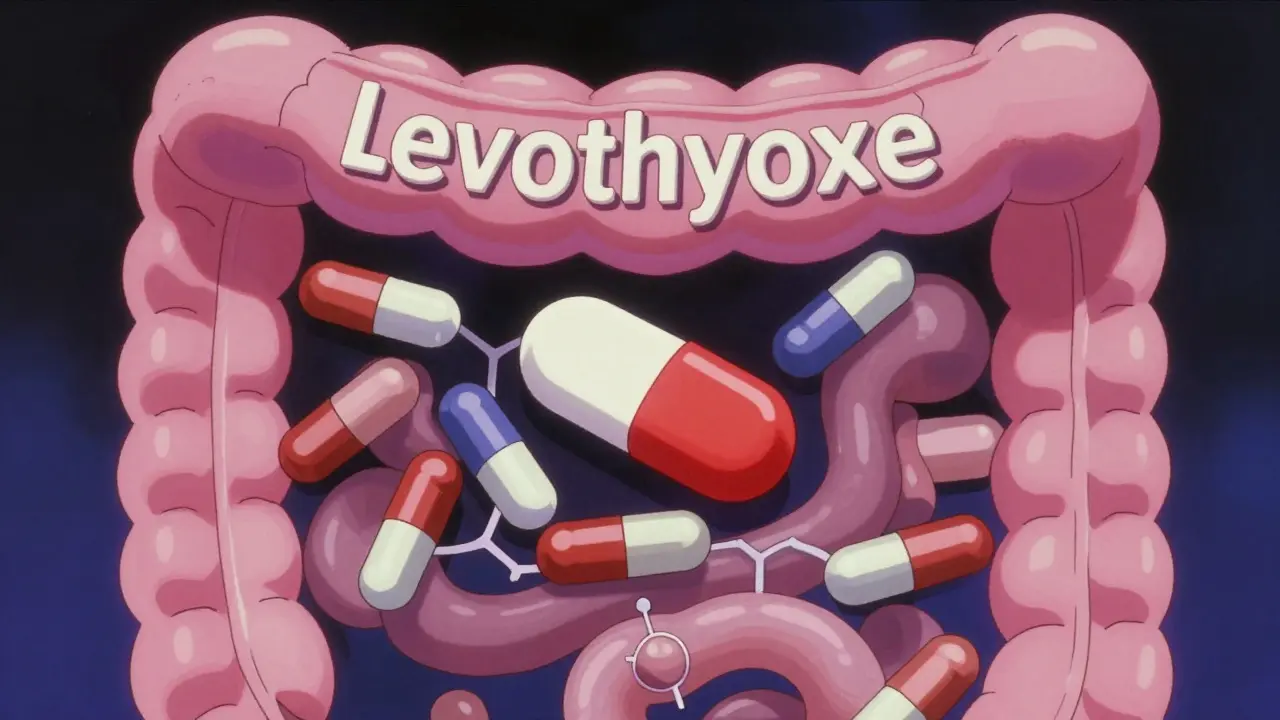
Calcium and iron supplements can drastically reduce the effectiveness of thyroid medications like levothyroxine. Learn how these interactions happen, the recommended timing to avoid them, and practical tips for managing your supplements safely. Proper timing can prevent symptoms of untreated hypothyroidism and reduce unnecessary healthcare costs.

India supplies 20% of global generic drugs by volume and 40% of U.S. prescriptions. Known as the pharmacy of the world, its affordable, FDA-approved medicines save lives worldwide - but face challenges like API dependence and quality consistency.
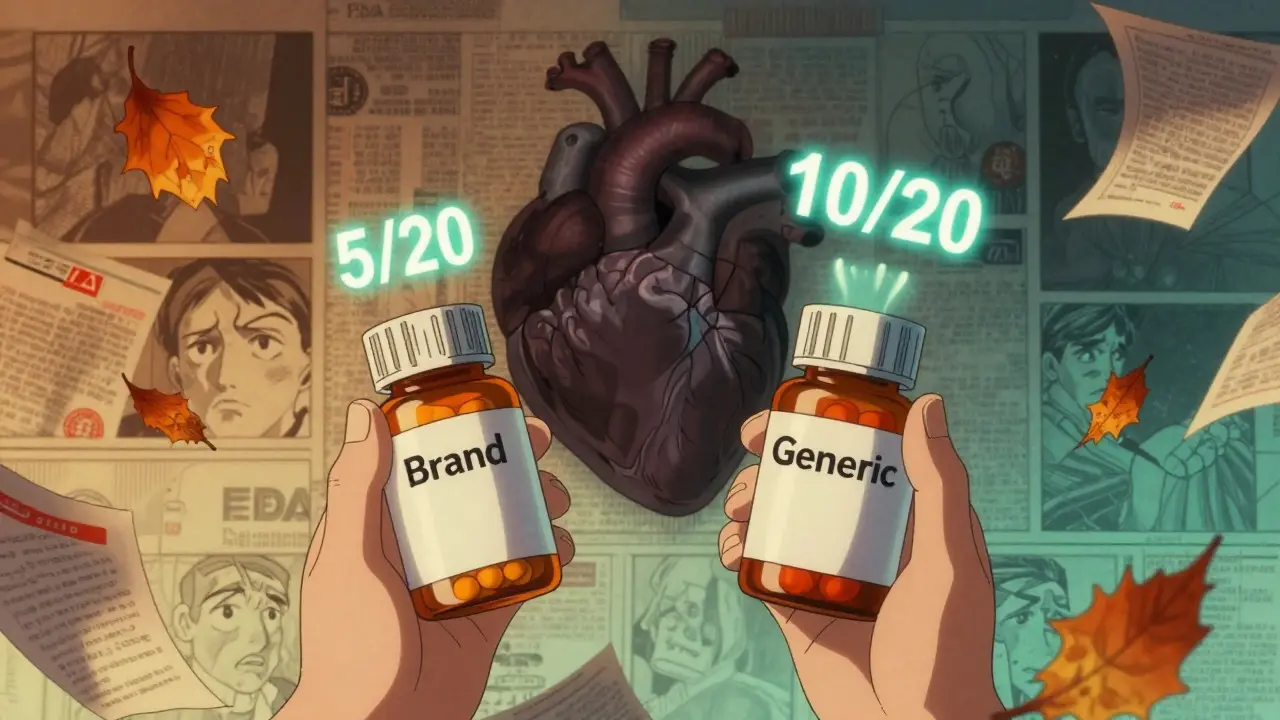
Managing therapeutic equivalence in combination drugs requires more than matching doses. Small formulation differences can change how drugs work together, especially with narrow therapeutic index medications. Learn the risks, real-world cases, and how to stay safe.

Learn how to search the FDA's Drugs@FDA database to find official drug approval records, labels, and review documents. A step-by-step guide for patients, pharmacists, and researchers.

Corticosteroids can trigger serious mood and behavioral changes, including psychosis, in up to 18% of users. Learn the signs, risks, and what to do if you or a loved one starts acting strangely on these common medications.

Corticosteroids like prednisone reduce inflammation but also weaken your immune system, increasing infection risk. Learn how dose and duration affect your risk, and what steps-like vaccines, screening, and prophylaxis-can protect you.
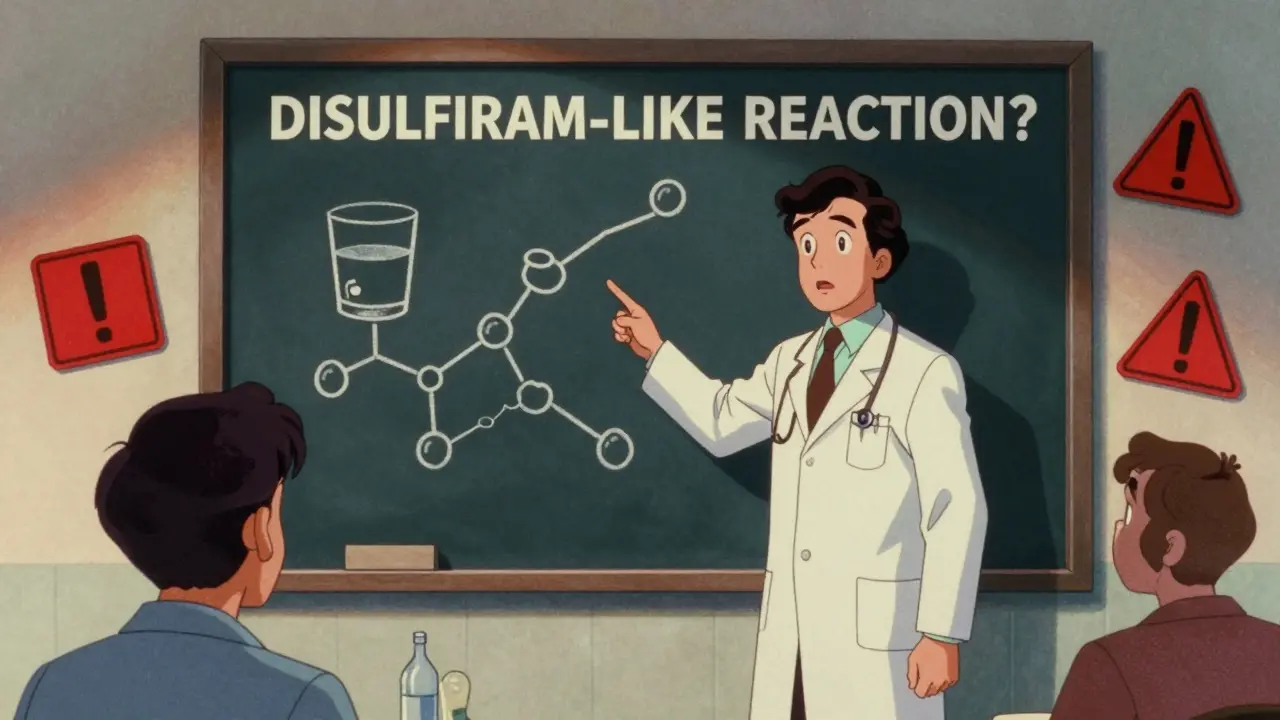
The long-standing warning to avoid alcohol with metronidazole is based on outdated science. New research shows no disulfiram-like reaction occurs. Learn the truth about the interaction, what really causes symptoms, and what you should actually do.