Dec 22, 2025
Safe Home Disposal of Chemotherapy Medications: Step-by-Step Guide for Patients and Caregivers
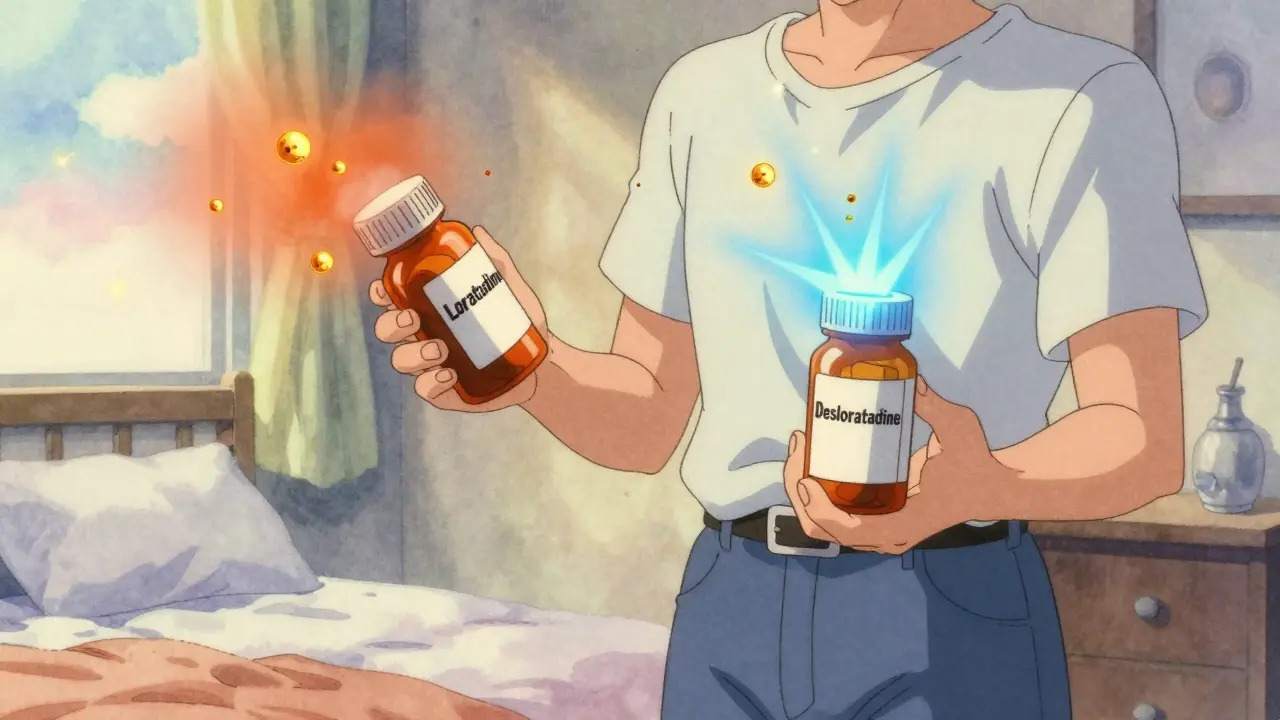
Desloratadine and loratadine are both non-sedating antihistamines for allergies. Desloratadine is more potent, has longer-lasting effects, and works better for nasal congestion - but costs more. Learn which one suits your needs.
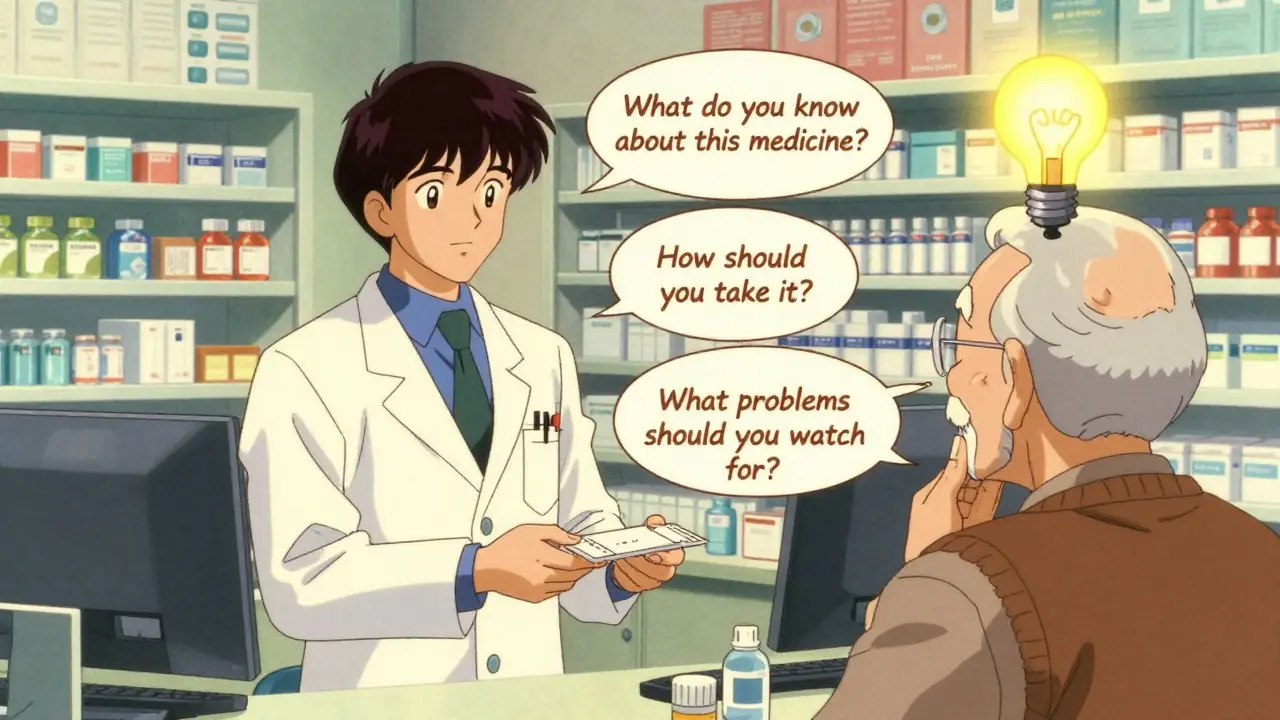
Pharmacist counseling scripts help ensure patients understand their medications safely and correctly. Learn the core three-question framework, how to adapt scripts for real-world use, and why structured communication improves adherence and saves lives.
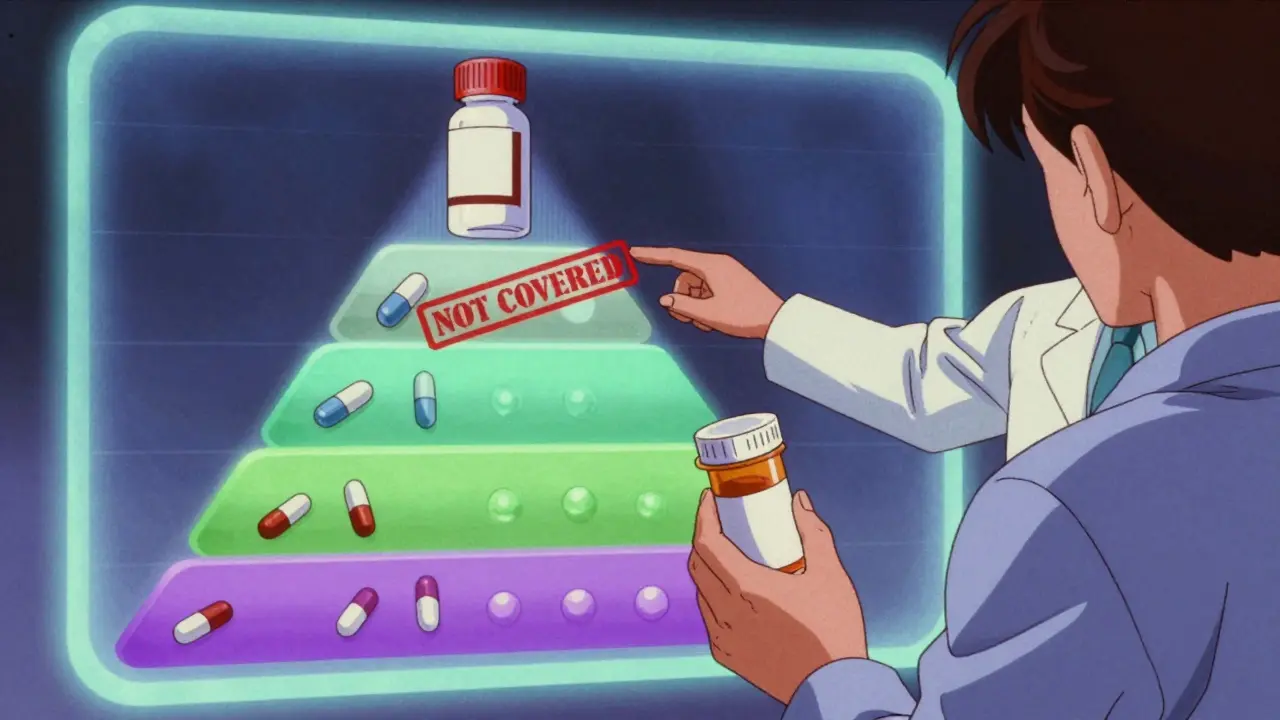
A drug formulary is your insurance plan's list of covered medications, organized into tiers that affect how much you pay. Learn how tiers work, what to do if your drug isn't listed, and how to avoid surprise costs.
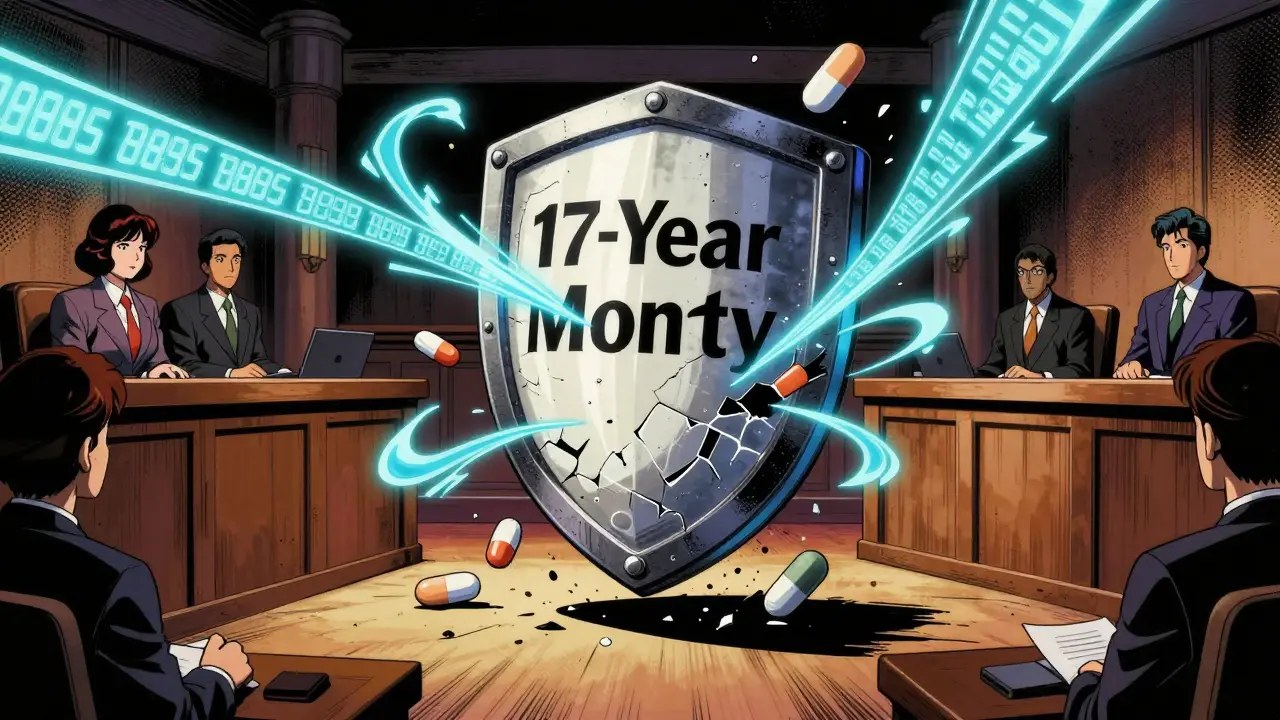
The Hatch-Waxman Act created the modern system for generic drugs in the U.S., balancing innovation and affordability. It let generics enter faster while giving brand companies patent extensions-saving billions but also opening the door to abuse.

Generic drugs make up 90% of U.S. prescriptions and save billions yearly. Learn how they're made-from reverse engineering brand-name drugs to FDA-approved manufacturing and bioequivalence testing-without clinical trials.
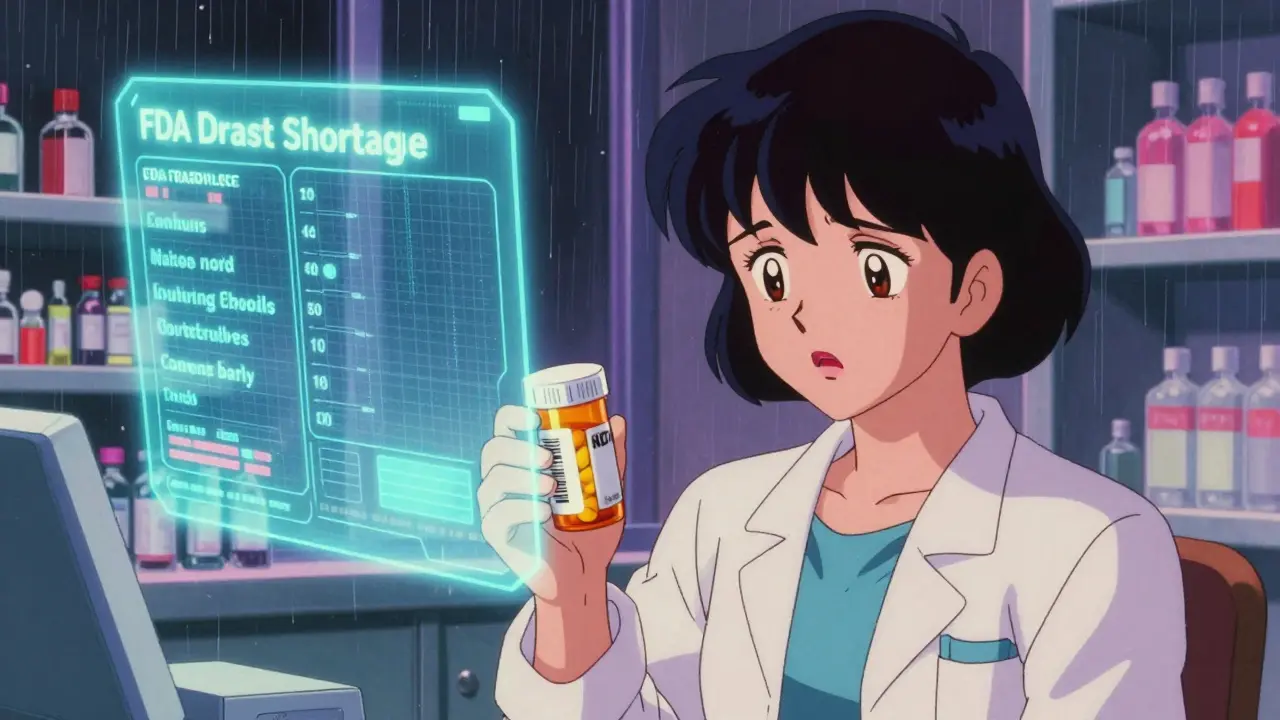
Learn how to use the FDA Drug Shortage Database to check if your medication is in short supply, why it’s happening, and when it might be available again. A practical guide for patients and providers.

Meclizine is a common treatment for vertigo, but it comes with strong side effects like drowsiness and dry mouth. Learn how it works, who should avoid it, and safer alternatives for long-term dizziness.
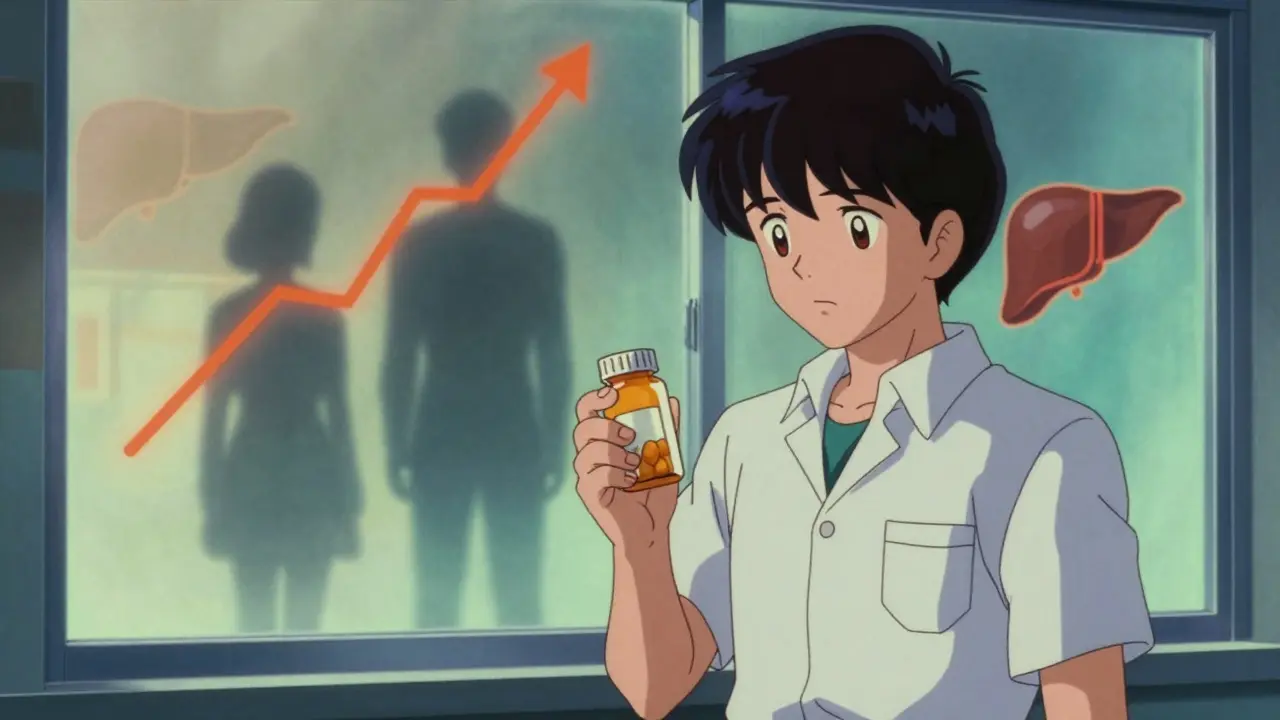
Antipsychotics can cause serious metabolic side effects like weight gain, diabetes, and heart disease. Learn which drugs carry the highest risks, what tests you need, and how to protect your health while staying stable.
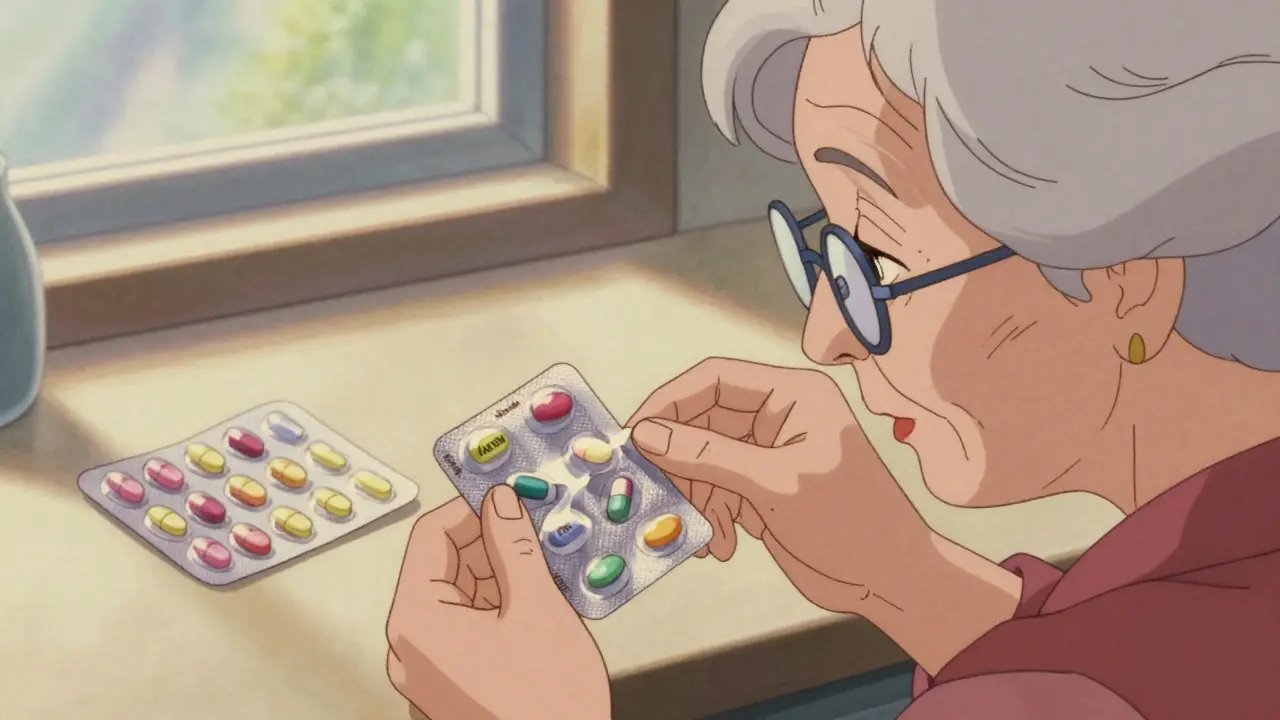
Blister packs and pill organizers cut medication errors by making doses visible and easy to follow. Learn how to use them correctly to prevent overdoses and missed doses, especially for seniors on multiple prescriptions.

Pravastatin is one of the safest statins for older adults, with fewer muscle side effects and drug interactions than other options. Learn how it works, what side effects to watch for, and when it's the best choice for seniors.