Jan 31, 2026
Colorectal Cancer Screening and Chemotherapy: What You Need to Know at 45 and Beyond
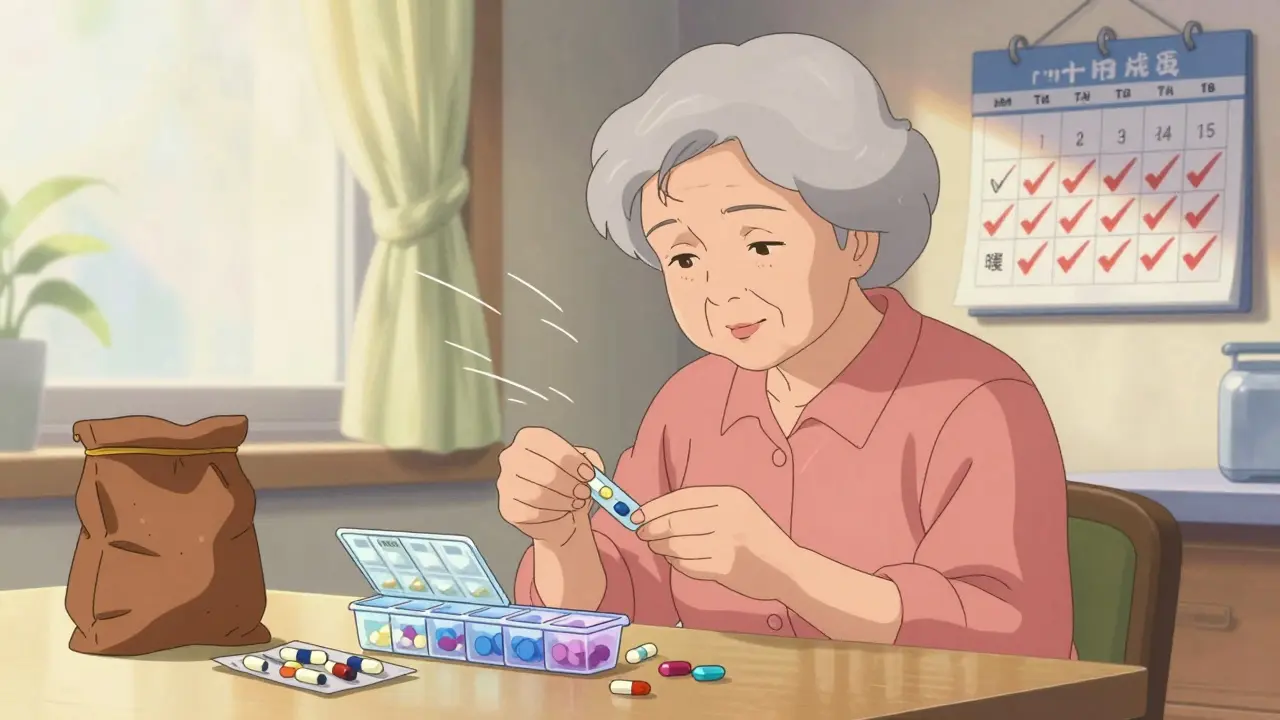
Learn how to build a safe, simple medication schedule that prevents dangerous drug interactions. Use proven methods like the Universal Medication Schedule, pill organizers, and pharmacist reviews to stay healthy and avoid hospital visits.
Complex generic drugs face major scientific and regulatory hurdles that make approval far harder than for simple generics. Despite high demand and patent expirations, few reach the market due to technical challenges, unclear FDA guidance, and high development costs.
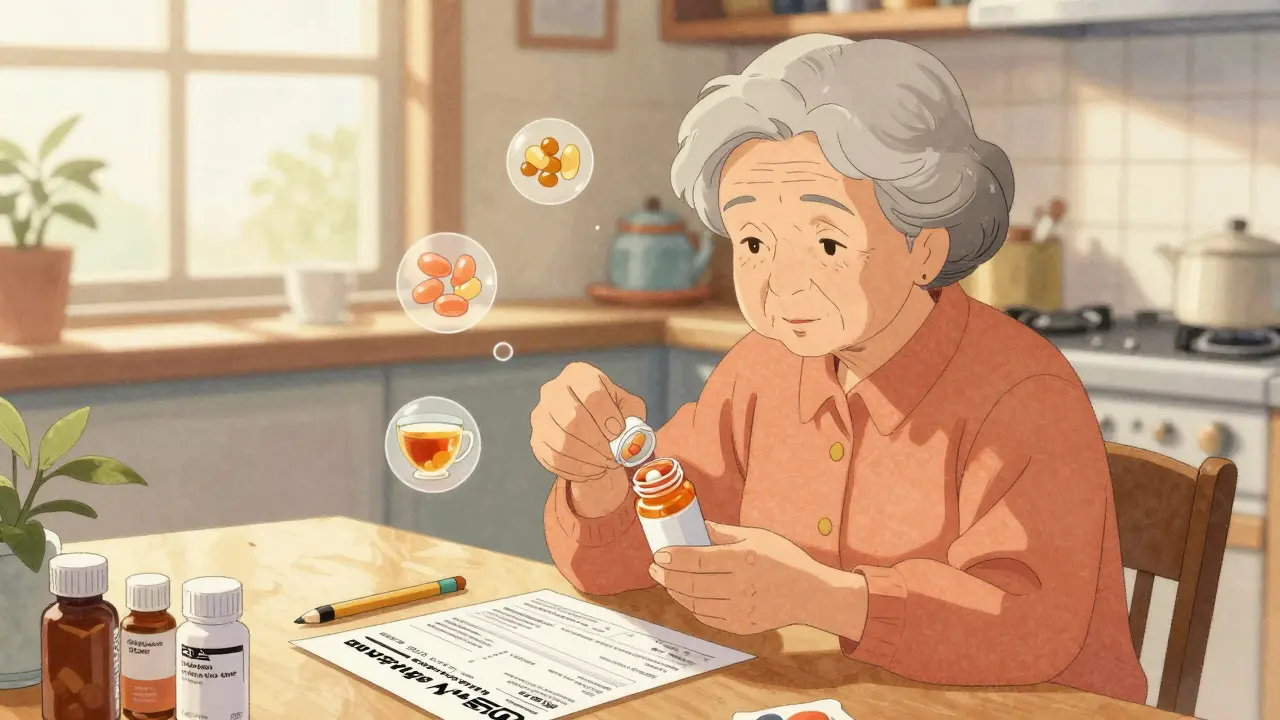
Keeping an accurate list of all your medications - including supplements and OTC drugs - can prevent dangerous interactions and save your life. Learn how to build, update, and use your list for safer care.

Chemotherapy remains a cornerstone of cancer treatment, but drug interactions can be dangerous. Learn how common medications, supplements, and genetics affect chemo safety and effectiveness.

Elderberry may help fight colds, but it can interfere with immunosuppressant drugs by boosting immune activity. If you're on medication for a transplant or autoimmune disease, taking elderberry could raise your risk of rejection or flare-ups.
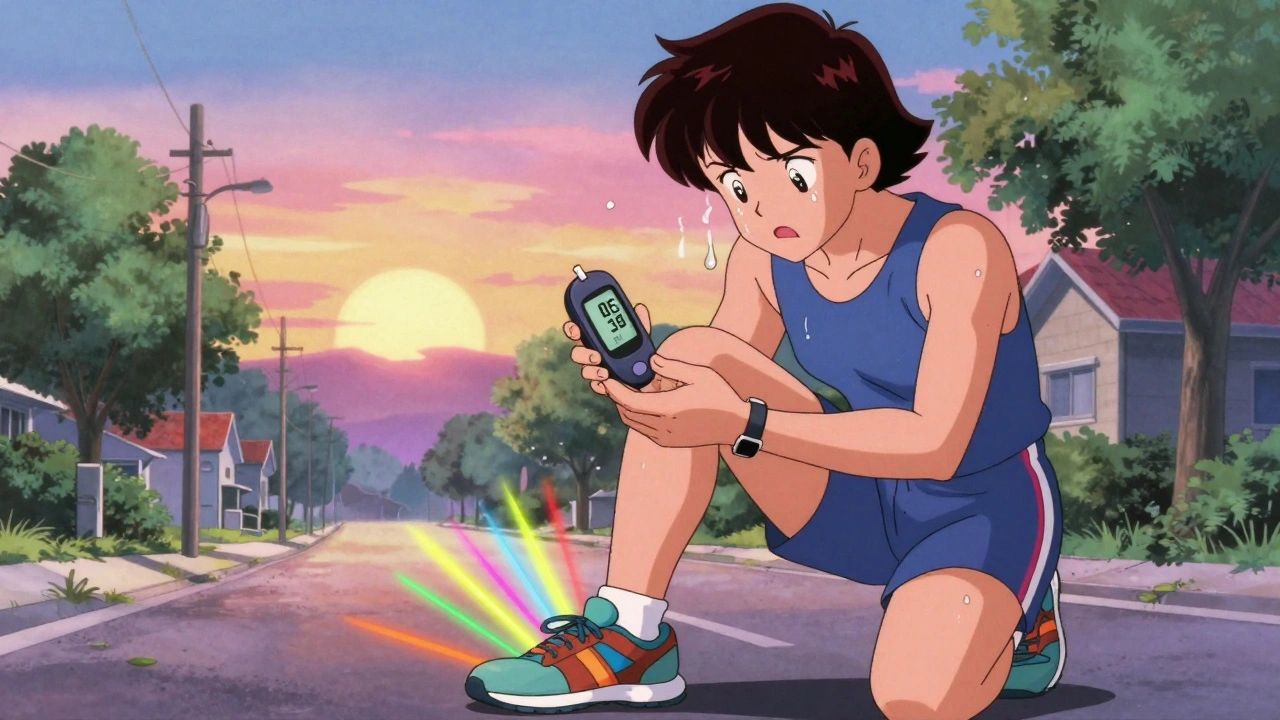
Learn how to prevent low blood sugar during workouts with diabetes. Discover the best exercises, timing tips, carb strategies, and tech tools to move safely and confidently.
Counterfeit medications are a global health threat, killing thousands each year. Learn how to spot fake pills, avoid dangerous online pharmacies, and protect yourself from life-threatening scams.
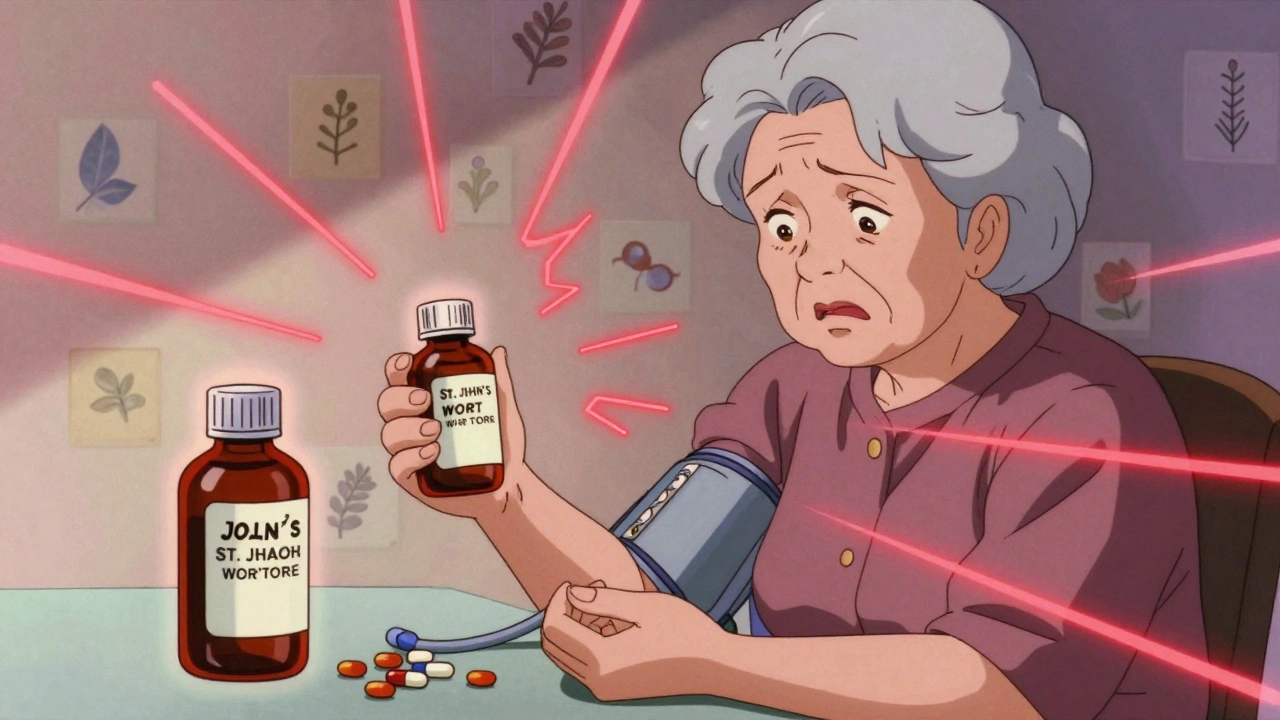
Many supplements can dangerously interact with medications, reducing their effectiveness or causing life-threatening side effects. Learn which ones to avoid, how to check for risks, and what steps to take before taking any supplement with your prescriptions.

Discover how much money the U.S. saves each year thanks to FDA-approved generic drugs, with a detailed year-by-year breakdown of savings from new approvals and total market impact.
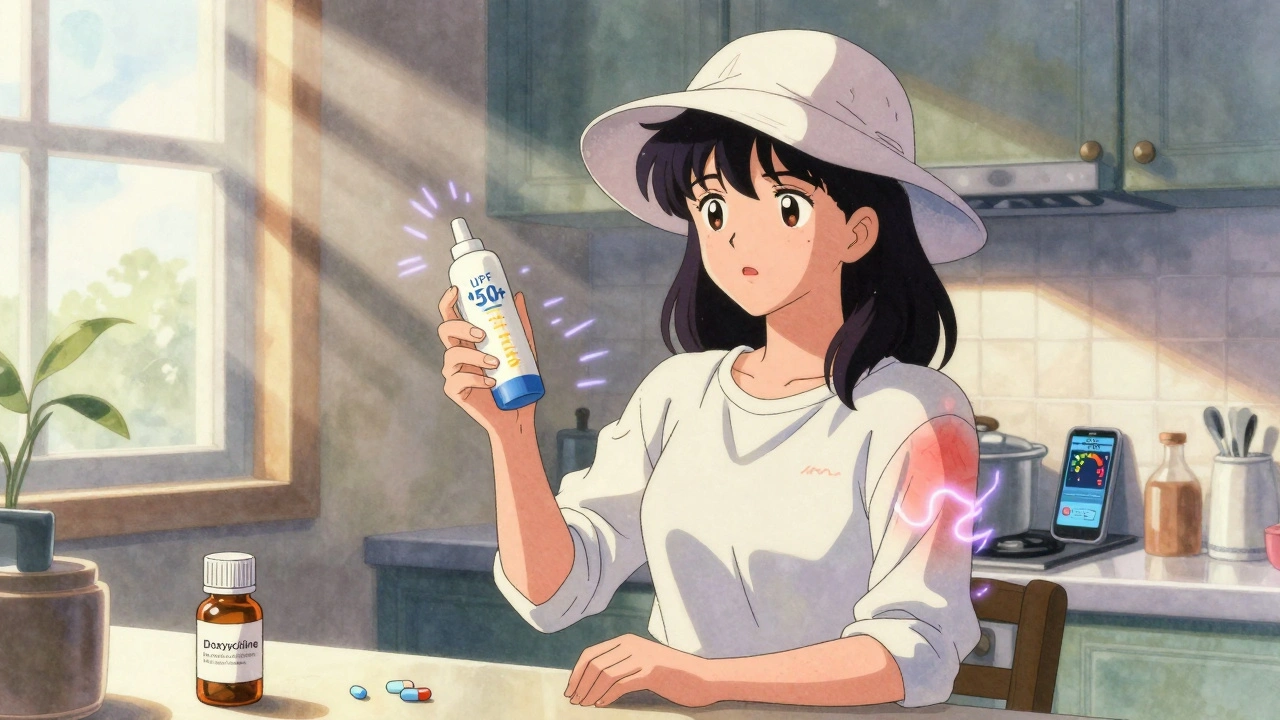
Many common medications increase sun sensitivity, leading to severe burns or long-term skin damage. Learn which drugs cause photosensitivity, how to protect your skin, and why regular sunscreen often isn't enough.