Jan 10, 2026
How to Check FDA Drug Shortage Database for Medication Availability
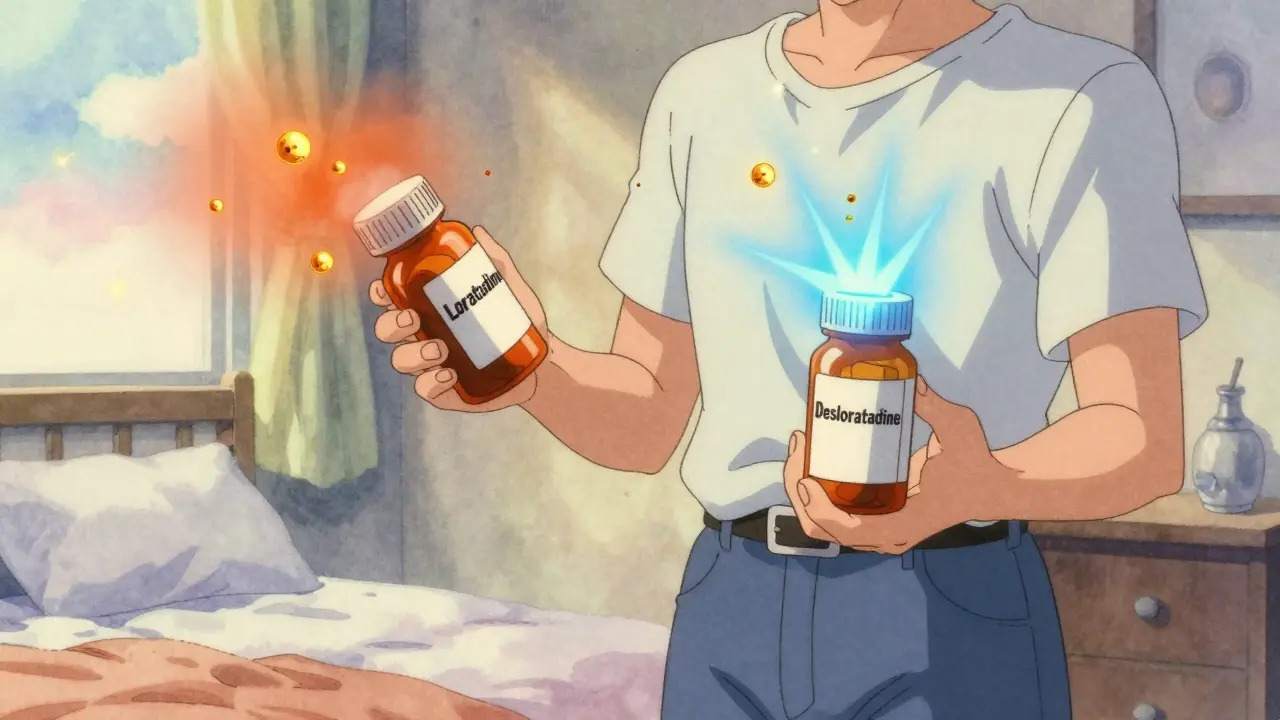
Desloratadine and loratadine are both non-sedating antihistamines for allergies. Desloratadine is more potent, has longer-lasting effects, and works better for nasal congestion - but costs more. Learn which one suits your needs.
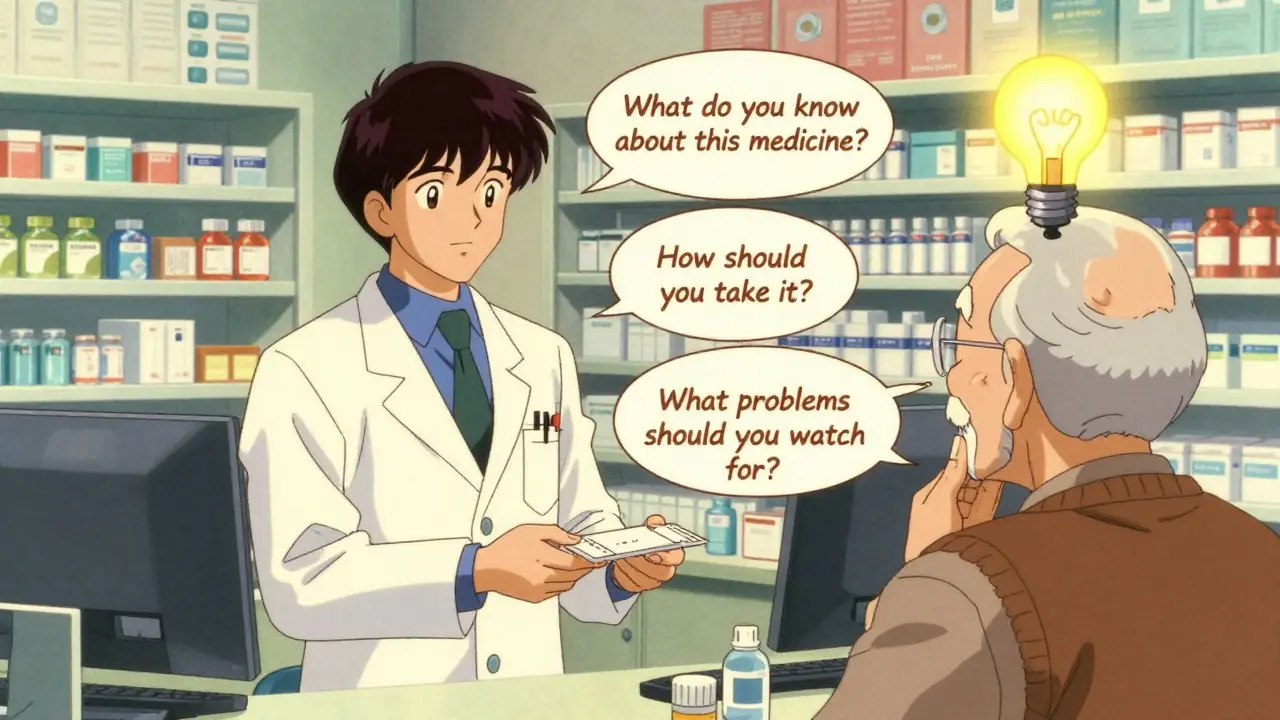
Pharmacist counseling scripts help ensure patients understand their medications safely and correctly. Learn the core three-question framework, how to adapt scripts for real-world use, and why structured communication improves adherence and saves lives.
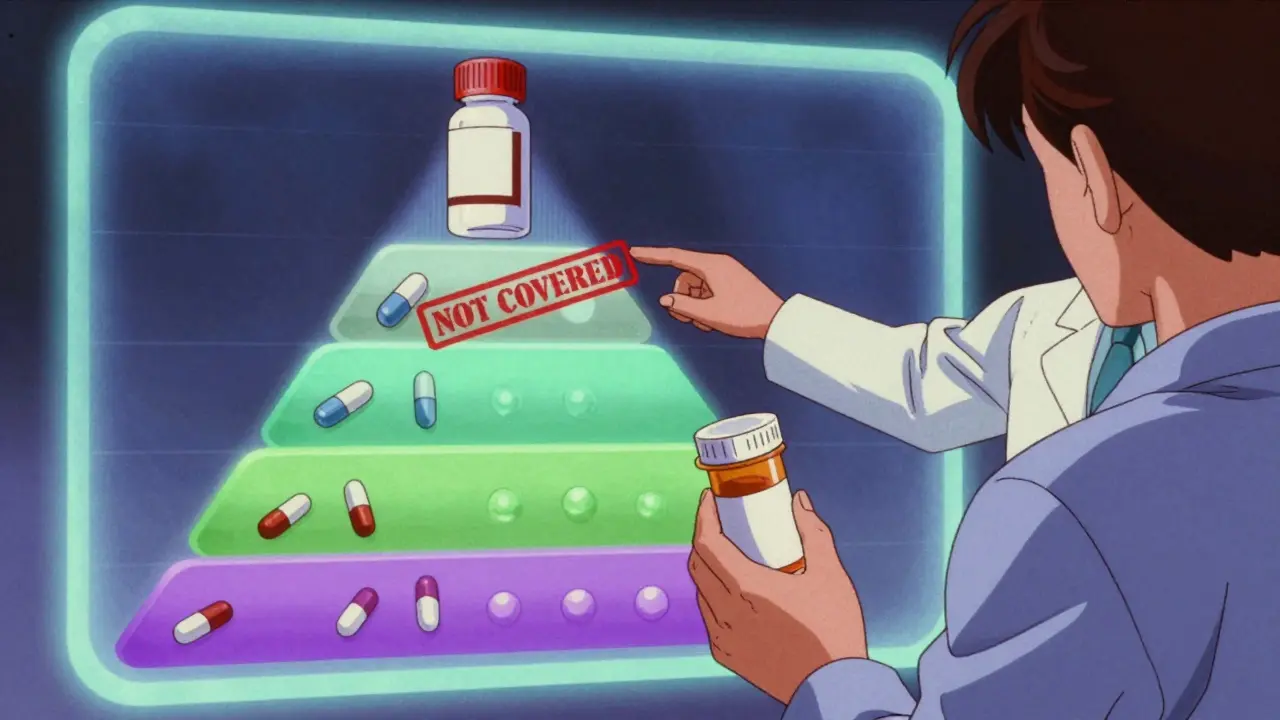
A drug formulary is your insurance plan's list of covered medications, organized into tiers that affect how much you pay. Learn how tiers work, what to do if your drug isn't listed, and how to avoid surprise costs.
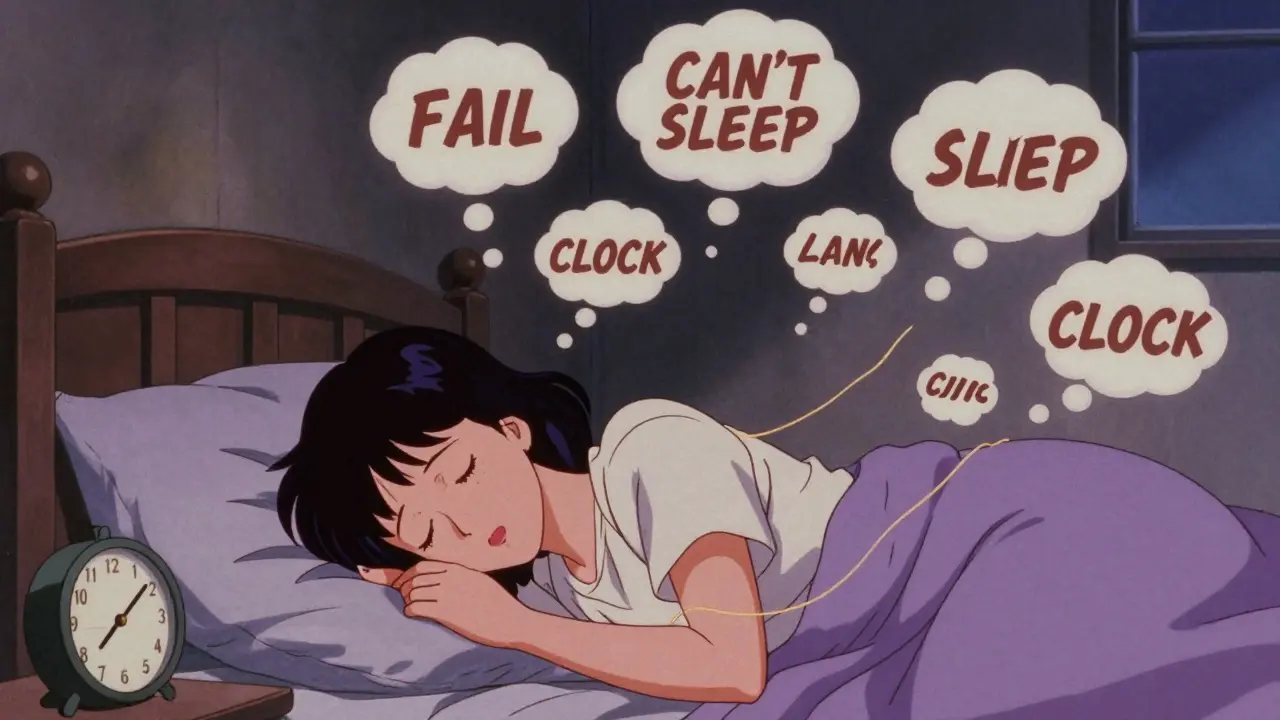
Discover how CBT-I-evidence-based, drug-free sleep therapy-can fix chronic insomnia by changing your habits, not your chemistry. Proven to work better than pills over time.
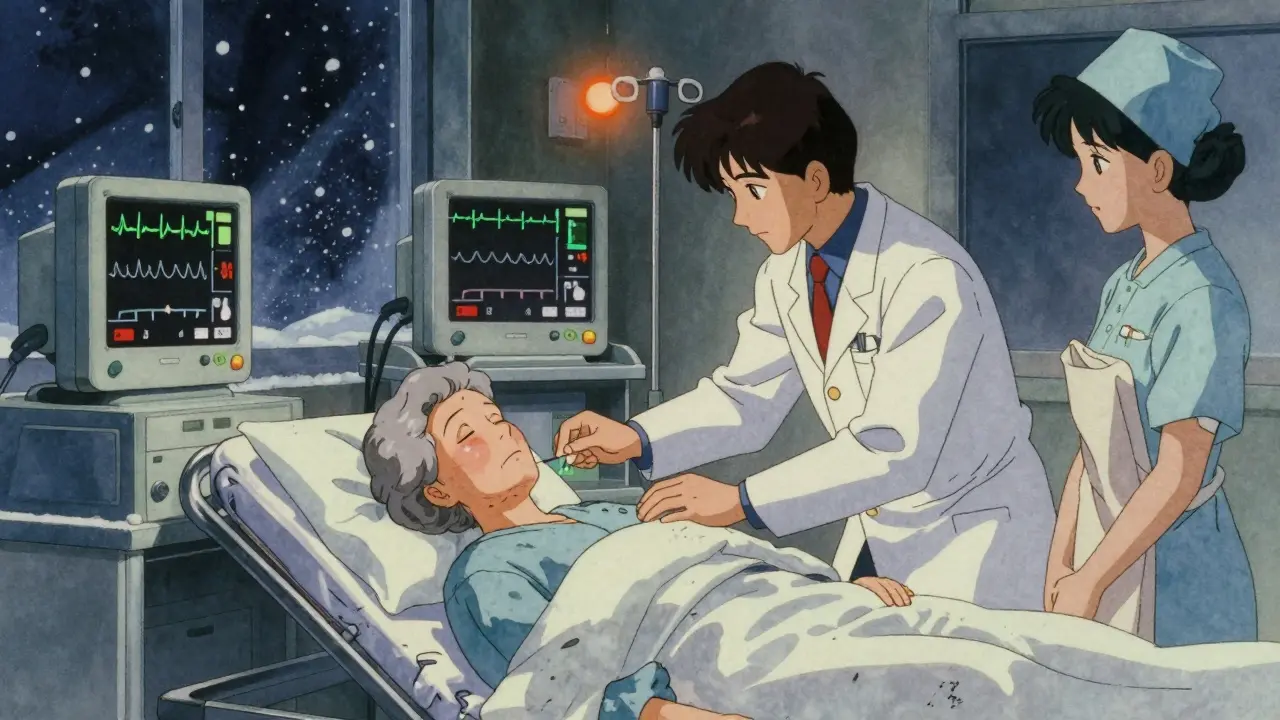
Myxedema coma is a rare but deadly complication of untreated hypothyroidism, causing hypothermia, confusion, and organ failure. Immediate IV thyroid hormone and infection control are critical. Delayed treatment increases death risk by 10% per hour.
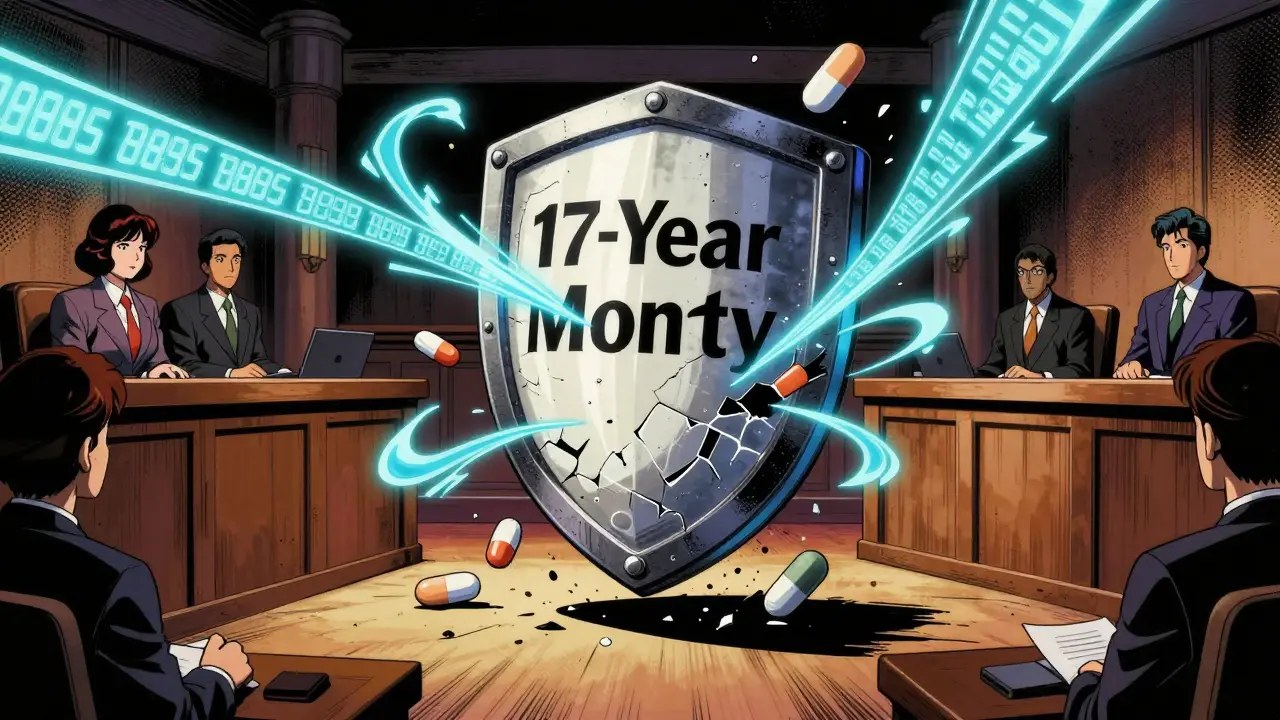
The Hatch-Waxman Act created the modern system for generic drugs in the U.S., balancing innovation and affordability. It let generics enter faster while giving brand companies patent extensions-saving billions but also opening the door to abuse.
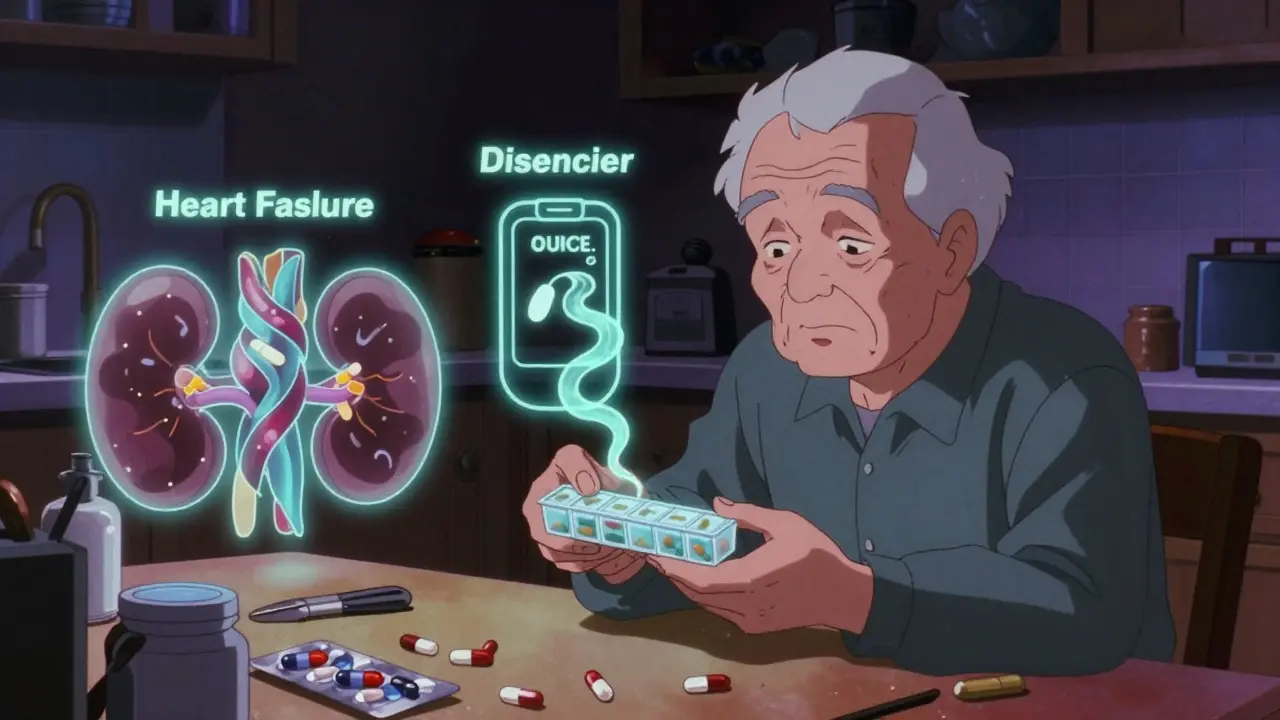
Drug-disease interactions occur when medications for one condition worsen another health issue. Learn how common conditions like kidney disease, heart failure, and diabetes can turn everyday drugs dangerous-and what you can do to stay safe.
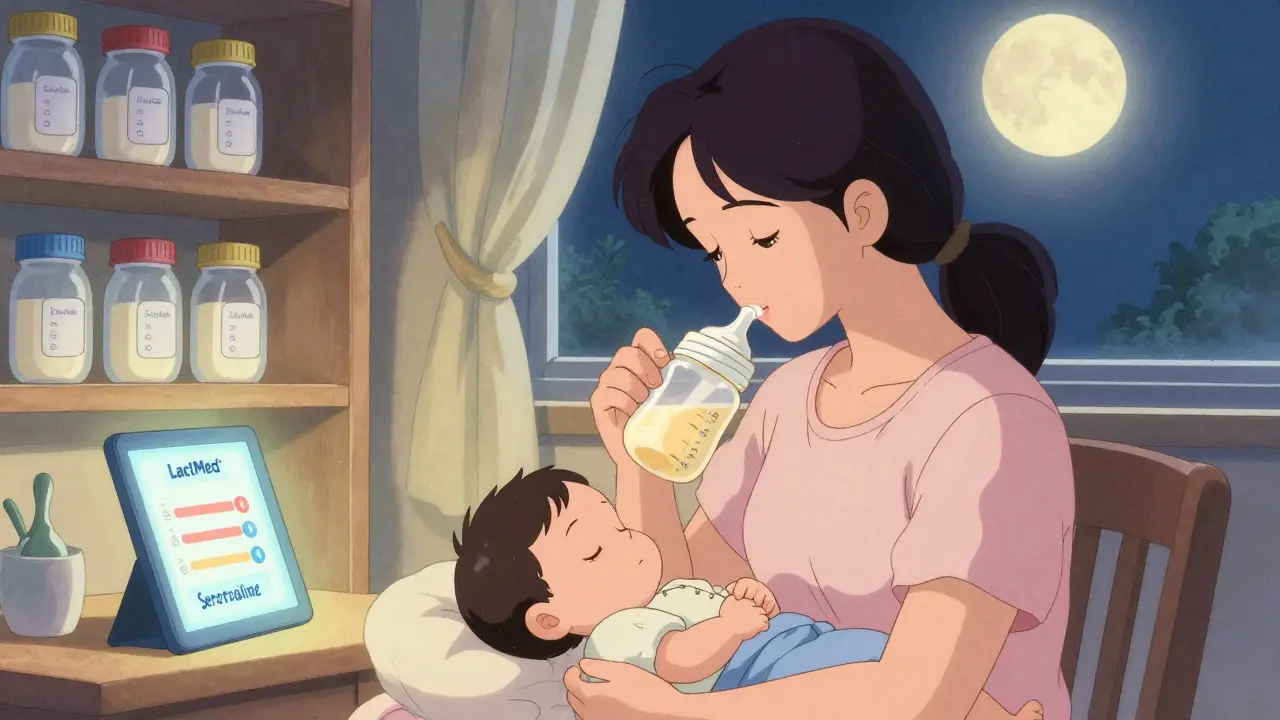
Most medications are safe while breastfeeding. Learn when to pump and dump, how timing reduces baby's exposure, and which drugs actually require caution-backed by the latest medical guidelines.
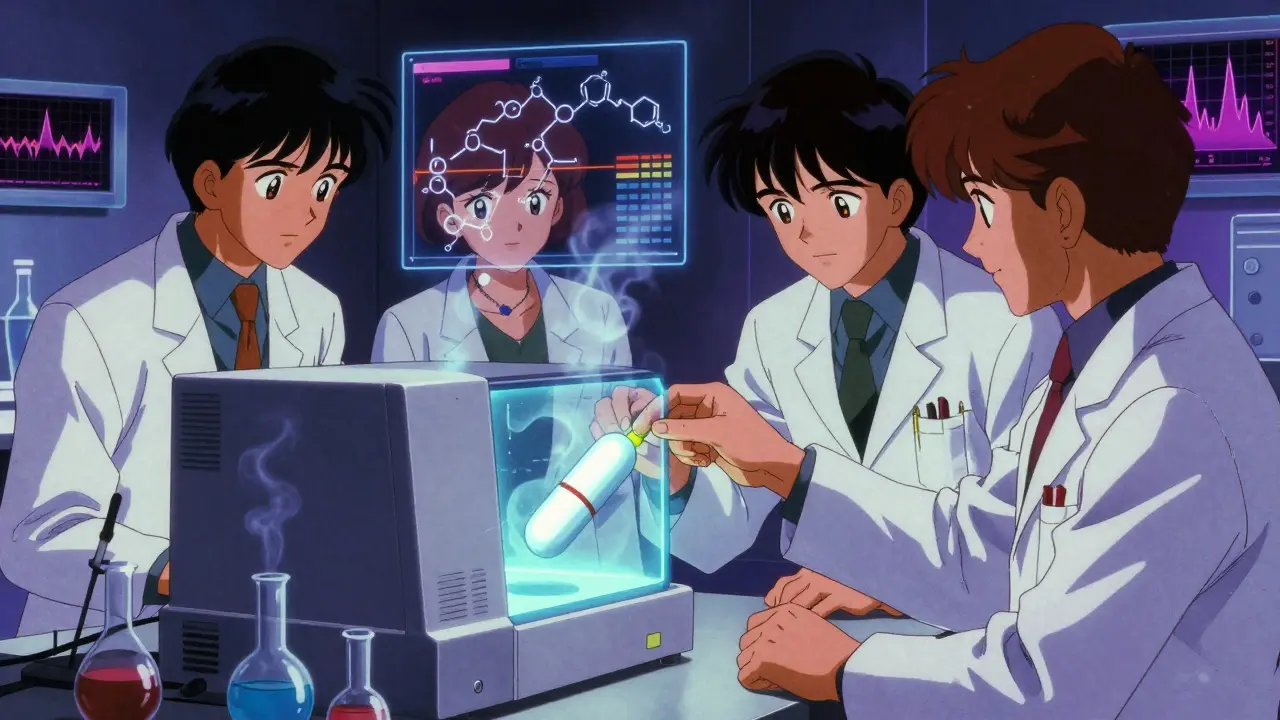
Generic drugs make up 90% of U.S. prescriptions and save billions yearly. Learn how they're made-from reverse engineering brand-name drugs to FDA-approved manufacturing and bioequivalence testing-without clinical trials.
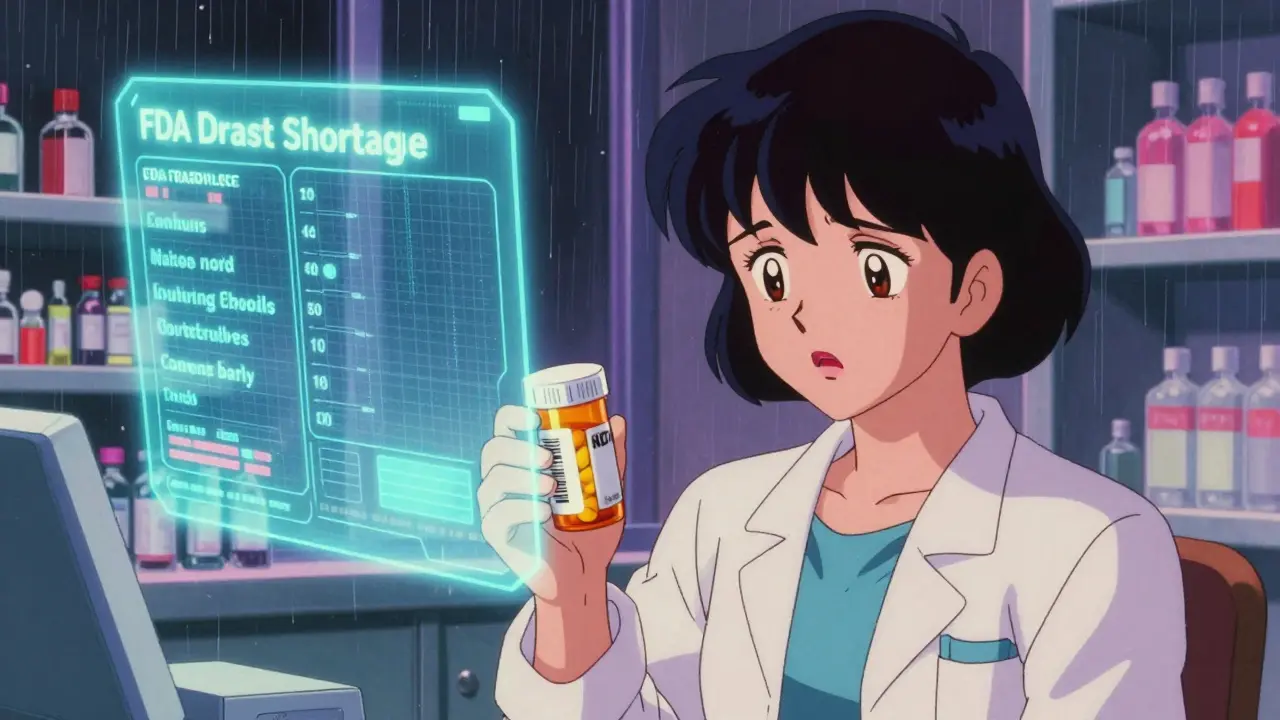
Learn how to use the FDA Drug Shortage Database to check if your medication is in short supply, why it’s happening, and when it might be available again. A practical guide for patients and providers.