
Jun 18, 2023
The Psychology of Vomiting: How Nausea and Vomiting Can Impact Mental Health

Colorectal cancer screening now starts at age 45. Learn how colonoscopy prevents cancer, what chemotherapy regimens are used, and why early detection saves lives. Updated for 2026.
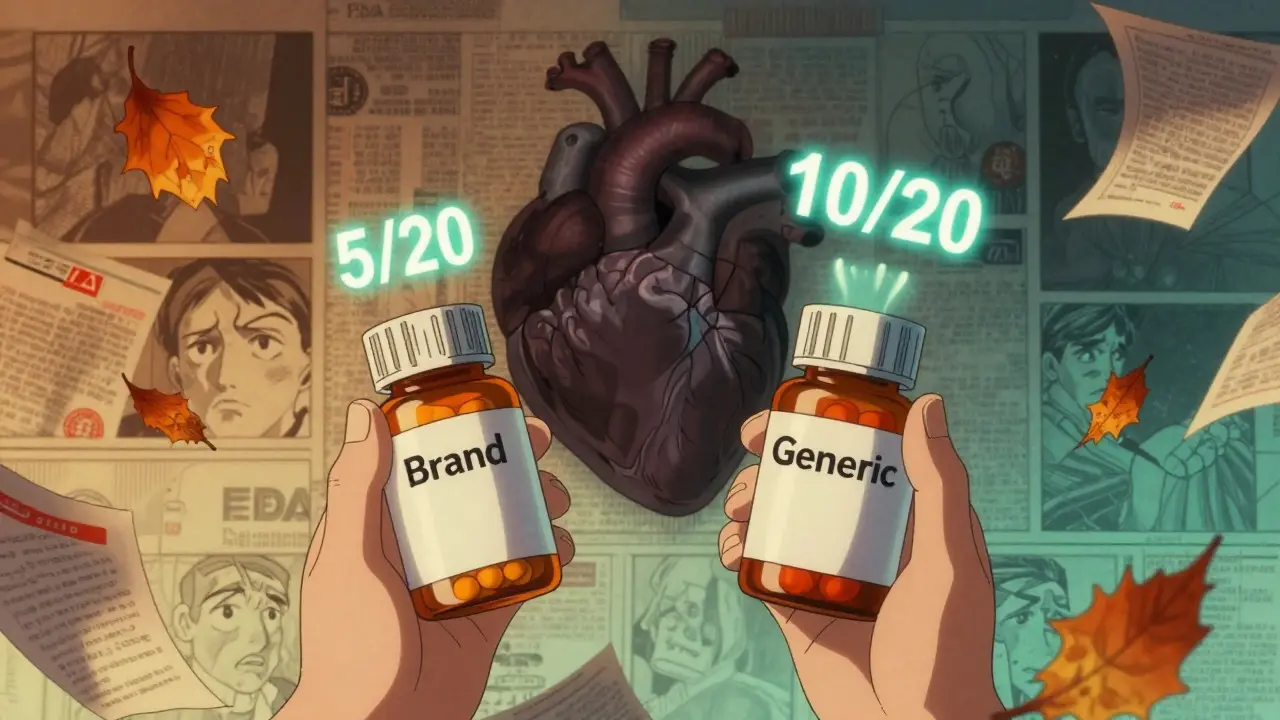
Managing therapeutic equivalence in combination drugs requires more than matching doses. Small formulation differences can change how drugs work together, especially with narrow therapeutic index medications. Learn the risks, real-world cases, and how to stay safe.

Learn how to search the FDA's Drugs@FDA database to find official drug approval records, labels, and review documents. A step-by-step guide for patients, pharmacists, and researchers.

Corticosteroids can trigger serious mood and behavioral changes, including psychosis, in up to 18% of users. Learn the signs, risks, and what to do if you or a loved one starts acting strangely on these common medications.

Medication-induced delirium in older adults is sudden, dangerous, and often preventable. Learn the warning signs, the high-risk drugs to avoid, and how families can protect loved ones from this silent crisis.

Corticosteroids like prednisone reduce inflammation but also weaken your immune system, increasing infection risk. Learn how dose and duration affect your risk, and what steps-like vaccines, screening, and prophylaxis-can protect you.

Congress is considering two bills to tackle drug and healthcare provider shortages, but both are stalled by a government shutdown. Here’s what S.2665 and H.R.1160 aim to do-and why progress is frozen.

Perimenopause can trigger intense mood swings due to hormonal fluctuations. Learn how estrogen and progesterone changes affect your brain, what treatments actually work, and how to find the right support.

Discover proven, evidence-backed ways to cut medication costs without risking patient safety. From pharmacist-led care to generic drugs and SBAR communication, learn how hospitals are saving millions while preventing errors.
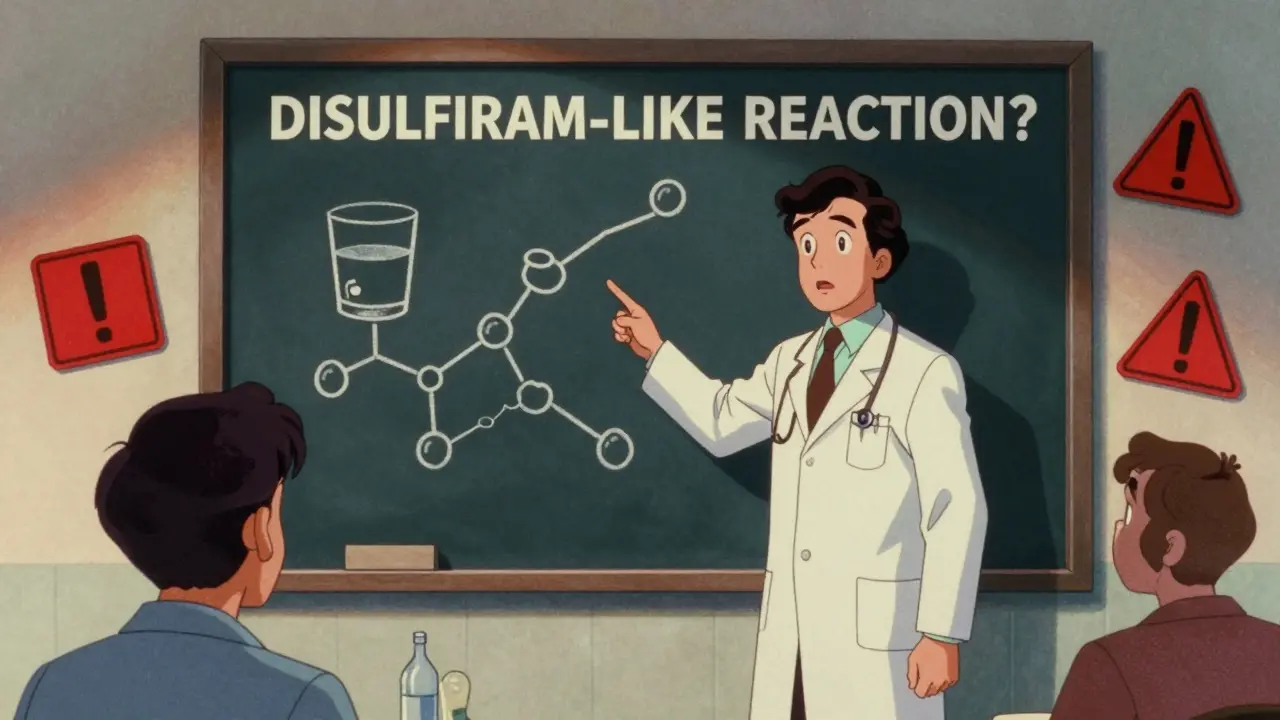
The long-standing warning to avoid alcohol with metronidazole is based on outdated science. New research shows no disulfiram-like reaction occurs. Learn the truth about the interaction, what really causes symptoms, and what you should actually do.