Dec 2, 2025
Neurological Red Flags: When Headaches Require Immediate Medical Attention
When you pick up a generic pill at the pharmacy, you’re seeing the result of a law passed in 1984 called the Hatch-Waxman Act, a U.S. law that balanced drug innovation with affordable access by creating a faster path for generic drugs to enter the market. Also known as the Drug Price Competition and Patent Term Restoration Act, it’s the reason you can buy the same medicine as a brand-name drug for a fraction of the cost. Before this law, generic makers had to repeat expensive clinical trials just to prove their version worked — even if the original drug had already been proven safe. That made generics rare and expensive. Hatch-Waxman changed that by letting generic companies prove their drug is the same as the brand-name one through simpler tests — no need to redo human trials. That’s how we got affordable versions of medicines for diabetes, thyroid conditions, and high blood pressure today.
The law also gave brand-name drug companies something in return: extra patent time. If a company spent years testing a new drug and only had five years of patent life left when it got FDA approval, Hatch-Waxman could add up to five more years of market exclusivity. This kept innovators motivated to develop new drugs. But here’s the catch — the law also created a way for generic makers to challenge weak patents. If a generic company believed a patent was being misused to block competition, they could file a legal notice called an ANDA with a patent challenge. That’s why you see so many generic versions of drugs like sildenafil or tadalafil appear after the original patent expires. It’s not luck — it’s the Hatch-Waxman Act in action.
Today, over 90% of prescriptions in the U.S. are filled with generics — and the Hatch-Waxman Act is why. It directly connects to how the FDA inspects foreign factories making these generics, how stability testing ensures they last, and why biosimilars now follow similar approval paths. You’ll find posts here about how the FDA oversees foreign manufacturing, how stability testing proves generics stay effective, and how biosimilar rules evolved from this same framework. This law didn’t just lower prices — it reshaped the entire drug supply chain. Whether you’re taking levothyroxine, metformin, or azithromycin, the fact that you can afford it today is thanks to this one piece of legislation. Below, you’ll see how this law plays out in real-world drug access, safety, and competition — from painkillers to antidepressants to antibiotics.
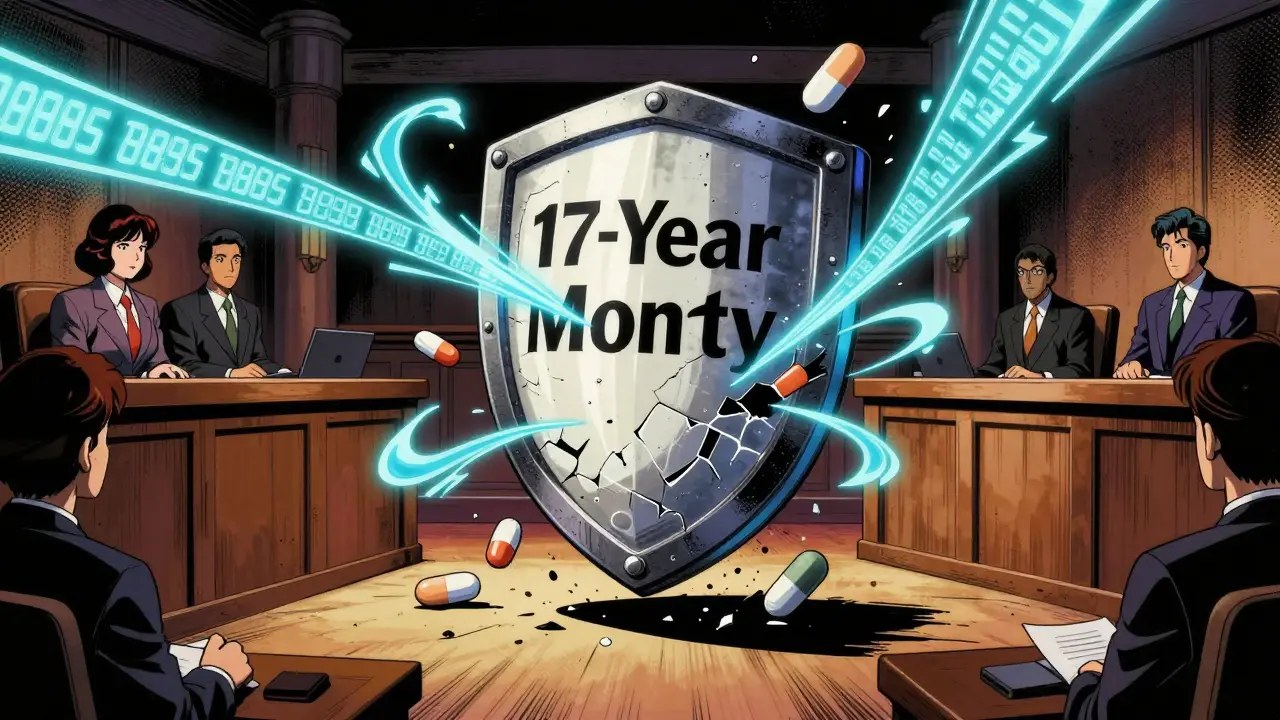
The Hatch-Waxman Act created the modern system for generic drugs in the U.S., balancing innovation and affordability. It let generics enter faster while giving brand companies patent extensions-saving billions but also opening the door to abuse.

Generic drug exclusivity periods vary widely across countries, affecting drug prices and access. Learn how the U.S., EU, Canada, and others regulate generic entry and why these rules matter for patients and healthcare systems.