Mar 3, 2026
Oral Corticosteroid Burden in Severe Asthma: Effective Alternatives
When you or someone you know has a bad reaction to a medication, FDA reporting, the official system used in the U.S. to collect information on harmful drug reactions. Also known as MedWatch, it’s how patients, doctors, and pharmacists help the government track dangerous drugs before they cause widespread harm. This isn’t just paperwork—it’s a lifeline. Every report you file adds to a real-time safety net that can lead to drug recalls, warning labels, or even new safety rules.
FDA reporting isn’t just for doctors. You don’t need a medical degree to file one. If you took a new pill and ended up in the ER, had a rash that wouldn’t go away, or noticed your heart racing after starting a new medicine, that’s exactly what this system was built for. The FDA doesn’t just rely on clinical trials—they rely on real people in real life. That’s why posts on this page cover everything from medication side effects, unexpected reactions to prescription and over-the-counter drugs to how FDA inspections, unannounced checks on drug factories, both domestic and overseas, to ensure quality and safety connect to the reports you file. When a pattern shows up in hundreds of reports—like a generic antibiotic causing liver damage—the FDA acts. That’s how drugs get black box warnings or pulled from shelves.
What you’ll find here isn’t theory. It’s what real patients and caregivers have learned. You’ll read about how to spot when a side effect is serious enough to report, how mail-order pharmacies handle generic drugs safely, and why timing your antacids with antibiotics matters more than you think. There are guides on how to track global alerts, what to do when your thyroid medication changes brands, and how biosimilars get approved without cutting corners. These aren’t random articles—they’re all tied together by one thing: FDA reporting is the quiet engine behind drug safety in America. The more people report, the safer the system becomes. And if you’ve ever wondered whether your reaction was "just bad luck" or something the FDA should know about, the answer is simple: report it. The posts below give you the tools to do it right—and understand why it matters.
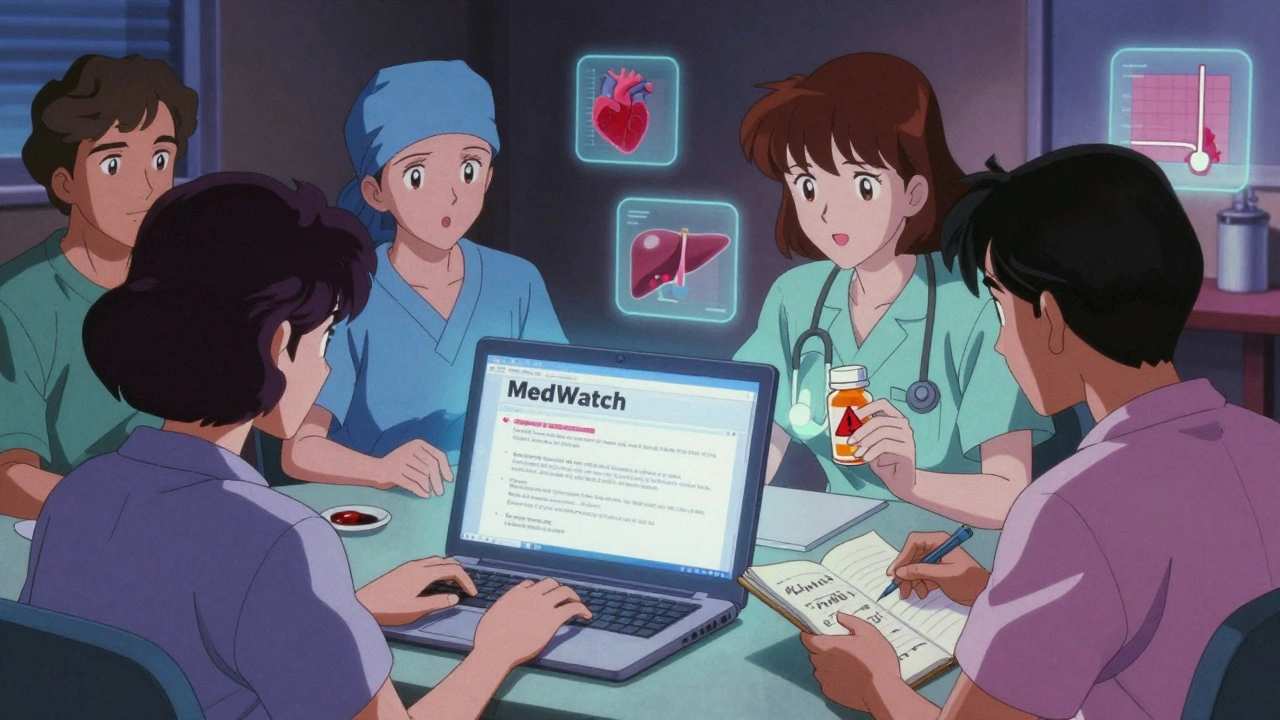
Learn how to report a suspected adverse drug reaction to the FDA using MedWatch. Step-by-step guide for patients, caregivers, and providers on what to report, how to submit, and why it matters for drug safety.