Nov 19, 2025
Five Medication Safety Tips for Seniors and Caregivers
When you take safe supplements with drugs, combining dietary supplements and prescription medications without knowing the risks can lead to serious health problems. Also known as drug-supplement interactions, these mix-ups happen more often than you think—especially when people assume natural means harmless. The truth is, supplements aren’t regulated like drugs, and many can change how your body processes medication—making it too strong, too weak, or even toxic.
Take warfarin, a blood thinner that requires precise dosing and is sensitive to diet and supplements. Vitamin K, green tea, or even garlic supplements can throw off its effect, increasing your risk of clotting or bleeding. Or consider antibiotics like doxycycline, which lose up to 90% of their power when taken with calcium-rich supplements or antacids. These aren’t rare cases—they’re documented, preventable mistakes. Even something as simple as St. John’s Wort, often used for mood support, can interfere with antidepressants, birth control, and heart meds by speeding up how fast your liver breaks them down.
It’s not just about avoiding bad combos. Some supplements actually help when used right. Magnesium can ease muscle cramps caused by certain diuretics. Coenzyme Q10 may reduce statin-related muscle pain. But you can’t guess your way to safety. Every interaction depends on your meds, your dose, your health, and even your genetics—like how your CYP2C9 gene affects warfarin. That’s why knowing your exact drug list matters more than any online forum.
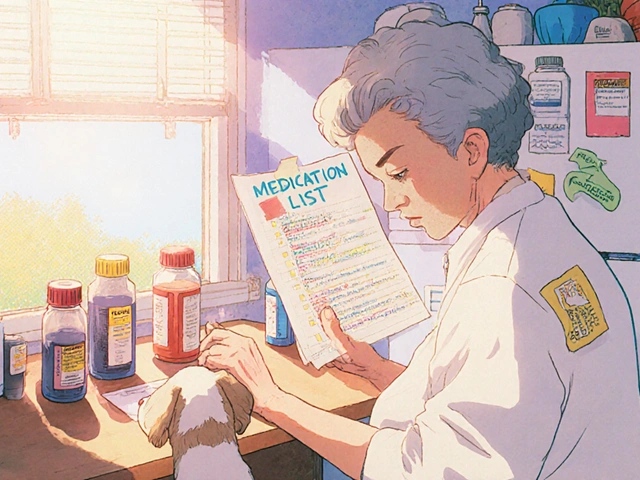
There’s no universal list of "safe" supplements because safety changes based on what you’re already taking. A supplement that’s fine with your blood pressure pill might be dangerous with your thyroid med. That’s why the best move isn’t to avoid supplements entirely—it’s to ask the right questions before you start one. Talk to your pharmacist. Bring your bottle to your doctor. Check if your meds are on the list of drugs that react badly to common herbs. Don’t rely on labels that say "natural" or "pure." Those words don’t mean safe with your prescription.
What you’ll find below are real, practical guides from people who’ve been there—whether it’s how to time your antacids so your antibiotics still work, why your antihistamine seems weaker after months, or how to spot when a supplement is quietly messing with your meds. These aren’t theories. They’re based on FDA reports, clinical studies, and patient experiences. You’ll learn how to read between the lines of drug labels, what red flags to watch for, and how to protect yourself without giving up the supplements you rely on. This isn’t about fear—it’s about control. Know what’s in your body. Know what it’s doing. And don’t let hidden interactions sneak up on you.
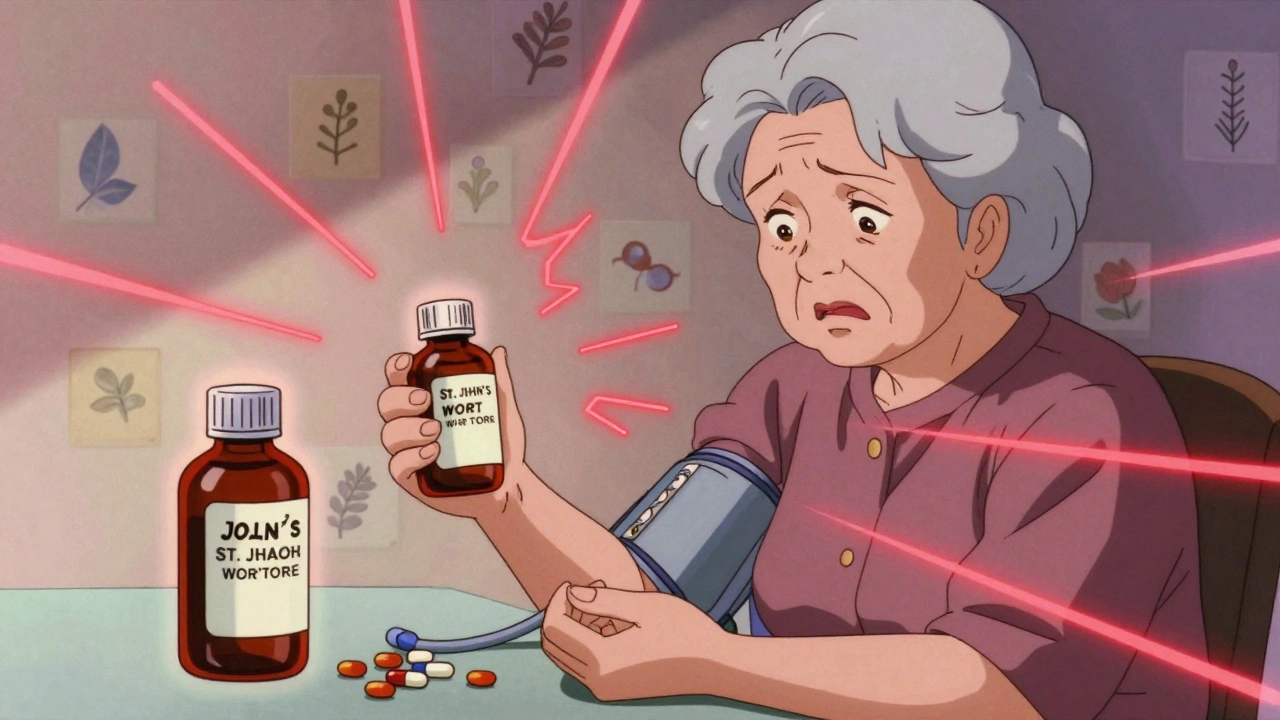
Many supplements can dangerously interact with medications, reducing their effectiveness or causing life-threatening side effects. Learn which ones to avoid, how to check for risks, and what steps to take before taking any supplement with your prescriptions.