Nov 27, 2025
Antacids and Antibiotics: How to Time Your Doses to Avoid Dangerous Interactions
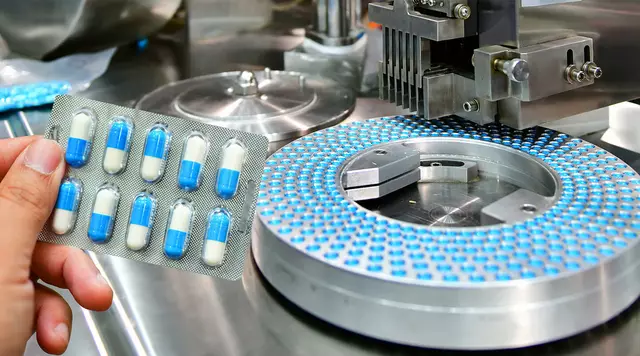
When you take a pill, you expect it to work the way it should—no matter if it’s brand-name or generic. That’s where CGMP standards, Current Good Manufacturing Practices that set the baseline for how pharmaceuticals are made, tested, and controlled. Also known as cGMP, these rules are enforced by the FDA and similar agencies worldwide to make sure every batch of medicine is consistent, pure, and safe. It’s not about fancy labs or expensive equipment—it’s about discipline. Every step, from raw ingredients to final packaging, must be documented, tracked, and verified. No guesswork. No shortcuts.
These standards don’t just apply to big drugmakers. They cover every company making pills, injections, or even supplements sold as medicine. If a drug is sold in the U.S., EU, or Canada, it must meet CGMP rules. That means the active ingredient in your generic metformin has to be identical in strength and purity to the brand version. The same goes for your levothyroxine, sildenafil, or azithromycin. Stability testing, batch records, equipment calibration, and employee training—all of it is part of the system. Without CGMP, you couldn’t trust that the bottle you bought online or at your local pharmacy actually contains what it says it does.
CGMP standards also connect directly to how generics get approved. The FDA doesn’t just look at whether a drug works—it checks how it was made. That’s why stability testing for generics, as covered in our posts, isn’t optional. Three batches, real-time and accelerated conditions, shelf-life data—it all feeds back into CGMP compliance. Same with biosimilar approval. Even complex biologics like those used for arthritis or cancer must follow the same strict manufacturing controls. If a company skips documentation or cuts corners on cleaning procedures, the entire batch gets rejected. No exceptions.
And it’s not just about the drug itself. CGMP covers the environment where it’s made. Air quality, water purity, personnel hygiene, even how workers move through the facility—all of it matters. A single contaminated batch can lead to recalls, hospitalizations, or worse. That’s why the FDA conducts surprise inspections and why companies that fail CGMP audits get warning letters. You don’t hear about these inspections often, but they’re happening every day, protecting people you know.
Understanding CGMP helps you ask better questions. When you read about a drug shortage, a recall, or a price spike, it often traces back to manufacturing issues. A plant failing inspection. A supplier not meeting specs. A change in the process that wasn’t properly validated. These aren’t random events—they’re failures in the CGMP system. And when you know what’s supposed to be in place, you can spot when something’s off.
Below, you’ll find real-world examples of how CGMP standards show up in everyday medications—from the stability testing behind generic drugs to the approval processes for biosimilars and the safety checks on everyday prescriptions. These aren’t abstract rules. They’re the reason your medicine works when you need it most.

The FDA now enforces strict, unannounced inspections on foreign generic drug factories to ensure safety. Learn how CGMP standards, inspection gaps, and new policies are reshaping global drug manufacturing for American patients.