

Changing psychiatric meds isn’t just swapping one pill for another. For many, it feels like losing a part of yourself - even if the new drug is supposed to be better. You might not realize it at first, but the psychological toll of switching medications can be deeper than the physical side effects. It’s not just about chemistry. It’s about trust, identity, and the quiet fear that you’re back to square one.
Why Switching Feels Like Losing Yourself
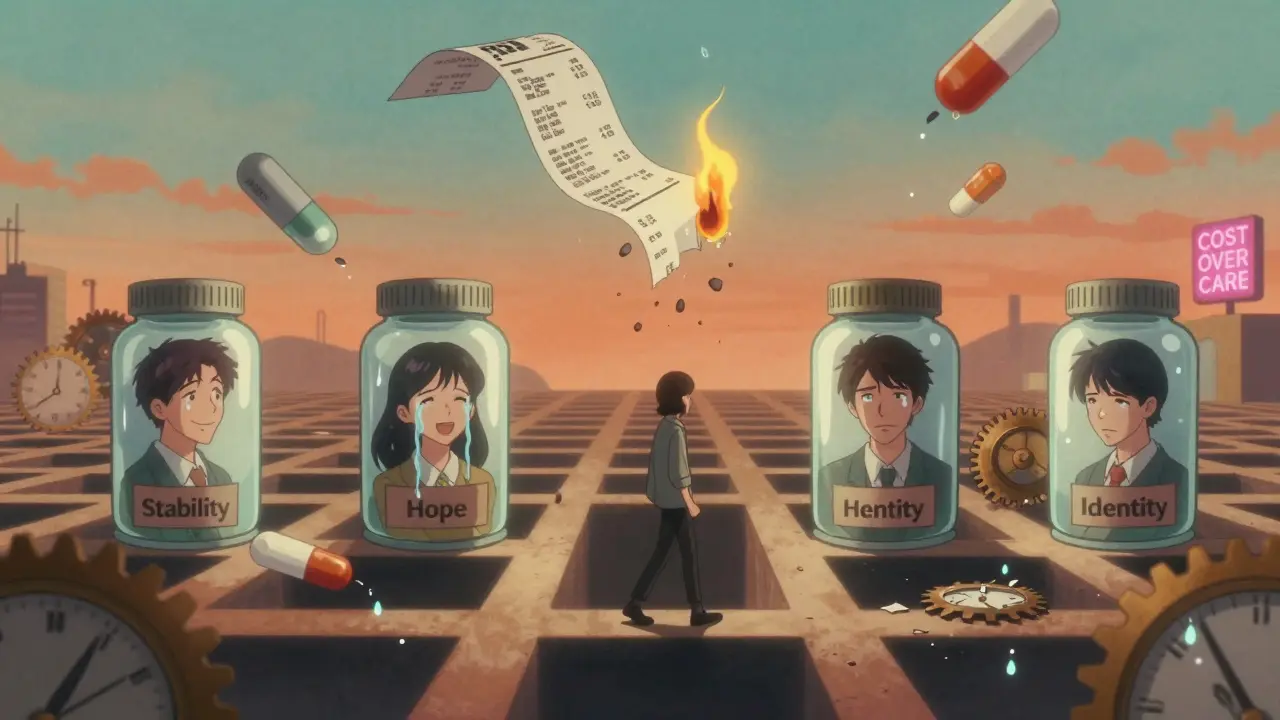
When you’ve been on the same antidepressant or antipsychotic for months or years, your brain adapts. It finds a balance. You sleep better. The panic attacks fade. You start recognizing yourself again. Then, for reasons beyond your control - insurance changes, cost cuts, doctor’s orders - you’re switched to a different drug. Sometimes it’s a generic version. Sometimes it’s a completely different class of medication. And suddenly, the stability you worked so hard for begins to crack. A 2023 study from King’s College London tracked over 40,000 people on antidepressants. Nearly 1 in 10 switched within 90 days. Why? Because the first drug didn’t work. But for many, the switch didn’t fix anything. Instead, it made things worse. One participant described it as feeling like a "junky who needs the drug" - not because they were addicted, but because their brain had learned to rely on that specific chemical signal. When it disappeared, the system went haywire. The psychological impact isn’t just about withdrawal. It’s about identity. People who’ve been on long-term meds often say they feel like a different person after a switch. Some report emotional numbness. Others say they’ve lost their sense of humor, their motivation, their ability to connect. One Reddit user wrote: "I lost six months of progress in my depression treatment. I didn’t just relapse - I felt like I’d never gotten better at all."Generics Aren’t the Enemy - Switching Is
There’s a myth that generic medications are inferior. That’s not true. By law, generics must match brand-name drugs in active ingredients, dosage, and effectiveness. But here’s the catch: they don’t have to match the fillers, dyes, or coating. And for some people, those tiny differences matter - a lot. A 2019 review by Dr. Pierre Blier found that the real problem isn’t whether a drug is generic or brand. It’s the act of switching itself. Of the 68% of problematic switches documented in the study, most happened between two different generic versions of the same drug. One patient switched from one generic paroxetine to another - same active ingredient, same dose - and ended up in the ER with severe dizziness and panic attacks. Their brain didn’t recognize the new formulation. It wasn’t the drug. It was the change. This isn’t just anecdotal. In a 2011 review, researchers found 42 cases of psychological deterioration after generic switches. Many patients weren’t even told they’d been switched. They just woke up feeling off. No explanation. No warning. That’s when trust breaks.The Hidden Cost of Unplanned Switches
Most medication switches happen without patient consent. Insurance companies push for cheaper options. Pharmacies substitute generics automatically. Primary care doctors, who now manage 85% of mental health prescriptions, often lack the training to handle these transitions safely. A 2022 survey of family physicians found that 61% felt unprepared to manage cross-tapering - the gradual shift from one drug to another. When switches are rushed, the consequences are severe. People report increased anxiety, suicidal thoughts, and even psychosis. The National Alliance on Mental Illness (NAMI) surveyed 1,853 people and found that 63% experienced psychological distress during a switch. Of those, 37% had suicidal ideation. One case on PatientsLikeMe described switching from brand-name sertraline to a generic - and within three weeks, experienced complete emotional numbness followed by panic attacks that hadn’t occurred in two years. They were hospitalized. The worst part? These switches often happen in silence. No counseling. No follow-up. No monitoring. Patients are left to figure out why they feel broken - while their doctor assumes the new drug is working fine.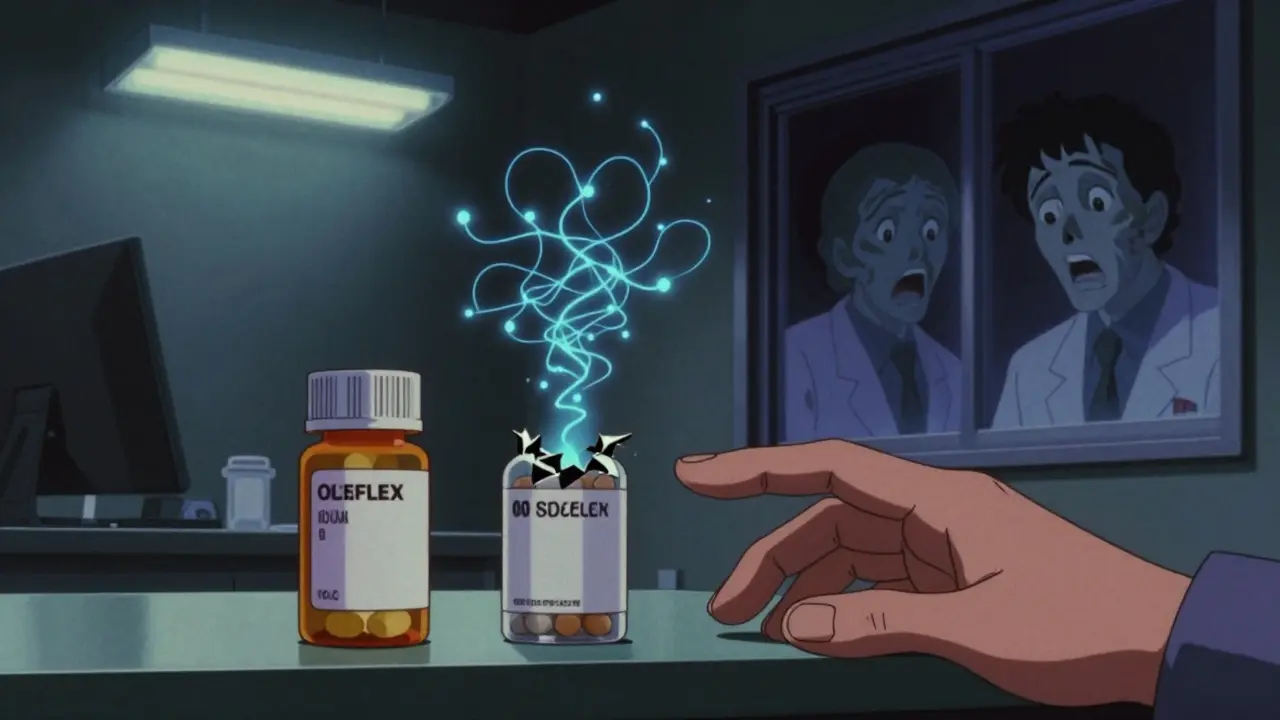
Who Gets Left Behind
The psychological impact of medication switching isn’t equal. People with lower incomes and less education are far more likely to suffer negative outcomes. UK Biobank data shows that those earning under $30,000 a year are 33% more likely to have a bad reaction to a switch than those earning over $75,000. Why? Access to care. Follow-up appointments. Time off work. The ability to push back when something feels wrong. University-educated patients are 25% less likely to switch antidepressants. Not because they’re healthier - but because they’re more likely to question their doctor, ask for alternatives, or request a slower taper. They have the resources to advocate for themselves. Many don’t. This isn’t just a medical issue. It’s a social one. When the system prioritizes cost over stability, it’s the most vulnerable who pay the price - in mental health, in lost time, in shattered trust.How to Switch Safely
Switching doesn’t have to be traumatic. But it requires planning, patience, and communication. Here’s what actually works:- Don’t stop cold. Abrupt discontinuation increases withdrawal symptoms by 70%. Always taper.
- Use cross-tapering. Gradually reduce the old drug while slowly introducing the new one. This cuts psychological side effects by 37%.
- Know your drug’s half-life. Paroxetine (21-hour half-life) needs a slower taper than fluoxetine (96-hour half-life). Rushing a short-half-life drug leads to intense withdrawal.
- Ask for a written plan. Request a schedule: how much to reduce each week, when to start the new med, what symptoms to watch for.
- Monitor weekly. Keep a journal. Note mood, sleep, energy, anxiety. Bring it to your next appointment.
- Insist on being informed. If you’re switched to a generic, ask: "Is this the same formulation I was on?" If it’s a different generic, ask if you can stay on the original.
When to Speak Up
If you feel worse after a switch - even if your doctor says it’s "normal" - speak up. You’re not being dramatic. You’re not weak. You’re responding to a real biological and psychological shift. Signs you need help:- Increased anxiety or panic attacks
- Emotional numbness lasting more than two weeks
- Thoughts of self-harm or suicide
- Feeling like you’ve lost your personality
- Physical symptoms like electric-shock sensations, dizziness, or nausea
What’s Changing - and What Still Needs to Change
The FDA is launching a new surveillance system in 2024 to track psychological outcomes from medication switches across 25 million patient records. That’s a start. The American Psychiatric Association is updating its guidelines to include genetic predictors of switching risk - meaning someday, your DNA might help determine if a switch is safe for you. Digital tools like Pear Therapeutics’ reSET app are already helping. In a trial, patients using the app had 27% fewer hospitalizations during switches because they could report symptoms in real time. But the biggest change needed? A cultural one. We need to stop treating medication switches as routine. They’re not. They’re high-risk events - emotionally, psychologically, and physically. Every switch should come with a conversation, a plan, and a safety net. Until then, if you’re being switched - protect yourself. Ask questions. Document everything. And don’t let anyone tell you that how you feel isn’t real. It is. Your mind remembers what your pills do. And when those pills change, your mind notices - even if no one else does.Can switching antidepressants cause depression to get worse?
Yes. Studies show that 58% of patients experience worsening symptoms after switching antipsychotics, and up to 71% of people switching from branded to generic antidepressants report symptom relapse or increased anxiety. This isn’t always due to the new drug - it’s often the disruption caused by changing formulations or stopping abruptly. The brain needs time to adjust, and sudden changes can trigger withdrawal effects that mimic or worsen depression.
Why do I feel different after switching to a generic medication?
Generics contain the same active ingredient as brand-name drugs, but they can differ in inactive ingredients like fillers, dyes, or coatings. For some people, especially those sensitive to neurological changes, these small differences can alter how the drug is absorbed or how the brain responds. This isn’t about quality - it’s about individual biology. Many report feeling "off," emotionally flat, or anxious after switching to a different generic version - even if the dose is identical.
How long does it take to adjust after switching meds?
It varies. For antidepressants, most people notice stabilization within 2-6 weeks, but full adjustment can take up to 12 weeks. With antipsychotics, it may take longer - sometimes 3-4 months. The key is patience and monitoring. If symptoms worsen after two weeks or you experience severe withdrawal (like electric-shock sensations, dizziness, or panic), contact your doctor immediately. Don’t wait for it to "get better on its own."
Is it safe to switch psychiatric meds without a doctor’s supervision?
No. Psychiatric medications affect brain chemistry in complex ways. Stopping or switching without medical guidance can lead to withdrawal syndromes, rebound symptoms, or even dangerous conditions like serotonin syndrome. Even if you feel fine, your body may be adapting in ways you can’t detect. Always work with a prescriber who understands tapering schedules and pharmacokinetics.
What should I do if I think my medication was switched without my knowledge?
First, check your prescription label and pharmacy receipt. If the name or manufacturer changed, ask your pharmacist for the original formulation. Then contact your doctor immediately - explain how you’re feeling and request a reversal or adjustment. You have the right to know what you’re taking. If your insurance or pharmacy made the switch without consent, you can file a complaint with your insurer or the state pharmacy board. Don’t ignore how you feel - your mental health is worth fighting for.





bruh i switched from brand zoloft to some generic and woke up feeling like a zombie with electric shocks in my head 😵💫 no one warned me. now i’m scared to even change my shampoo.
My therapist said it’s ‘just a pill change’ but when you lose your sense of humor and your dog starts avoiding you… it’s not just a pill. I cried for three weeks straight. No one gets it until they’ve been there.
As someone who’s managed medication changes for over a decade, I want to emphasize: the brain doesn’t just adapt to the active ingredient-it adapts to the entire chemical signature. The fillers, the coating, even the manufacturing batch can alter absorption. This isn’t placebo. It’s neurobiology. Please, if you’re switching, demand a cross-taper. Don’t let insurance dictate your mental stability.
In India, we don’t always have choice. But I’ve seen people suffer silently. One friend switched generics and stopped speaking for months. No one asked why. We think medicine is science-but for the mind, it’s also poetry. And when you change the words, the meaning breaks.
There’s a growing body of pharmacokinetic research indicating that inter-generic variability-particularly in extended-release formulations-can produce clinically significant fluctuations in plasma concentration, even when bioequivalence thresholds are met. For individuals with narrow therapeutic windows, such as those on SSRIs or antipsychotics, these fluctuations can precipitate withdrawal syndromes indistinguishable from relapse. The FDA’s current bioequivalence standard (80–125% AUC) is statistically acceptable but clinically inadequate for neurochemical stability. We need patient-specific pharmacogenomic profiling before any switch, not cost-driven substitution.
I switched from Lexapro to a generic last year. Took me six months to realize I wasn’t depressed anymore-I was just… empty. Like my emotions had been muted. I didn’t tell anyone because I thought I was being dramatic. Turns out, I wasn’t.
People who say switching meds is harmless are either doctors who’ve never been on them or people who’ve never had to live with their own mind. This isn’t a debate. It’s a systemic failure disguised as cost-saving. The pharmaceutical industry doesn’t care if you cry in the shower. They just want you to keep buying pills.
They’re lying to you. The FDA knows generics cause more side effects. They just don’t want you to know because Big Pharma owns them. You think your insurance switch is random? It’s not. It’s planned. They want you dependent on the system. Wake up.
i’ve been on the same sertraline for 7 years and my dr switched me without telling me… i felt like i lost my soul for 3 months 😔 i kept a journal and finally got it reversed. don’t let them do this to you. your feelings matter
Hey I was in the same boat-switched to a generic and thought I was going crazy. Started journaling, asked for my old med, and now I’m back on brand. It took guts but I’m glad I fought. You’re not broken. The system is. Keep speaking up 💪
Psychiatric medication transitions require individualized protocols. Standardized substitution protocols are inadequate. Clinical judgment must supersede administrative convenience.
Switching meds is like changing the engine in a car without recalibrating the computer. It doesn’t matter if the parts are the same. The system doesn’t know how to run it anymore.
Who’s really behind these switches? The government? The banks? The same people who cut mental health funding and then wonder why people are falling apart. It’s not a medical issue-it’s a control issue.
they’re putting fluoride in the water and switching our meds to make us docile. i know this. i’ve seen the patterns. the hospital called me ‘noncompliant’ when i refused the new pill. i’m not crazy. they are.