Dec 3, 2025
Warfarin Genetics: How CYP2C9 and VKORC1 Variants Affect Bleeding Risk and Dosing
When you take a medication, your body doesn’t always respond the way it’s supposed to. An adverse drug reaction, an unintended and harmful response to a medicine at normal doses. Also known as ADR, it’s not just a minor upset stomach—it can be a life-threatening event like liver failure, dangerous heart rhythms, or severe skin reactions. Unlike predictable side effects—like drowsiness from antihistamines—an adverse drug reaction is unexpected, often serious, and sometimes completely unrelated to the drug’s intended use.
These reactions don’t just happen randomly. They’re tied to specific drug interactions, when two or more medications clash inside your body, changing how each one works. For example, taking antacids with antibiotics like doxycycline can slash the drug’s effectiveness by up to 90%. Or mixing alcohol with sucralfate might delay ulcer healing and raise bleeding risk. Even switching from a brand-name drug to a generic drug, a version proven to work the same in your body as the original can trigger a reaction in rare cases, especially if you’re sensitive to inactive ingredients. And it’s not just pills—herbal supplements, OTC pain relievers, and even over-the-counter antacids can play a role.
Some people are more at risk. Seniors juggling five or more meds, patients with kidney or liver issues, and those on drugs with a narrow therapeutic index, where the difference between a helpful dose and a toxic one is very small—like levothyroxine or warfarin—need extra care. That’s why tracking symptoms matters. A rash that shows up two weeks after starting a new drug? A sudden drop in energy or confusion? These aren’t just "bad luck." They could be signs of an ADR. The FDA and WHO track these reports through systems like the Yellow Card program to catch dangerous patterns early.
What you’ll find below isn’t just a list of articles—it’s a practical toolkit. You’ll learn how to recognize the red flags, when to demand a second opinion, how to report reactions that others might ignore, and how to avoid interactions that could land you in the hospital. We cover real cases: how tirzepatide affects weight and what side effects to watch for, why mail-order generics need strict quality controls, and how liquid biopsies help monitor cancer drugs without invasive tests. These aren’t theory pieces. They’re what patients and caregivers need to know before, during, and after taking any medication.
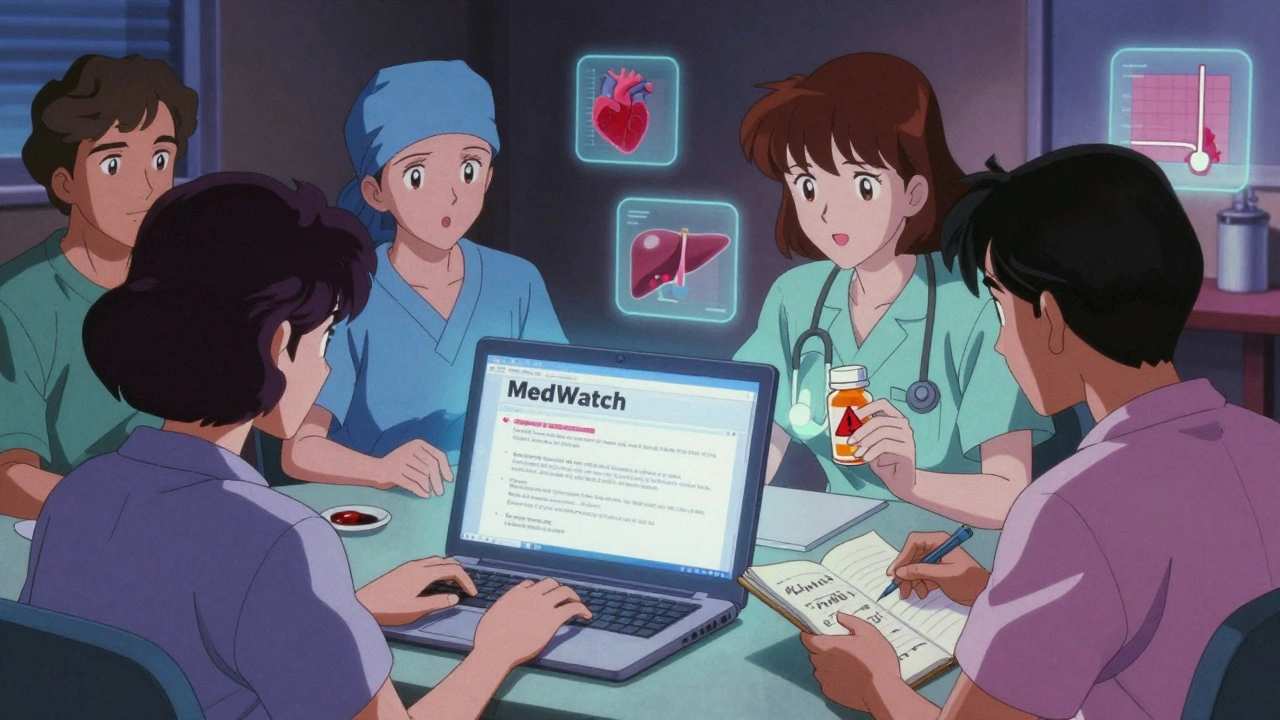
Learn how to report a suspected adverse drug reaction to the FDA using MedWatch. Step-by-step guide for patients, caregivers, and providers on what to report, how to submit, and why it matters for drug safety.