Jun 12, 2025
Provera Birth Control: Uses, Side Effects, and What to Expect
When two medications look nearly identical—same color, shape, or label—it’s not just a coincidence. These are look-alike drugs, medications that resemble each other in appearance or name, increasing the risk of accidental misuse. Also known as similar-looking drugs, they’re a quiet but serious threat in hospitals, pharmacies, and even at home. You might not think a pill that looks like another could cause harm, but hundreds of people are injured every year because someone grabbed the wrong one.
Look-alike drugs aren’t just about pills. They include injectables, creams, and even packaging that’s too similar. For example, a patient once took a diabetes drug instead of a blood pressure pill because both were small, white, and labeled with nearly identical fonts. That kind of mix-up isn’t rare. The FDA and WHO track these errors because they lead to overdoses, organ damage, and even death. It’s not always the pharmacy’s fault. Sometimes it’s the lack of clear labeling, or how drugs are stored side-by-side in a cabinet. Generic drugs, lower-cost versions of brand-name medications approved by the FDA are especially prone to this because multiple manufacturers make them, each with slightly different shapes or colors. And when you switch pharmacies or refill online, you might get a different version without realizing it.
It’s not just about what the pill looks like. Names matter too. Medication errors, mistakes in prescribing, dispensing, or taking drugs often happen because drugs sound alike—like Hydralazine and Hydroxyzine, or Clonazepam and Clonidine. One treats high blood pressure, the other is for anxiety. Take the wrong one, and your body reacts badly. Even pharmacists miss these sometimes. That’s why checking the label every time, even if you’ve taken it before, is non-negotiable. Keep a list of your meds with the reason you take them, and don’t rely on memory. If a pill looks different than last time, ask. It’s your right.
Look-alike drugs are more common than you think. The problem grows as more generics flood the market and pharmacies cut corners on storage. But you’re not powerless. You can spot the risks, ask the right questions, and protect yourself. Below, you’ll find real stories and practical guides on how to avoid these mistakes—whether you’re managing multiple prescriptions, caring for an elderly parent, or just trying to stay safe with your daily pills. This isn’t theory. It’s about keeping you alive and healthy.
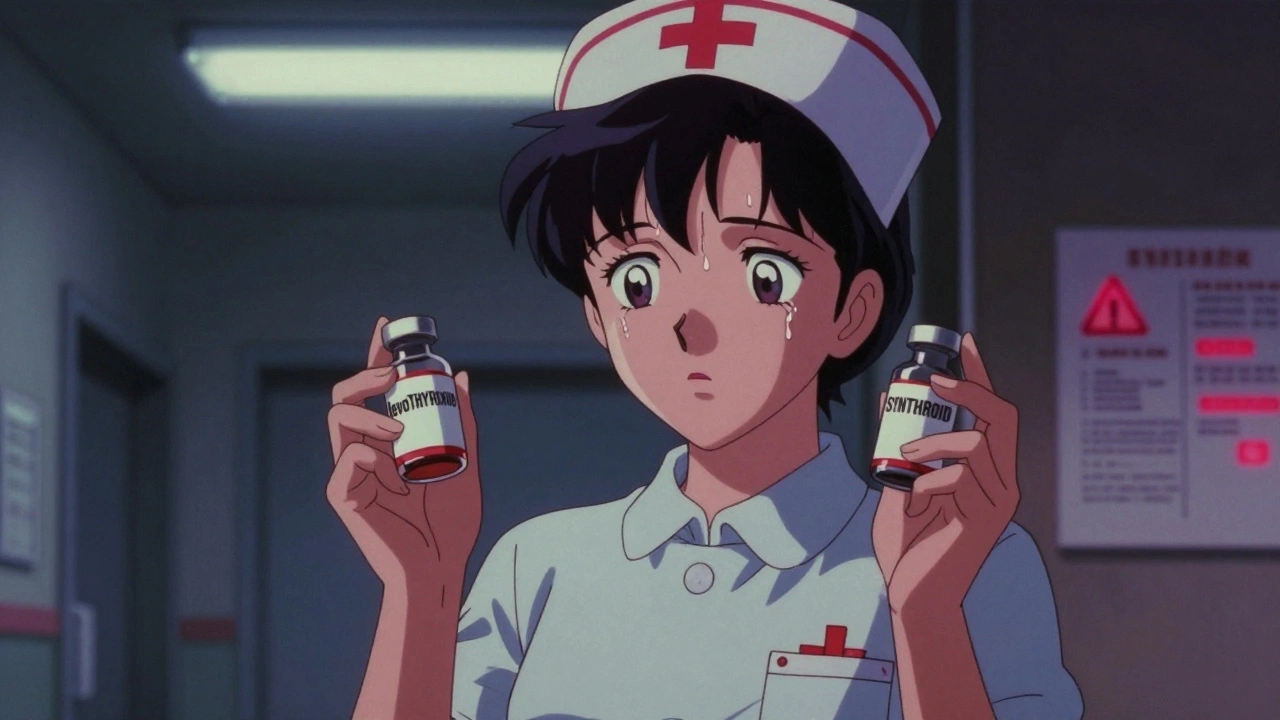
Look-alike and sound-alike medication names cause thousands of preventable errors each year. Learn which drug pairs are most dangerous, why mistakes keep happening, and how patients and staff can stop them.