Nov 25, 2025
How to Stay Informed about Global Medication Safety News
When you pick up a generic pill at the pharmacy, chances are it got there through an ANDA, Abbreviated New Drug Application, the FDA’s official process for approving generic versions of brand-name medicines. Also known as Abbreviated New Drug Application, it’s the backbone of affordable medication in the U.S.—letting patients get the same drugs at a fraction of the price. Without ANDA, most generic drugs wouldn’t be legal to sell. It’s not a shortcut—it’s a smart, science-based system that skips redundant animal and clinical trials when the original drug’s safety and effectiveness are already proven.
Behind every approved generic is a manufacturer proving their version is bioequivalent to the brand-name drug. That means it delivers the same active ingredient, in the same amount, at the same rate. The FDA, the U.S. agency responsible for ensuring drug safety and efficacy doesn’t just rubber-stamp these applications. They inspect factories—both domestic and overseas—to make sure every batch meets strict quality rules. This is where CGMP standards, Current Good Manufacturing Practices, the rules that govern how drugs are made, tested, and stored come in. If a plant fails an unannounced inspection, the ANDA gets blocked. That’s how the FDA keeps unsafe or substandard generics off shelves.
ANDA isn’t just about cost. It’s about access. When a brand-name drug’s patent expires, multiple companies can file ANDAs. That competition drives prices down—sometimes by 80% or more. For people managing chronic conditions like diabetes, thyroid disorders, or high blood pressure, that savings isn’t optional. It’s life-changing. The Hatch-Waxman Act, the 1984 law that created the modern ANDA system, balancing innovation with affordability made this possible. It gave brand-name companies a little extra market time to recoup R&D costs, while giving generics a clear path to enter the market. That balance is why the U.S. has one of the most robust generic drug markets in the world.
But ANDA doesn’t work the same everywhere. In the EU, Canada, or India, the rules for approving generics vary. Some countries demand more testing. Others move faster. These differences affect how quickly a generic becomes available—and how much it costs. That’s why you’ll see the same drug priced differently across borders. The FDA’s ANDA process is strict, but it’s also reliable. When you see a generic labeled as FDA-approved, you know it passed the same bar as the brand name.
What you’ll find below is a collection of real-world stories and deep dives into how ANDA shapes what’s in your medicine cabinet. From how foreign factories are monitored to how patent rules delay generic entry, these posts show you the hidden mechanics behind your prescriptions. You’ll learn why switching from brand to generic is safe, how biosimilars are changing the game, and why some drugs still cost too much—even after patents expire. This isn’t theory. It’s what’s happening right now, in factories, labs, and pharmacies across the country. And it directly affects your health, your wallet, and your choices.
Explore how the Federal Food, Drug, and Cosmetic Act and the Hatch-Waxman Amendments created the legal pathway for affordable generic drugs in the US.
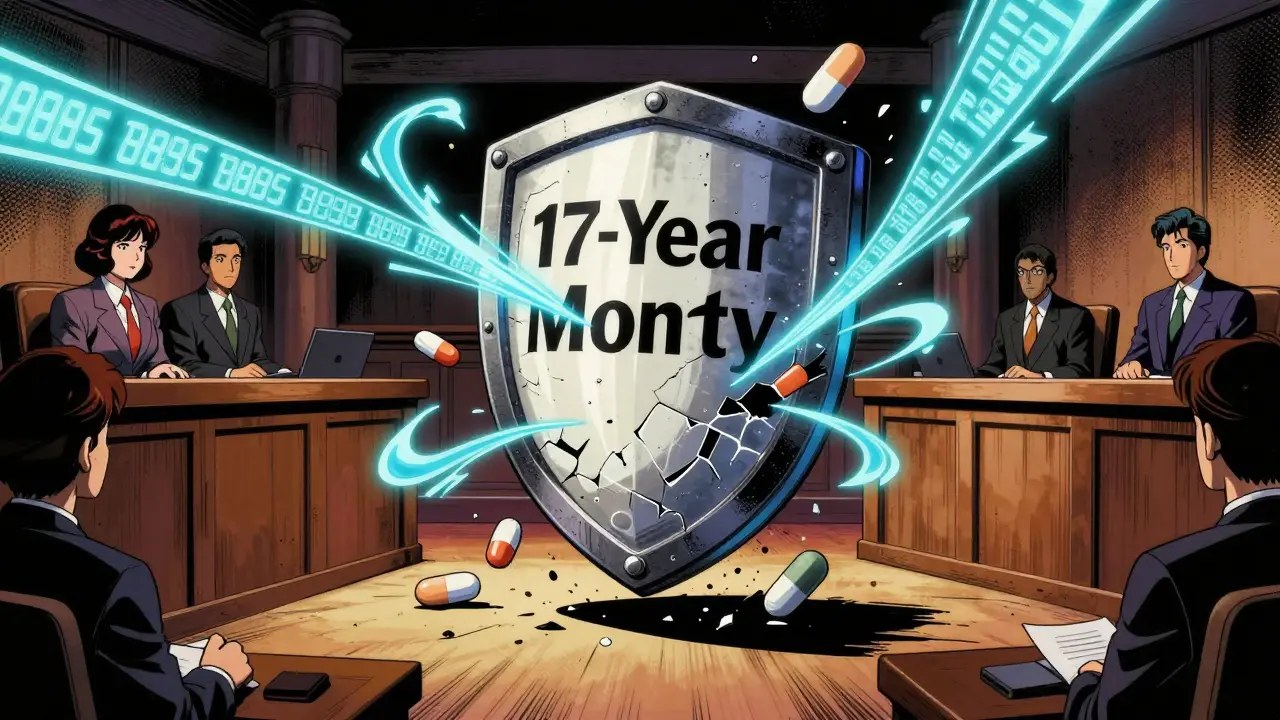
The Hatch-Waxman Act created the modern system for generic drugs in the U.S., balancing innovation and affordability. It let generics enter faster while giving brand companies patent extensions-saving billions but also opening the door to abuse.
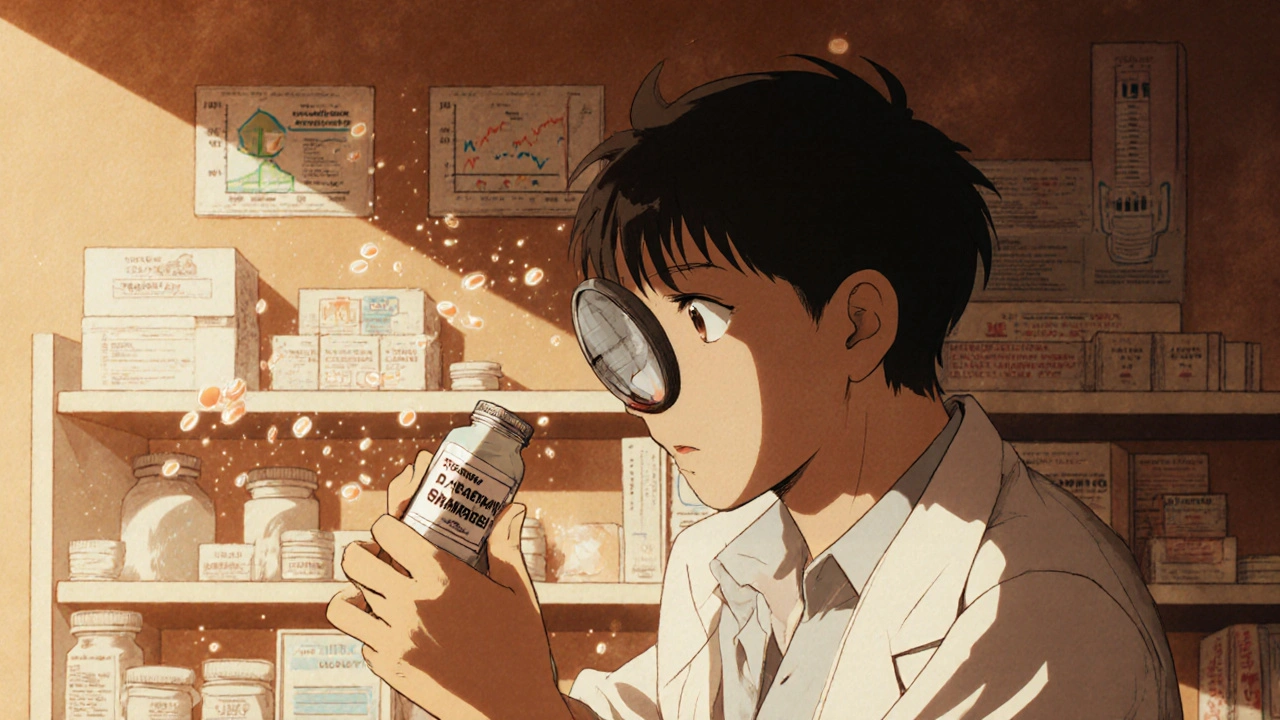
Stability testing ensures generic drugs remain safe and effective over time. The FDA requires rigorous testing of three batches under real and accelerated conditions to prove shelf life, potency, and purity match brand-name drugs.