Vitamin K Intake Estimator
Track your daily portions to ensure dietary consistency.
Select Your Vegetables:
Daily Summary
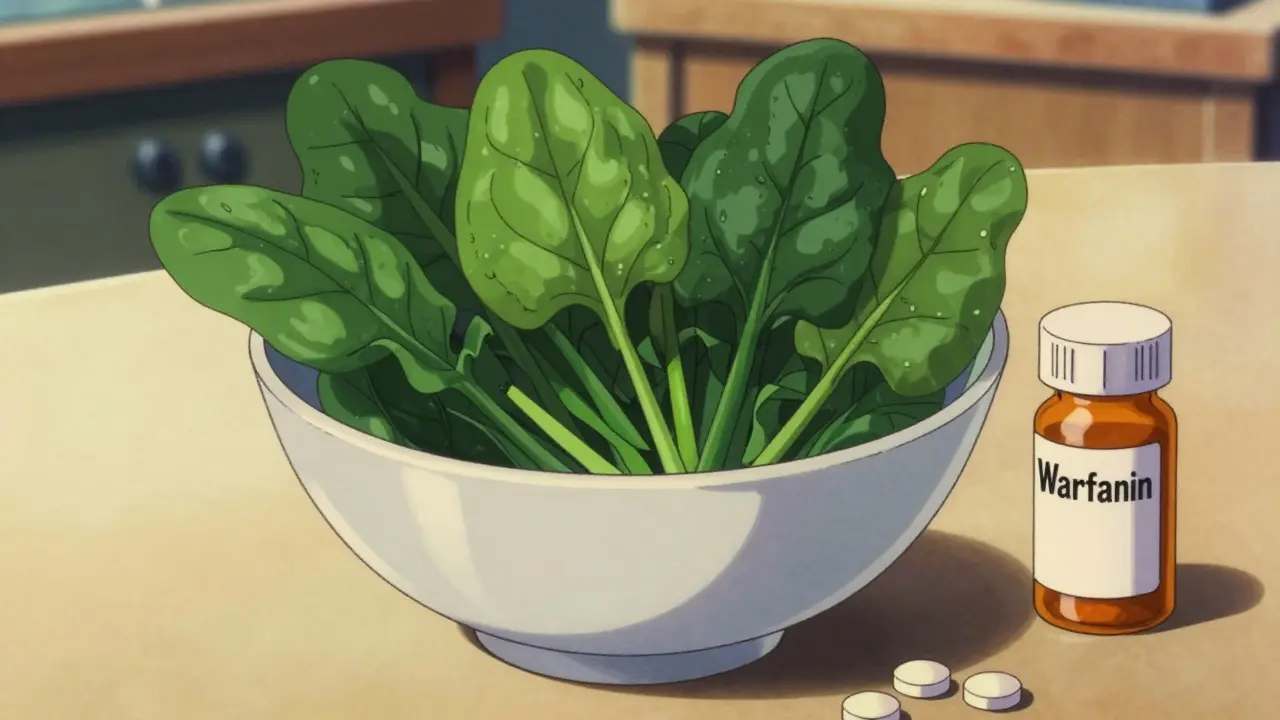
Imagine spending weeks carefully avoiding every single piece of broccoli or spinach, only to have one accidental salad send your blood clotting levels swinging wildly. For anyone taking Warfarin is a widely used anticoagulant medication that prevents blood clots by interfering with the body's use of vitamin K. Also known by the brand name Coumadin, it's a powerful tool for managing atrial fibrillation or deep vein thrombosis, but it comes with a catch: your diet can directly change how well the medicine works.
The biggest myth about this medication is that you have to stop eating green vegetables. That's simply not true. In fact, trying to cut out vitamin K entirely often makes your levels more unstable. The secret isn't restriction; it's consistency. If you keep your intake steady, your doctor can adjust your dose to match your lifestyle, and you can keep enjoying your greens.
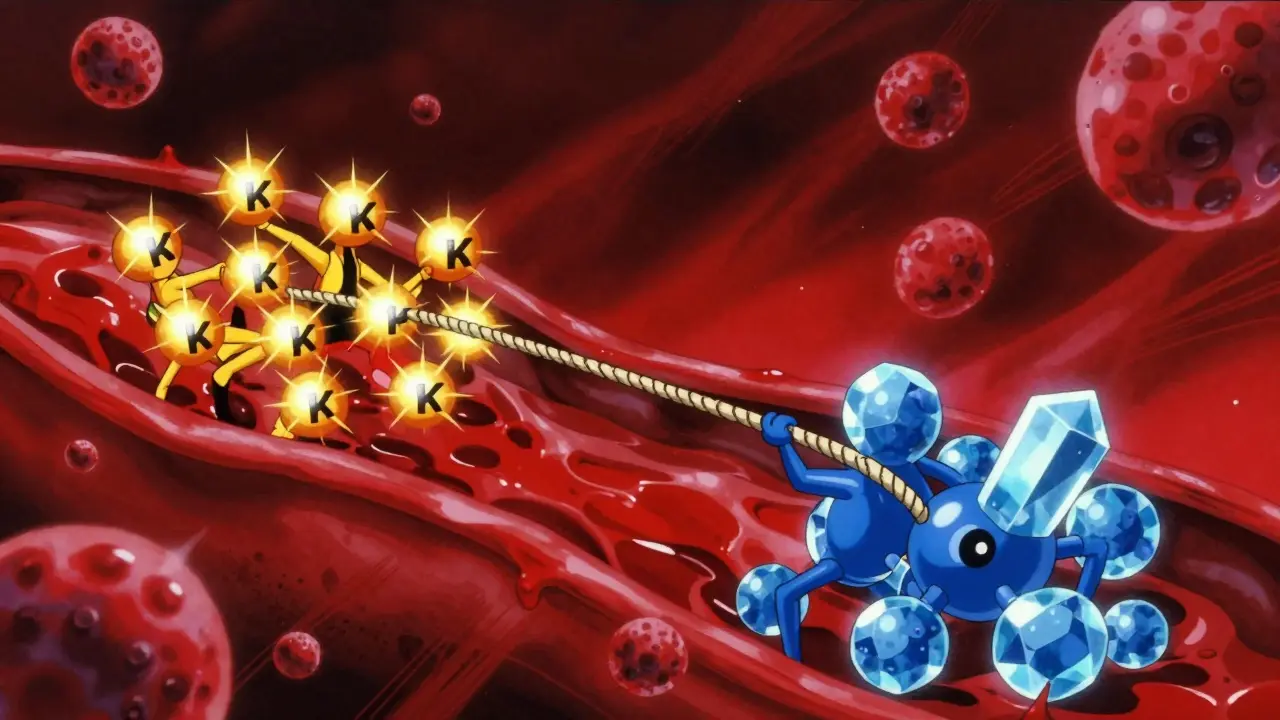
The Tug-of-War: How Vitamin K Affects Your Blood
To understand why your diet matters, you need to know that Vitamin K is a fat-soluble vitamin that acts as a critical cofactor for the proteins that help your blood clot. Warfarin works by blocking the enzyme that recycles this vitamin. When you have plenty of vitamin K in your system, it "overpowers" the medication, making your blood more likely to clot. When you suddenly drop your intake, the medication becomes more potent, increasing your risk of bleeding.
Medical professionals track this balance using the International Normalized Ratio (INR), which is a standardized measurement of how long it takes your blood to clot. For most people, the target INR is between 2.0 and 3.0. If you eat a massive amount of kale one day, your INR might drop to 1.8, meaning your blood is clotting too quickly. Conversely, if you stop eating greens entirely, your INR could spike, putting you at risk for internal bruising or bleeding.
High-K vs. Low-K Foods: What to Watch
Not all vegetables are created equal when it comes to vitamin K. Some are "heavy hitters" that can cause a significant shift in your INR, while others are relatively neutral. The key is to identify which ones you enjoy and keep the portions the same from day to day.
| Vegetable | Vitamin K Content (µg) | Impact Level |
|---|---|---|
| Spinach | 889 | Very High |
| Collard Greens | 772 | Very High |
| Kale | 547 | High |
| Broccoli | 220 | Moderate |
| Asparagus | 70 (per 1/2 cup) | Low |
| Green Beans | 14 (per 1/2 cup) | Very Low |
Notice the huge difference between spinach and green beans. If you eat a side of green beans every night, a small variation won't move the needle much. But if you switch from no spinach to a large cooked spinach salad, you're introducing nearly 900 µg of vitamin K, which can drop your INR by 0.5 to 1.0 units within a few days.
Strategies for Maintaining a Steady Balance
Maintaining a stable INR isn't about being a nutritionist; it's about creating a routine. The goal is to keep your daily variation in vitamin K intake below 20%. Here is how you can practically achieve that balance:
- The "Daily Portion" Rule: Instead of having a huge amount of greens on Monday and none on Tuesday, eat a small, consistent amount every day. For example, if you love spinach, have exactly one cup of baby spinach every breakfast.
- Watch the Cooking Method: Be careful with how you prepare your food. Cooking can concentrate nutrients; raw spinach has about 145 µg per cup, but cooked spinach jumps to 889 µg. If you switch from raw salads to sautéed greens, you're significantly increasing your vitamin K intake.
- Use a Food Diary: It sounds tedious, but tracking your greens for a few weeks helps you spot patterns. If your INR fluctuates, you can look back at your diary and see, "Oh, I had a big kale smoothie on Thursday," and adjust accordingly.
- Be Wary of "Healthy" Supplements: Many nutritional shakes or multivitamins contain added vitamin K. Check the labels on drinks like Ensure or Boost, as they can add an unexpected 50-55 µg per serving.
Common Pitfalls and Hidden Triggers
Diet isn't the only thing that messes with your levels. There are a few "invisible" factors that can throw your balance off even if you're eating the same amount of kale.
One major trigger is antibiotics. Certain antibiotics can kill the bacteria in your gut that produce Vitamin K2, which is a form of vitamin K found in animal products and fermented foods. When these bacteria disappear, your natural vitamin K levels drop, which can cause your INR to rise and make your blood too thin.
Illness is another factor. If you get a stomach bug or a flu and stop eating normally for two days, your vitamin K intake plummets. This often leads to a spike in INR, increasing your bleeding risk. If you're too sick to eat, let your anticoagulation clinic know immediately so they can monitor you more closely.

Warfarin vs. Newer Alternatives
You might have heard about DOACs, which are Direct Oral Anticoagulants like Apixaban or Rivaroxaban. These newer drugs don't interact with vitamin K, meaning you can eat whatever you want without worrying about your INR. While they are more convenient, they are often significantly more expensive and aren't suitable for everyone-especially those with certain mechanical heart valves.
Warfarin remains a gold standard because it's affordable and can be reversed quickly with specific protocols if you have an emergency. The only "cost" of using Warfarin is the mental effort required to keep your diet consistent. For most, this is a small price to pay for an effective, low-cost medication.
Should I completely avoid green leafy vegetables?
No. Avoiding them entirely is actually discouraged by the American Heart Association. The goal is consistency. If you enjoy greens, keep eating them, but keep the amount you eat the same every day so your doctor can dose your medication accurately.
How quickly does a change in diet affect my INR?
Typically, a significant increase or decrease in vitamin K intake will change your INR levels within 3 to 5 days. This is why a single "cheat meal" of greens might not be a problem, but a week-long change in diet definitely will be.
What happens if I accidentally eat too much vitamin K?
If you have a one-time feast of greens, don't panic. However, if you notice symptoms of a clot (like sudden swelling in one leg or shortness of breath), contact your doctor. They may want to check your INR and adjust your dose temporarily.
Can I take a multivitamin while on Warfarin?
Yes, but check if it contains vitamin K. If it does, make sure you take it every single day. Skipping a vitamin K supplement for a few days can cause your blood to become too thin, just like skipping vegetables would.
Why does my doctor care so much about my diet?
Because Warfarin has a "narrow therapeutic index." This means the difference between a dose that works and a dose that is dangerous is very small. Vitamin K acts as a direct antidote to the drug, so any big change in your diet can push you out of that safe window.
Next Steps for Stable Management
If you're feeling overwhelmed, start by picking three "safe" vegetables that you like and decide on a portion size for each. Commit to that amount for two weeks and see how it feels. If you're a tech-savvy person, look into apps like CoumaDiet or a general food tracker to help you visualize your vitamin K intake.
Always keep your anticoagulation clinic in the loop. If you're planning a major dietary change-like starting a vegan diet or a strict keto plan-tell your provider first. They can schedule more frequent INR tests during the transition to make sure you stay in the safe zone.