
When someone is fighting cancer, pain isn’t just a side effect-it’s a constant shadow. It can come from the tumor pressing on nerves, from surgery, chemotherapy, or even radiation. And too often, patients are left struggling because their pain isn’t being managed the way it should be. The truth is, cancer pain can be controlled. Not always eliminated, but made bearable. And it doesn’t have to mean stacking opioids on top of opioids until side effects overwhelm you. There’s a smarter, more complete way.
How Cancer Pain Works-And Why the Old Way Falls Short
Cancer pain isn’t one thing. It’s a mix. Sometimes it’s a dull, deep ache from a tumor pressing on bone or organs-that’s nociceptive pain. Other times, it’s sharp, burning, or electric-neuropathic pain-from nerves damaged by chemo or surgery. Most patients get both. That’s why the old one-size-fits-all approach doesn’t work. The WHO’s three-step ladder, introduced in 1986, was a breakthrough. Step 1: acetaminophen or NSAIDs for mild pain. Step 2: weak opioids like codeine or tramadol for moderate pain. Step 3: strong opioids like morphine or oxycodone for severe pain. It was simple. It was logical. And for a long time, it was the gold standard. But here’s the problem: 42% of cancer patients have mixed pain from day one. Starting with just NSAIDs? That’s like putting a bandage on a broken leg. A 2024 study in Pain Medicine found that patients with neuropathic components didn’t respond well to Step 1 alone. They needed more-right away. And then there’s the opioid problem. Yes, they work. A 2023 meta-analysis showed strong opioids reduce pain scores by 4.2 points on a 10-point scale. But 81% of patients get constipated. 56% feel nauseous. 43% are too drowsy to talk to their kids. And let’s not forget: 78.4% of patients in a 2024 ASCO survey said their constipation was so bad it made them skip doses or avoid opioids altogether.Opioids: The Necessary Tool-But Not the Only One
Opioids still have a place. For severe, persistent pain, they’re often the most effective tool we have. Morphine, oxycodone, fentanyl patches-these aren’t just drugs. They’re lifelines for people whose pain is crushing their ability to eat, sleep, or breathe. But dosing matters. The old “as-needed” model? Outdated. Today’s guidelines (European Association for Palliative Care, 2024) say: around-the-clock dosing. Give the right dose every 4-6 hours, not just when the pain spikes. Then use breakthrough doses (usually 10-20% of the total daily dose) for sudden flare-ups. Dose titration is key. If your pain stays above a 4 out of 10 after 24 hours, you need more-not just a different drug. And here’s something most people don’t know: your genes matter. A 2024 ASCO presentation showed that 63% of people with a CYP2D6 gene variant don’t convert codeine into morphine properly. That means codeine? It’s useless for them. Tramadol? Also risky-47.8% of patients in one study said it made them dizzy and didn’t help much. The CDC updated its guidelines in 2023, raising the max morphine equivalent daily dose for cancer patients from 50mg to 90mg. That’s not because opioids are safer-it’s because we now know cancer patients need higher doses than people with chronic non-cancer pain. But even at 90mg, many still aren’t getting relief. That’s where other tools come in.Nerve Blocks: Precision Pain Relief
Imagine turning off a specific nerve that’s screaming with pain-without touching the rest of your body. That’s what nerve blocks do. For pancreatic cancer, a celiac plexus block can cut pain in half. Doctors inject a mix of numbing medicine (bupivacaine) and steroid (methylprednisolone) near the nerve bundle behind the stomach. A 2022 study in the Journal of Clinical Oncology found this gave patients 132 days of pain relief on average. That’s over four months. Epidural blocks-where medicine goes into the space around the spinal cord-are used for pain in the chest, abdomen, or legs. Continuous infusions of morphine or ropivacaine through a tiny catheter can keep pain under control for days or weeks. Success rates? 65-85% for the right patients. Peripheral nerve blocks? Used for localized pain, like arm or leg pain from bone metastases. A catheter stays in place, delivering low-dose anesthetic for 24/7 relief. Here’s the catch: only 22% of patients who qualify for nerve blocks actually get them. Why? Because they require specialists. Not every hospital has an interventional pain team. And in low-resource settings? Forget about it. But in places with access, they’re game-changers. One patient on Reddit said: “The block dropped my pain from 8/10 to 3/10 for four months. I didn’t need nearly as many pills.”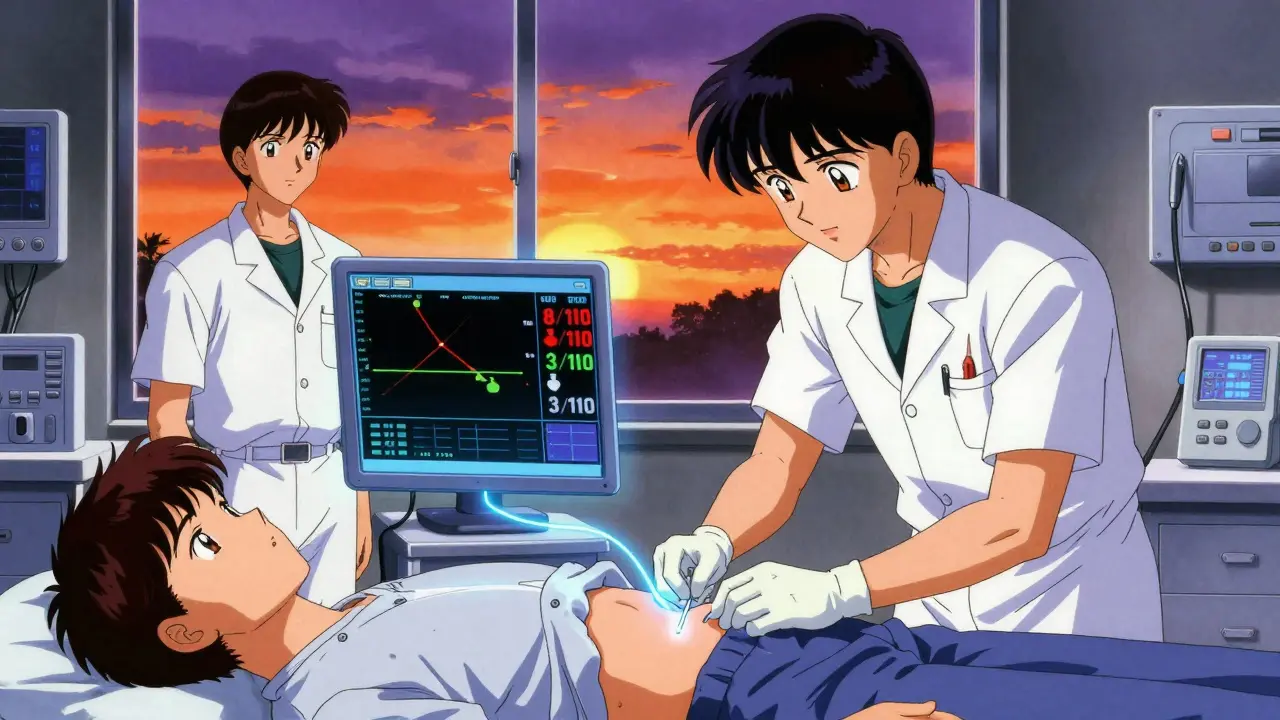
Integrative Care: The Missing Piece
Acupuncture. Massage. Mindfulness. Reflexology. Aromatherapy. These aren’t just spa treatments. They’re evidence-backed tools. A 2024 review of 17 trials with over 1,000 patients found that non-pharmacological therapies reduced cancer pain by a statistically significant amount (p<0.001). Acupuncture alone cut pain intensity by 38.7% in 81.5% of studies. A 2024 scoping review of 54 mindfulness studies showed 87% of patients reported better pain control and less anxiety. And here’s the kicker: these methods reduce opioid side effects. A patient on CancerCare.org said: “I started using acupressure wristbands during chemo. My nausea dropped 70%. I cut my opioid use in half.” Massage therapy? Helps with muscle tension and anxiety. Reflexology? Reduces foot pain from neuropathy. Aromatherapy with lavender? Lowers stress hormones that make pain feel worse. The NCCN Guidelines (v3.2024) give acupuncture a “strong recommendation.” And it’s not just for rich patients. A 2024 survey of 1,247 people found 68.3% of those who used acupuncture saw “meaningful pain reduction.” Cost? $85-$120 per session. Insurance doesn’t always cover it. But many cancer centers now offer it for free or low cost as part of integrative oncology programs.What’s New? Monoclonal Antibodies and AI
In March 2024, the FDA approved tanezumab-a monoclonal antibody that blocks nerve growth factor-for bone pain from cancer. In trials, it reduced pain by 45.7%, compared to 28.3% with placebo. And it doesn’t cause constipation or drowsiness. Side effects? Mostly joint pain or numbness. It’s not a cure, but for patients who can’t tolerate opioids anymore? It’s a new option. Denosumab (Xgeva), already used to prevent bone fractures, also cuts bone pain. It’s now a $3.2 billion-a-year drug, and sales are growing fast. And then there’s AI. A landmark 2024 study in the Journal of Clinical Oncology used electronic health records to predict which patients would develop severe pain before it happened. The AI system flagged high-risk patients 72 hours before pain spiked. When doctors acted early, pain control improved by 32.7%. That’s not science fiction. It’s happening now in major cancer centers.
What Should You Do? A Practical Guide
If you or someone you love is dealing with cancer pain, here’s what to ask for:- Ask for a pain specialist. Not every oncologist is trained in pain management. Demand a referral to palliative care or a pain clinic.
- Track your pain. Use a daily log: rate pain (0-10), note triggers, list meds taken, record side effects. This helps your team adjust faster.
- Don’t accept “just take more opioids.” If you’re stuck on high doses with bad side effects, ask: “What else can we try?” Nerve blocks? Acupuncture? Tanezumab?
- Check if your center offers integrative services. 78.4% of U.S. cancer centers now do. Ask about free or low-cost options.
- Know your rights. In 47 U.S. states, you can now get 30-day opioid prescriptions without special state registration. In 63% of European centers, they test your CYP2D6 gene before prescribing codeine.
Barriers Still Exist
Let’s be real. Not everyone has access. In 63 countries, opioids are hard to get. In low-income regions, morphine is often unavailable. Even in the U.S., rural patients travel hours to find a pain specialist. And integrative therapies? Still out of reach for many because insurance won’t cover them. But change is coming. South Korea is rolling out blockchain systems to track opioid prescriptions and reduce diversion-without cutting access for cancer patients. By 2030, personalized pain plans using genetic data will be standard. That means your pain treatment could be tailored to your DNA.It’s Not About Choosing One Option-It’s About Combining Them
The best cancer pain management isn’t about picking opioids OR nerve blocks OR acupuncture. It’s about using all of them-when they make sense. A patient with pancreatic cancer might get a celiac plexus block, take a low-dose opioid around-the-clock, use acupuncture for nausea, and practice mindfulness to reduce anxiety. That’s not “alternative.” That’s modern medicine. The goal isn’t zero pain. It’s livable pain. Enough to sleep. Enough to talk to your grandkids. Enough to feel like yourself again. And that’s possible. Not for everyone yet. But for more people than ever before.Are opioids the only option for severe cancer pain?
No. While opioids are powerful and often necessary for severe pain, they aren’t the only option. Nerve blocks like celiac plexus or epidural analgesia can provide targeted, long-lasting relief without systemic side effects. Monoclonal antibodies like tanezumab are now FDA-approved for bone pain and avoid opioid-related issues like constipation or sedation. Integrative therapies like acupuncture and mindfulness can reduce pain intensity and lower opioid needs. A multimodal approach-combining these tools-is more effective and safer than relying on opioids alone.
Do nerve blocks work for all types of cancer pain?
No. Nerve blocks are most effective for localized, well-defined pain-like abdominal pain from pancreatic cancer (via celiac plexus block), bone pain in the spine or pelvis (epidural), or pain in a single limb (peripheral nerve block). They’re less helpful for widespread pain, diffuse neuropathy, or pain caused by multiple tumors. The success rate is 65-85% for eligible patients, but only if the pain source can be clearly mapped to a specific nerve pathway. A pain specialist uses imaging (like ultrasound or CT) to target the right nerves.
Can integrative therapies like acupuncture really reduce cancer pain?
Yes, and the evidence is strong. A 2024 review of 17 randomized trials with over 1,000 patients showed acupuncture, massage, and reflexology significantly reduced pain (p<0.001). Acupuncture alone cut pain intensity by 38.7% in 81.5% of studies. It also reduces nausea, improves sleep, and lowers anxiety-side effects that often worsen pain. The NCCN Guidelines give acupuncture a “strong recommendation.” Many cancer centers now offer it for free. It doesn’t replace opioids, but it makes them more tolerable and sometimes reduces the dose needed.
Why is constipation such a big problem with opioids?
Opioids slow down the digestive system by binding to receptors in the gut, not just the brain. This causes stool to move slower, become dry and hard, and lead to severe constipation. Studies show 81% of patients on opioids experience this-even with laxatives. Many stop taking their pain meds because of it. The solution isn’t just more laxatives. It’s a combination: stool softeners (docusate), stimulant laxatives (senna), and sometimes methylnaltrexone (Relistor), which blocks opioid effects in the gut without affecting pain relief. Staying hydrated and moving as much as possible also helps.
Is the WHO three-step ladder still relevant today?
Yes-but with major updates. The ladder is still a useful framework, but modern guidelines no longer recommend starting with NSAIDs for everyone. For patients with neuropathic or mixed pain, experts now suggest starting with a low-dose opioid or adding a nerve-blocking agent early. The 2024 WHO update still supports the ladder, but adds strong recommendations for integrative therapies and personalized approaches. The real shift is from a rigid step-by-step model to a flexible, patient-specific plan that combines all available tools from the start.
Can I get these treatments if I live in a rural area?
Access is still unequal. Nerve blocks and monoclonal antibodies require specialized clinics, often in urban centers. But many integrative therapies-like guided meditation apps, acupressure wristbands, or aromatherapy-are low-cost and can be done at home. Telehealth consultations with palliative care specialists are expanding, and some hospitals now send mobile pain teams to rural areas. Ask your oncologist about tele-pain services. The Cancer Pain Relief app (downloaded over 147,000 times) offers free, step-by-step guidance on pain management, even without internet access.
Every patient’s pain is different. There’s no single answer. But there is a better way-more options, more precision, more dignity. You don’t have to suffer in silence. Ask. Advocate. Demand a plan that fits you-not just the system.


I had my mom on opioids for 8 months. She was barely able to walk. Then we tried a celiac block and suddenly she was eating again. No more vomiting. No more sleeping all day. It was like she came back to life. Why isn't this offered to everyone? It's not magic. It's medicine.
this made me cry 😭 i lost my dad to pancreatic cancer and he never got a block. they just kept upping his morphine till he couldn't talk. i wish someone had told us about this sooner.
Pain is not a problem to be solved. It is a signal. But we've turned it into a metric. We measure it on a scale of 1 to 10 and then we treat the number. Not the person. Not the fear. Not the loneliness that comes with it. The best pain management isn't a drug. It's being seen.
Opioids are a CRIME against humanity!! They're turning our grandparents into zombies!! And don't even get me started on the pharmaceutical mafia!! They're literally poisoning people for profit!! NERVE BLOCKS? YES!! But they're NOT available because Big Pharma doesn't make money off them!! It's all about the $$$!! They want you hooked!! And acupuncture?? It's ancient wisdom!! Why are we ignoring the wisdom of the East?? This system is BROKEN!!
I must express my profound concern regarding the apparent overreliance upon pharmacological interventions in the management of oncologic pain. The empirical evidence presented, while statistically significant, fails to adequately address the ethical implications of long-term opioid administration. Furthermore, the assertion that non-pharmacological modalities possess 'evidence-backed' efficacy requires rigorous meta-analytic validation, which has not been provided herein.
i know this sounds crazy but i really think we need to stop treating cancer pain like a math problem. you can't just add more drugs. you have to listen. my sister was in so much pain she stopped talking. we tried everything. then her nurse just sat with her. held her hand. let her cry. no meds. just presence. that’s what changed everything. we need more nurses like her. not more pills. i’m not saying opioids are bad. i’m saying we forgot how to be human.
This is why America sucks. We overmedicate everything. In India, they just use turmeric and prayer. My cousin had bone cancer and he didn’t take one pill. He just sat under a tree and chanted. He lived 3 years longer than the doctors said. We don’t need science. We need spirit.
Nerve blocks are underused because most oncologists don't train in them. It's a gap in education. Not a gap in need. Hospitals should require palliative consults for anyone with moderate-to-severe pain at diagnosis. Simple fix. Big impact.
In India, we don’t have access to these blocks. My uncle had bone metastases. He got paracetamol and hope. The system fails people like him. This article is beautiful. But it’s for people with insurance. We need global access. Not just better science.
I knew it! The government is hiding the truth! Nerve blocks? They’re real but they’re banned because the CDC and WHO are controlled by Big Pharma! And acupuncture? It works because of chi energy, which is ancient alien tech! They don’t want you to know this! Also, did you know the moon controls pain? I read it on a blog!
So let me get this straight. You're saying we should give people nerve blocks instead of opioids? But what about addiction? What about the opioid crisis? This sounds like a slippery slope to me. And who's going to pay for all these procedures? The government? That's just socialism. We can't afford this. We need to cut costs. Not spend more.
Pain is not merely physical. It is existential. When the body breaks, the soul trembles. The most effective analgesic is not morphine or bupivacaine. It is dignity. To be heard. To be held. To be allowed to be afraid without being fixed. The tools we use matter. But the space we create around them matters more.
Let me tell you something. In India, we have 1.4 billion people. And less than 500 interventional pain specialists. You think a celiac plexus block is accessible? It’s a luxury. This article reads like a Bloomberg report for the 1%. Real people? They’re still taking tramadol because it’s the only thing that’s not on backorder. Stop preaching. Start scaling.
I work in hospice. We do nerve blocks. We do patches. We do acupuncture. But 80% of the time, the family says 'just give her more morphine.' They're scared. They think if we're not dosing up, we're not trying. We're not failing the patient. We're failing their fear. That's the real barrier.
The real innovation isn't in the block or the drug. It's in the team. When a palliative care doc, a pain specialist, a social worker, and a chaplain sit down with a patient before the first dose is written - that’s when things change. We treat pain like a symptom. But it's a whole person crisis. You can't fix it with a needle alone. You need presence. You need time. You need to stop rushing.