Oct 13, 2025
How Bacterial Vaginosis Affects Your Sex Life and Intimacy
When you hear drug name confusion, the dangerous mix-up of medications because their names sound or look alike. Also known as look-alike/sound-alike (LASA) errors, it’s one of the most common causes of preventable harm in medicine. A patient meant to get Celebrex for arthritis ends up with Celexa, an antidepressant. Someone asking for Zyrtec gets Zyprexa, an antipsychotic. These aren’t rare typos—they happen daily in pharmacies, hospitals, and even at home. The FDA tracks over 1,000 pairs of drugs that are easily confused, and many of these mix-ups lead to hospitalizations or worse.
It’s not just about spelling. look-alike drugs, medications with similar packaging, font, or color trick even trained professionals. Think of Vicodin and Vioxx—both start with "V", both are pain meds, both were once widely prescribed. One’s a narcotic combo, the other’s an anti-inflammatory. Take the wrong one, and you risk addiction or a heart attack. Then there’s sound-alike drugs, medications that sound identical when spoken aloud. Insulin and heparin? Both given by injection. One lowers blood sugar. The other thins your blood. Say them quickly in a busy ER, and the wrong one gets drawn up. These aren’t hypotheticals—they’re documented in FDA reports, hospital incident logs, and patient safety studies.
You don’t need to be a pharmacist to protect yourself. Always double-check the name on your prescription label. Ask your pharmacist: "Is this the same as the last time?" If you’re on multiple meds, keep a written list—don’t rely on memory. Use the full brand or generic name, not shortcuts. And if you’re ever unsure, pause. A second look can save a life. The posts below show real cases where this confusion led to harm, how pharmacies are trying to fix it, and what you can do right now to make sure you get the right pill every time.
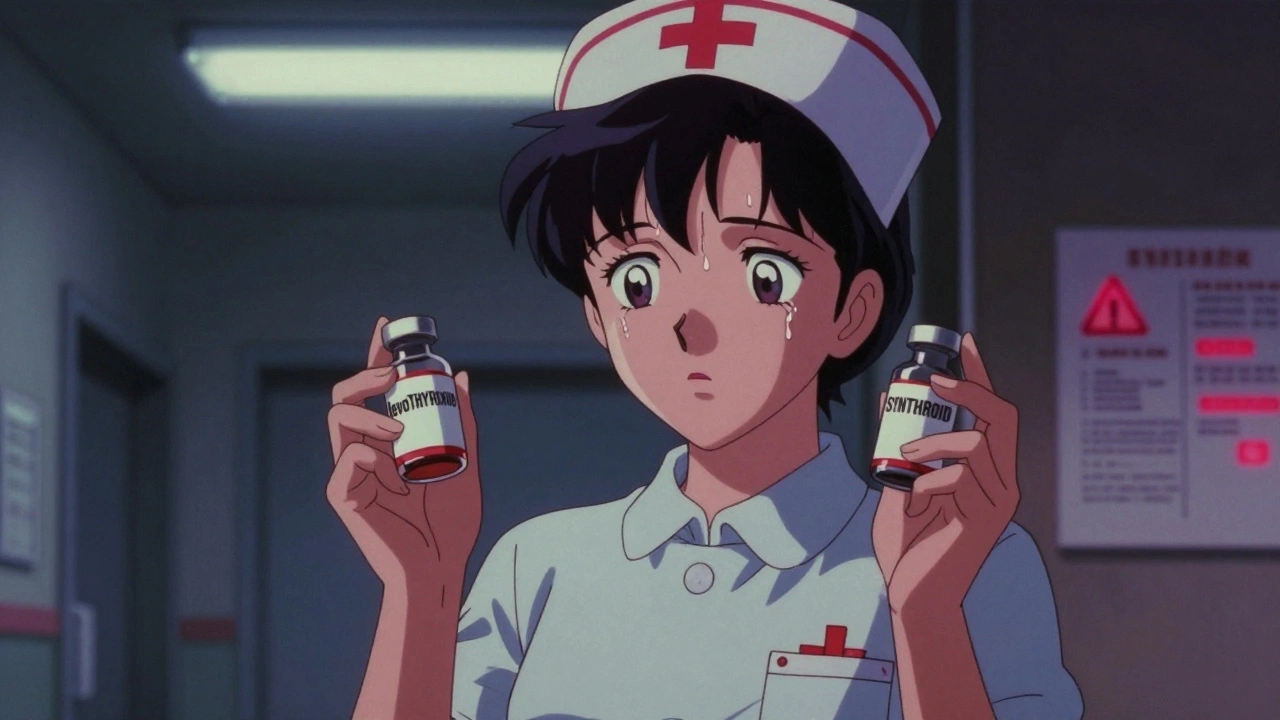
Look-alike and sound-alike medication names cause thousands of preventable errors each year. Learn which drug pairs are most dangerous, why mistakes keep happening, and how patients and staff can stop them.