The Basic Math of Value
When economists look at generic drugs, they aren't just looking at the price tag. They use a metric called the Incremental Cost-Effectiveness Ratio (or ICER), which is a formula that calculates the additional cost per additional unit of health outcome gained when comparing two treatments. To make this work, they need a way to measure "health outcome." The gold standard here is the Quality-Adjusted Life Year (or QALY), which combines both the quantity of life (years lived) and the quality of life into a single number. If a generic drug provides the same QALY as a brand-name drug but costs 40% less, the ICER shows a massive win for the healthcare system. The goal is to find the "sweet spot" where the cost per QALY stays below a certain threshold, ensuring the treatment is a justifiable use of limited funds.Why Not All Generics Are Created Equal
It's a common mistake to assume that all generics are priced the same. In reality, there is a huge gap depending on how you substitute the drugs. A study published in JAMA Network Open highlighted that some "high-cost generics" can be over 15 times more expensive than their therapeutic alternatives.| Substitution Type | Price Multiple (Median) | Cost Impact |
|---|---|---|
| Identical drugs (different makers) | 1.4x | Low |
| Same drug (different dosage form) | 20.2x | High |
| Different drugs (same therapeutic class) | 20.6x | Very High |
The "Patent Cliff" and Pricing Dynamics
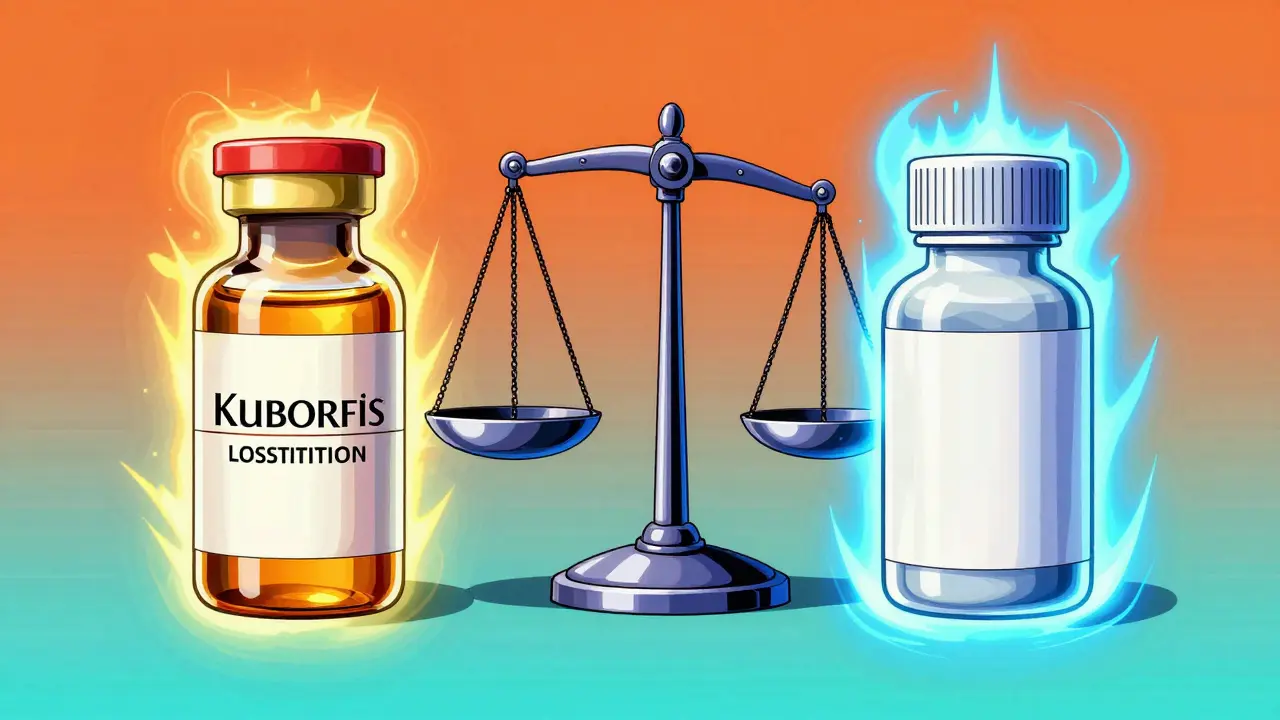
One of the biggest hurdles in measuring value is timing. Most cost-effectiveness studies fail to account for the "patent cliff"-the moment a brand-name drug's legal protection expires. Data from the FDA shows that when the first generic competitor hits the market, prices drop by about 39% on average. If the market gets crowded with six or more competitors, prices can plummet to 95% below the original brand price. This creates a problem for analysts. If you run a cost-effectiveness study today using current brand prices, you might conclude a drug is too expensive to be viable. However, if that patent expires in two years, the drug suddenly becomes incredibly cost-effective. This is why experts like Dr. John Garrison argue that failing to account for patent expiration creates "pricing anomalies" that can actually discourage the development of new medicines because the long-term value is underestimated.Hidden Market Distortions
If generics are so much cheaper, why do some expensive versions stay on the market? The answer often lies with Pharmacy Benefit Managers (or PBMs), which are third-party administrators that manage prescription drug programs for insurers and employers. PBMs often use a tactic called "spread pricing." They negotiate a low price with the pharmacy but charge the insurer a higher price, pocketing the difference. Because the PBM profits from this gap, they have little incentive to push the cheapest possible generic. This creates a disconnect where the theoretical cost-effectiveness of a drug doesn't match the actual price paid by the system, making the a-priori analysis a bit like guesswork.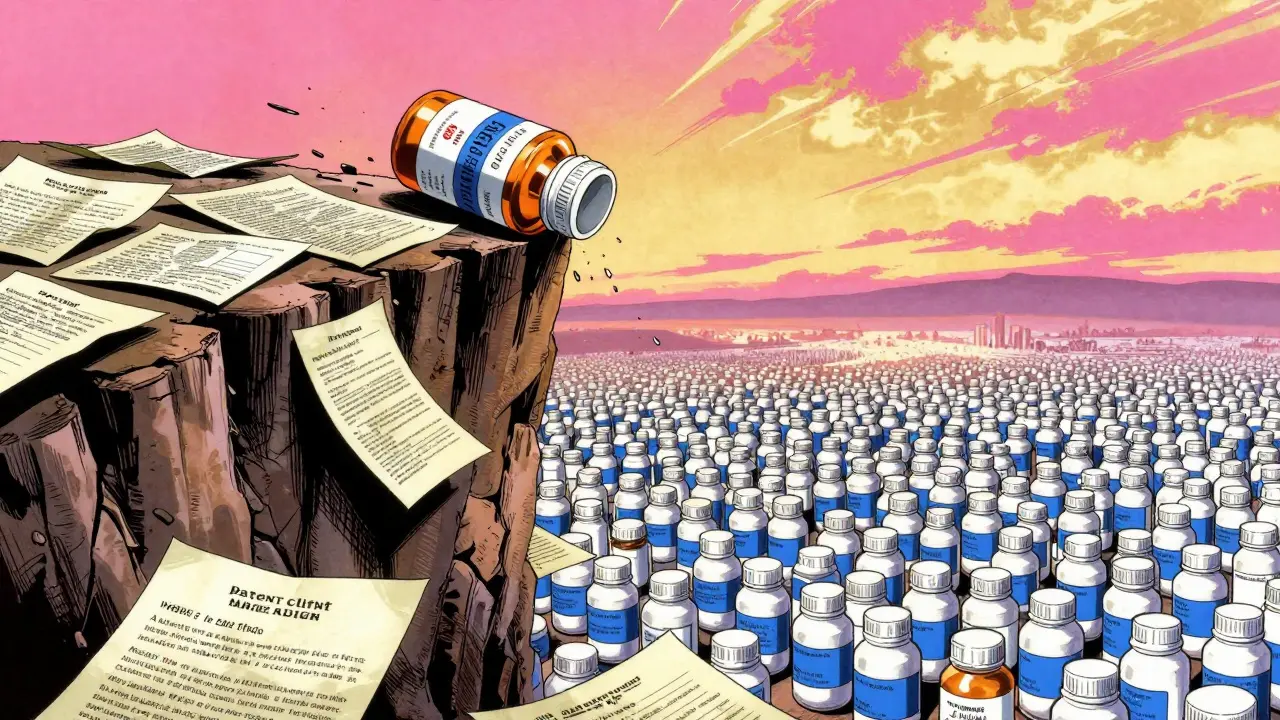
How to Actually Implement Value Measurements
For those managing health budgets, running a robust analysis requires more than a spreadsheet. You need a combination of longitudinal pricing data and clinical equivalence assessments. The NIH suggests a three-step framework for doing this right:- Proportionate Process: Don't spend $10,000 in labor to save $5,000 in drug costs. Match the depth of your analysis to the potential savings.
- Multi-Option Assessment: Compare the brand, the direct generic, and the therapeutic alternatives (different drugs in the same class).
- Dynamic Decision Rules: Your rules must change as the market changes. A drug that was "too expensive" last year might be the "best value" this year after a new generic entry.
The Big Picture: Trillions in Savings
To put this into perspective, the FDA estimates that generic drugs saved the U.S. healthcare system roughly $1.7 trillion over the decade ending in 2017. While that sounds like a win, the fact that 90% of prescriptions are generics but only 17% of spending goes toward them shows there is still a massive imbalance. As we move toward 2026, the pressure is increasing. With over 300 small-molecule drugs losing patent protection between 2020 and 2025, the ability to model these price drops accurately isn't just a technical exercise-it's a financial necessity. When we accurately measure the value of generics, we aren't just saving money; we're ensuring that the healthcare system can afford to treat more people more effectively.What is the difference between a generic drug and a therapeutic alternative?
A generic drug is the exact same active ingredient as the brand-name version. A therapeutic alternative is a different drug entirely, but it belongs to the same class and provides the same clinical benefit. In cost-effectiveness analysis, therapeutic alternatives often offer the highest potential for savings, sometimes reducing costs by over 80% compared to high-cost generics.
How does the "patent cliff" affect drug pricing?
The patent cliff is the point when a drug's patent expires, allowing generic manufacturers to enter the market. This typically triggers a sharp price drop. The first generic competitor usually reduces the price by about 39%, and once six or more competitors enter, the price can drop by more than 95% compared to the original brand price.
What is an ICER and why does it matter?
The Incremental Cost-Effectiveness Ratio (ICER) measures the extra cost of a new treatment compared to the extra health benefit it provides (usually measured in QALYs). It matters because it tells policymakers if the additional cost of a drug is "worth it" based on the amount of extra life or quality of life it grants the patient.
Why do some expensive generics remain on insurance formularies?
This is often due to "spread pricing" by Pharmacy Benefit Managers (PBMs). PBMs may profit from the difference between what they charge an insurer and what they pay a pharmacy. Because they make more money from higher-priced drugs, they may not always prioritize the cheapest generic alternative.
How reliable are industry-funded cost-effectiveness studies?
Industry-funded studies often report more favorable results than independent research. To avoid bias, healthcare providers and policymakers are encouraged to use third-party assessments, such as those from the Institute for Clinical and Economic Review (ICER), which provide more objective data on a drug's value.