

Meclizine Safety Checker
Assess whether meclizine is safe for you based on your age, health conditions, and medications.
Safety Assessment
When vertigo hits, it doesn’t just make you feel dizzy-it can turn a simple walk to the kitchen into a dangerous stumble. For many people, meclizine is the first pill their doctor reaches for. It’s been around since the 1970s, sold under names like Antivert and Dramamine Less Drowsy, and still used daily by thousands to calm the spinning world inside their head. But just because it’s common doesn’t mean it’s harmless. Understanding how meclizine works, what side effects you might face, and when to avoid it could mean the difference between relief and a bad reaction.
How Meclizine Stops Vertigo
Meclizine isn’t a cure for vertigo. It doesn’t fix the inner ear problem or the nerve signal gone wrong. Instead, it tricks your brain into ignoring the noise. As a first-generation antihistamine, it blocks histamine receptors in your brainstem-specifically in the areas that control balance and nausea. But it doesn’t stop there. It also acts like an anticholinergic, meaning it slows down signals from your parasympathetic nervous system. This dual action is why it works so well for dizziness: it calms the vestibular nuclei, the brain’s balance control center, without shutting down your vision or inner ear.
A landmark 1972 study published in the Archives of Neurology showed meclizine reduced vertigo symptoms by an average of 40 points on a 100-point scale. That’s not just a little better-it’s meaningful relief. What’s surprising is that it worked equally well whether the vertigo came from a damaged inner ear (peripheral) or a brainstem issue (central). That’s rare for a drug this old. Most newer treatments target specific causes. Meclizine just… works, broadly.
Common Side Effects: It’s Not Just Drowsiness
Everyone knows meclizine makes you sleepy. But that’s only half the story. The drowsiness isn’t mild-it’s strong enough that the Mayo Clinic explicitly warns: “Do not drive or operate machinery until you know how this medicine affects you.” In real life, that means people take it before bed, not before work. One patient in Manchester told me she stopped taking it during the day after nearly crashing her car while waiting at a red light. She didn’t feel drunk, just… slow. Too slow to react.
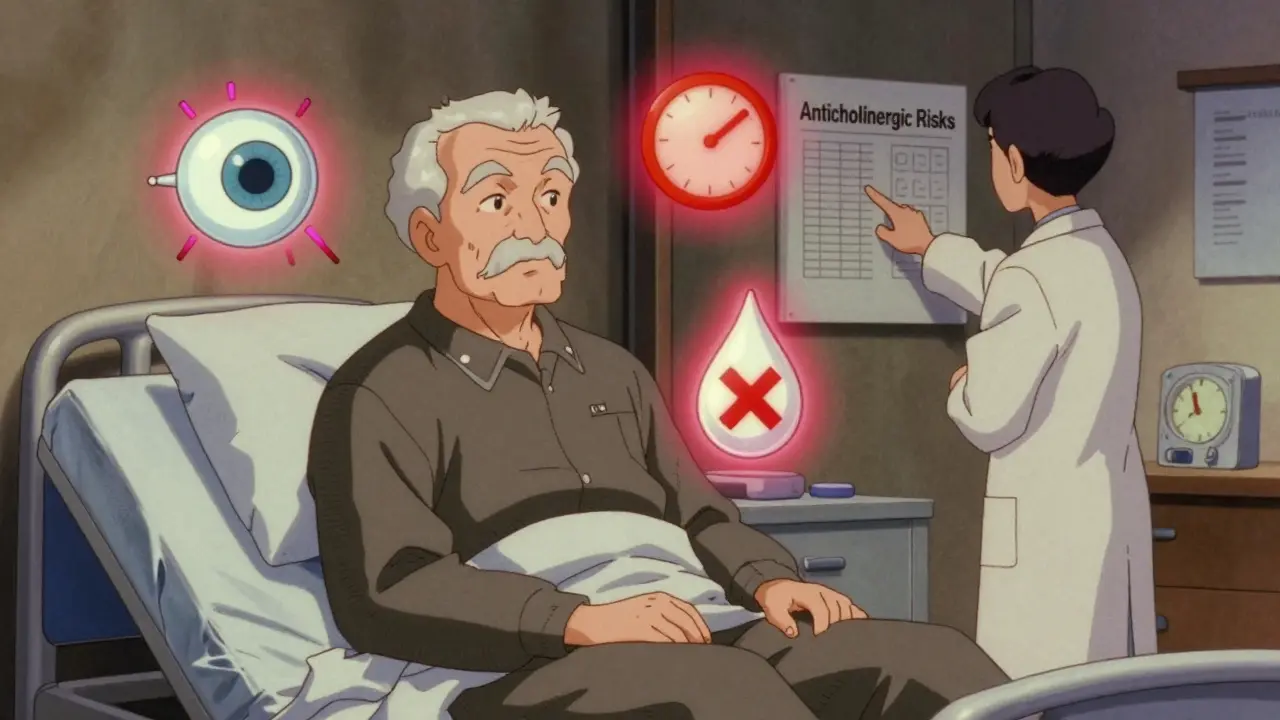
But drowsiness isn’t the only side effect. Dry mouth? Common. Blurred vision? Happens. Constipation? Yes. These aren’t rare quirks-they’re direct results of the anticholinergic action. Your body stops producing saliva, your pupils dilate slightly, and your gut slows down. For younger people, this might be a minor annoyance. For older adults, it’s risky. Dry mouth increases the chance of tooth decay. Blurred vision raises fall risk. Constipation can lead to bowel obstructions. The Cleveland Clinic recommends meclizine for short-term use only, not weeks or months on end, because of these cumulative effects.
Who Should Avoid Meclizine
Not everyone should take meclizine. If you’re over 65, your body processes drugs slower. Your brain is more sensitive to anticholinergics. Studies show older adults are far more likely to experience confusion, memory lapses, or urinary retention after taking meclizine. The American Geriatrics Society lists it as a medication to avoid in seniors unless absolutely necessary.
People with glaucoma should skip it. Meclizine can raise pressure inside the eye, making symptoms worse. Those with enlarged prostates may struggle to urinate. If you have liver disease, your body can’t clear the drug as quickly, leading to buildup and stronger side effects. And if you’re pregnant? The data is limited. Some doctors prescribe it for morning sickness, but only after weighing risks. The FDA hasn’t approved it for pregnancy, and there are safer alternatives like vitamin B6 or ginger.
Drug Interactions: The Hidden Danger
Meclizine doesn’t play well with others. Mixing it with alcohol? A bad idea. The drowsiness multiplies. Taking it with your nighttime sleep aid? You could wake up groggy for hours. Even over-the-counter cold medicines-like those with diphenhydramine or chlorpheniramine-can push you into dangerous sedation territory.
Antidepressants? Benzodiazepines? Opioid painkillers? All of these amplify meclizine’s central nervous system depression. The Mayo Clinic says to “check with your doctor before taking any other medicine” while on meclizine. That includes herbal supplements like valerian or melatonin. One 72-year-old man in Leeds ended up in the ER after combining meclizine with his sleep gummies and a glass of wine. He didn’t fall, but he couldn’t stand up either. He was confused for two days.
Dosing and Timing: Do It Right
Meclizine comes in 12.5 mg, 25 mg, and 50 mg tablets. For vertigo, most people start with 25 mg once a day. If symptoms persist, a doctor might increase it to 50 mg. For motion sickness, take it at least one hour before travel. Don’t wait until you’re already dizzy-it won’t help.
Take it with water. Don’t crush or chew unless it’s the chewable form. Try to take it at the same time each day. If you miss a dose, take it as soon as you remember-but skip it if it’s almost time for the next one. Never double up. More isn’t better. It just means more side effects.
Some people take it for days. Others for weeks. But long-term use? Not recommended. The longer you’re on it, the more your body adapts-and the more side effects pile up. If your vertigo lasts longer than a few weeks, your doctor should be looking for the root cause, not just keeping you on meclizine.

Alternatives and When to Consider Them
Meclizine isn’t the only option. Betahistine, for example, is used in Europe for Ménière’s disease and has fewer sedative effects. It’s not FDA-approved in the U.S., but some doctors prescribe it off-label. Dimenhydrinate (Dramamine) works similarly but causes more nausea and dry mouth. Benzodiazepines like diazepam are powerful for acute vertigo attacks but carry addiction risk and are only for short bursts.
For chronic dizziness, vestibular rehabilitation therapy-physical therapy for your balance system-is often more effective long-term than any pill. Studies show it helps retrain the brain to compensate for inner ear damage. It doesn’t work overnight, but it doesn’t make you sleepy either.
If you’re young, healthy, and need short-term relief for a spinning episode, meclizine still makes sense. But if you’re older, on other meds, or need to stay alert, ask your doctor about alternatives. There’s no shame in switching.
When to Call Your Doctor
Most side effects fade after a few days as your body adjusts. But if you notice any of these, call your doctor right away:
- Severe dizziness that gets worse after taking meclizine
- Difficulty urinating or pain when you try
- Fast, irregular heartbeat
- Severe confusion or memory loss
- Yellowing of the skin or eyes
These aren’t common, but they’re serious. Meclizine is generally safe for short-term use, but your body’s reaction is personal. What’s mild for one person could be dangerous for another.
Final Thoughts: A Tool, Not a Crutch
Meclizine has earned its place in vertigo treatment. It’s cheap, widely available, and backed by decades of solid research. But it’s not magic. It’s a tool-useful for calming acute attacks, but dangerous if used carelessly or for too long. If you’re taking it, know the risks. Track your side effects. Talk to your doctor about alternatives. And never assume that because it’s old, it’s safe. The safest medicine is the one you use wisely.
Can meclizine cause long-term damage?
Meclizine doesn’t cause permanent damage when used as directed for short periods. But long-term use-especially in older adults-can lead to persistent anticholinergic effects like memory issues, urinary problems, and constipation. These usually reverse after stopping the drug, but the longer you take it, the harder your body has to work to recover. Doctors recommend using it only for acute episodes, not as a daily maintenance pill.
Is meclizine addictive?
No, meclizine is not addictive. It doesn’t trigger dopamine release or create physical dependence like opioids or benzodiazepines. But some people feel they can’t function without it because it stops their vertigo so well. This isn’t addiction-it’s reliance on symptom relief. If you’ve been taking it for weeks, your doctor should help you taper off and explore other treatments.
Can I take meclizine with ginger or vitamin B6?
Yes, meclizine can be safely combined with ginger or vitamin B6. In fact, many people use them together-meclizine for quick relief, ginger for nausea control, and B6 for long-term balance support. There are no known dangerous interactions. Just be aware that ginger can thin the blood slightly, so if you’re on blood thinners, check with your doctor first.
Why does meclizine make me feel so tired?
Meclizine crosses the blood-brain barrier easily and blocks histamine receptors in areas that control wakefulness. Unlike newer antihistamines like loratadine, which stay mostly outside the brain, meclizine acts directly on your central nervous system. That’s why it’s effective for vertigo-but also why it makes you drowsy. The effect is stronger than in second-generation antihistamines because it also has anticholinergic properties that slow brain activity.
Is there a non-drowsy version of meclizine?
No, there isn’t. All forms of meclizine-whether generic, brand-name, or chewable-have the same active ingredient and cause drowsiness. If you need something without sedation, ask your doctor about betahistine (if available), vestibular therapy, or other non-sedating options. Some people use low-dose SSRIs for chronic dizziness, but these require a prescription and take weeks to work.
Can I drink alcohol while taking meclizine?
No. Alcohol enhances the sedative effects of meclizine, increasing dizziness, confusion, and risk of falls. Even one drink can make you dangerously unsteady. The Mayo Clinic and Cleveland Clinic both warn against combining them. If you’re taking meclizine, skip alcohol until you’ve stopped the medication and your body has cleared it-usually 24 to 48 hours after your last dose.






Meclizine? Please. I’ve been taking it since I was 19 after a boating accident. My grandpa said it was the only thing that kept him from puking over the side of his fishing boat in ’78. Now they wanna tell me it’s dangerous? Nah. It’s just the government and Big Pharma trying to scare folks into buying expensive new drugs that don’t work half as well. I’m 58 and still drive, cook, and mow my lawn on it. If you’re too weak to handle a little drowsiness, maybe you shouldn’t be out in the real world anyway.
While I appreciate the comprehensive overview of meclizine’s pharmacology and clinical implications, I would respectfully emphasize the importance of individualized risk-benefit analysis, particularly in elderly populations. The anticholinergic burden, even at therapeutic doses, may contribute to cognitive decline over time, and non-pharmacological interventions such as vestibular rehabilitation should be prioritized as first-line options where feasible.
Let’s be brutally honest: meclizine isn’t medicine-it’s chemical sedation disguised as treatment. It doesn’t fix vertigo; it just makes you too numb to care you’re spinning. The real problem isn’t the drug-it’s the medical system’s addiction to quick fixes. We’ve replaced healing with hypnotics. We’ve turned neurological imbalance into a pill-popping epidemic. And now we’re surprised when seniors forget their grandchildren’s names? Wake up. This isn’t pharmacology-it’s societal surrender wrapped in a white coat.
It’s interesting how the article casually mentions ‘long-term use isn’t recommended’ without citing any longitudinal studies or defining what ‘long-term’ actually means. Is it 14 days? 90 days? A year? The lack of empirical thresholds undermines the entire argument. Furthermore, the assertion that side effects ‘usually reverse’ after discontinuation is presented as fact, yet no data on recovery timelines or residual deficits is provided. This is anecdotal medicine dressed as evidence.
I’ve worked with dozens of patients who’ve been on meclizine for months because no one ever sat down with them to talk about alternatives. It’s not that they’re lazy-it’s that the system doesn’t give them time or resources to explore rehab, diet, hydration, sleep hygiene. Meclizine is easy. Vestibular therapy? Requires commitment. And that’s the real tragedy. We give people a crutch instead of teaching them how to walk again. You don’t need to be on this forever. You just need someone to believe you can get off it.
Anyone who says meclizine is safe for under-65s is lying. That anticholinergic load is cumulative, and even young people get dry mouth, constipation, and brain fog. I’ve seen 28-year-olds on it for ‘motion sickness’ during road trips-every weekend. That’s not a solution, that’s a habit. And don’t even get me started on people mixing it with melatonin gummies. You think you’re helping yourself? You’re just building a slow-motion overdose.
I took this for my vertigo after my migraine attack last year. Felt like my head was a washing machine on spin cycle. Meclizine? It was like someone flipped a switch. I cried. Not because I was sad-because I could finally stand up without throwing up. I know it’s not perfect. I know it makes me sleepy. But sometimes? You just need to survive the day. And that’s okay.
It is deeply irresponsible to promote meclizine as a benign option for vertigo. The drug is a neurochemical blunt instrument. Its use in geriatric populations constitutes a form of chemical restraint. The American Geriatrics Society’s Beers Criteria exists for a reason. To continue prescribing it without exhausting non-pharmacological alternatives is not medical practice-it is negligence dressed in prescription paper.
Okay but like… I took meclizine and it worked so hard I fell asleep on my couch for 7 hours 😴 and woke up with a mouth like the Sahara 🐪 and my cat judging me 🐱💔 I’m not mad… just… very thirsty. Also, I miss my cat’s face when I was out cold. He licked my ear. That’s love.
I’ve been on this for 11 months. My doctor said it was fine. Then my sister said I was ‘zombie-like’. I stopped. Now I’m dizzy again. So I started back. I hate myself for needing it. I hate that I’m scared to quit. I hate that no one tells you how hard it is to come off. It’s not the dizziness. It’s the shame.
There’s a quiet irony in how we treat vertigo: we fear the spinning world, so we silence the signal. But what if the signal isn’t noise? What if it’s the body screaming for attention? Meclizine doesn’t heal-it muffles. And in muffling, we forget to listen. Maybe the real cure isn’t in the pill, but in the pause we refuse to take.