
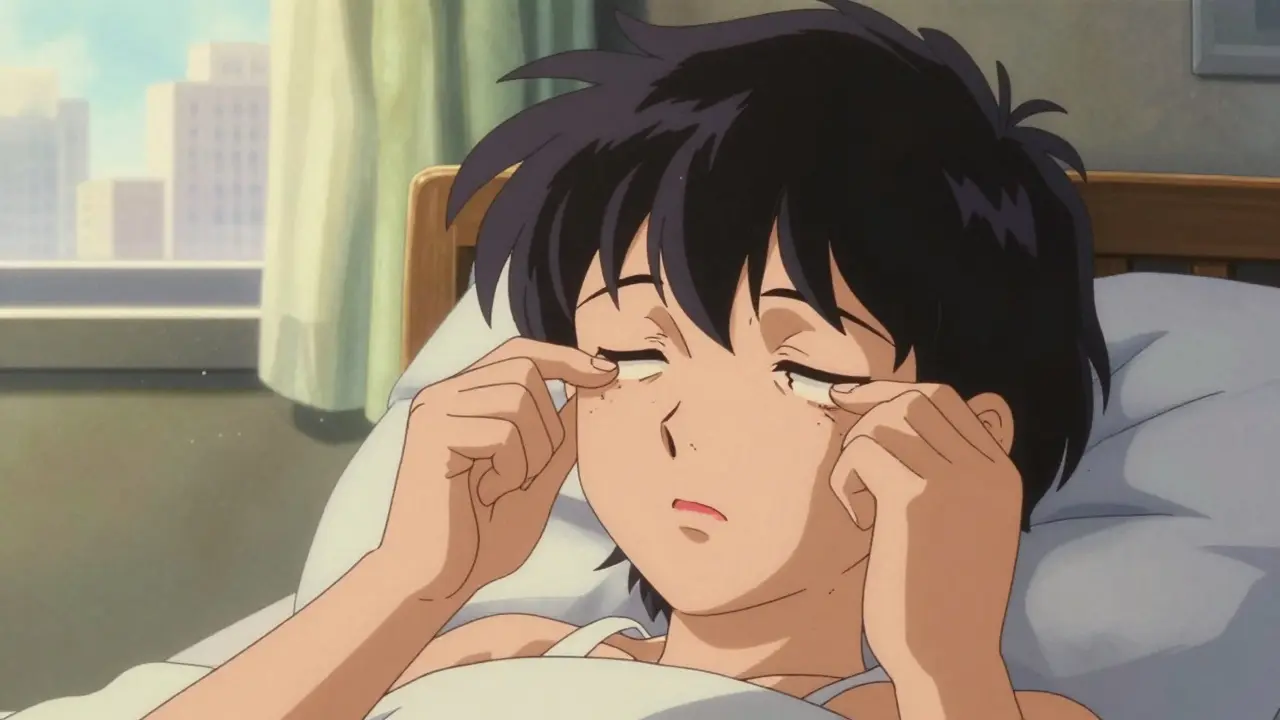
You wake up feeling like your eyes were sandblasted overnight. The blinking doesn't help; instead, every blink feels heavier. If this sounds familiar, you are likely dealing with Dry Eye Disease (DED), a condition affecting millions globally that disrupts daily life. It is not just about dryness; it involves inflammation and damage to the surface of your eye. In my experience helping patients navigate this, the most effective path combines direct lubrication with environmental adjustments.
Many people jump straight to expensive prescriptions without understanding the basics of tear film stability. Your natural tears consist of three layers: oil, water, and mucus. When any layer fails, evaporation increases. The goal of management is restoring homeostasis. We break this down into two main pillars: topical treatments like lubricants and systemic environment control using humidifiers.
Understanding the Condition and Scope
Dry Eye Disease A multifactorial condition characterized by decreased tear production or increased evaporation, resulting in ocular discomfort and visual disturbance. According to major clinical workshops, this isn't rare. Estimates suggest nearly half the population may experience symptoms depending on diagnostic criteria. It is often categorized into aqueous-deficient (not enough water) or evaporative (not enough oil) types. The latter is more common, accounting for roughly 86% of cases. Identifying your type matters because a gel-based drop helps differently than an oil-based barrier.
Symptoms vary from gritty sensations to blurred vision. A 2022 survey highlighted that over 68% of patients report significant impacts on daily activities. Ignoring it leads to potential corneal damage. Management follows a stepped-care model. You start with simple environmental tweaks and over-the-counter drops before moving to immunomodulatory drugs.
Lubricants: From OTC to Prescriptions
The first line of defense usually involves Artificial Tears, which replace missing tear components. These fall into two buckets: Over-the-Counter (OTC) and Prescription. OTC versions typically contain ingredients like carboxymethylcellulose or sodium hyaluronate. They come in different viscosities. Low-viscosity drops like Refresh Tears offer quick relief for mild symptoms but fade in 1-2 hours. High-viscosity gels provide coverage for 4-6 hours but can blur vision temporarily.
- Ingredients: Hyaluronic acid hydrates well; Propylene glycol retains moisture.
- Viscosity: Water-like solutions for frequent use; Gels for night or severe dryness.
- Frequency: Mild cases need 2-4 doses daily; Severe cases might require 6 or more.
If OTC options fail, prescription medications target inflammation rather than just replacing fluid. This is where things get specific. One widely used option is Cyclosporine, marketed under brands like Restasis. It works as a calcineurin inhibitor, reducing inflammation in the lacrimal gland to boost tear production. The catch? It takes time. You typically wait 3-6 months to see results. Users often complain of a burning sensation upon application, reported by around 68% of negative reviewers. Generic versions became available recently, lowering costs significantly compared to brand names.
Another option is Lifitegrast, known commercially as Xiidra. Approved in 2016, this acts as an LFA-1 antagonist targeting T-cell mediated inflammation. Clinical data shows symptom improvement often occurs within 2 weeks, which is faster than cyclosporine. However, transient irritation occurs in about 25% of users right after the drop goes in. Pricing is higher here, often running between $450 and $550 per month without insurance assistance.
Innovative formulations have arrived recently. Perfluorohexyloctane, sold as Miebo, functions differently. It creates a protective barrier over the ocular surface using semifluorinated alkanes. This targets evaporation directly. FDA trials showed it improved dryness symptoms immediately compared to vehicle controls. Because it sits on top of the tear film, it blurs less than heavy gels. However, you cannot wear contact lenses during application; you need to remove them and wait 30 minutes.
Comparing Drug Efficacy and User Experience
| Medication Class | Onset of Effect | Common Side Effects | Monthly Cost Estimate |
|---|---|---|---|
| Cyclosporine Emulsion | 3-6 Months | Burning, Stinging | $150-$550 |
| Lifitegrast | 2 Weeks | Irritation, Taste Disturbance | $450-$550 |
| Perfluorohexyloctane | Immediate | Minimal | ~$650 |
| Varenicline Nasal Spray | Variable | Nasal congestion | ~$200 |
Cost remains a massive barrier. Generic cyclosporine offers a cheaper alternative ($150 range) versus brand name ($500+). For newer agents like Miebo, commercial insurance often requires step therapy. This means you must try and fail older, cheaper drugs before they approve coverage. Roughly 62% of plans impose these restrictions as of early 2024. Additionally, adherence is tricky. Only about 52% of patients maintain consistent twice-daily dosing at six months because the initial sting makes skipping doses tempting.
Environmental Control: The Humidifier Strategy
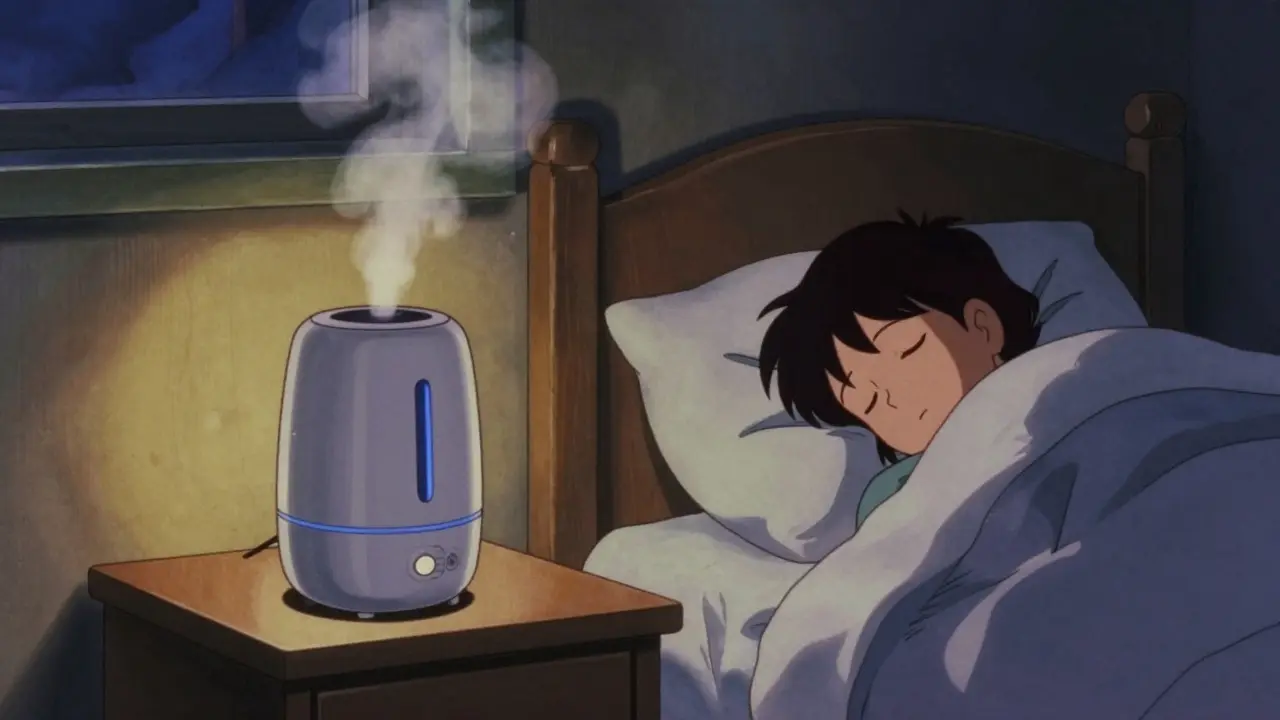
Medication alone cannot fix a drying room. If the air is too dry, no amount of drops will last long enough to heal your surface. This is why Humidifiers are recommended alongside medication. These devices add moisture to the air, stabilizing the tear film indirectly. A standard recommendation from patient surveys is setting your humidifier to maintain 40-60% relative humidity. This specific range prevents rapid evaporation while avoiding mold growth risks associated with excess moisture.
Humidifier usage is widely endorsed in patient communities. Over 72% of forum respondents noted significant improvement in nighttime symptoms when using one. Place it near your sleeping area or workstation. It does not require a prescription, making it an accessible adjunctive therapy. Unlike drops, it works passively. Just ensure you clean it regularly to prevent bacterial buildup.
Implementation and Adherence Tips
Getting started involves mastering the administration technique. It takes 1-2 weeks to feel comfortable dropping medicine into your own eyes. About 45% of new users need help during the first week. Here are practical ways to improve success rates:
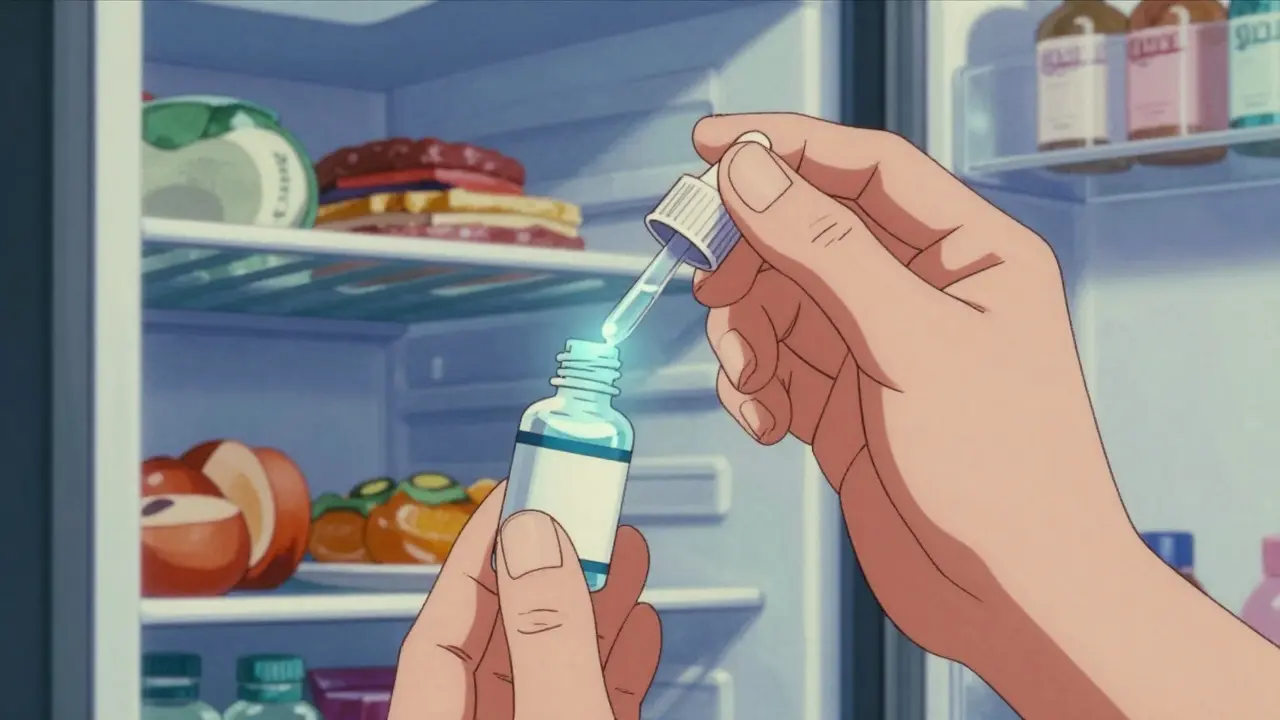
- Cool the Drops: Refrigerating cyclosporine drops reduces the burning sensation by roughly 63%. Keep the bottle in the fridge (not freezer).
- Timing: Drop medication 10-15 minutes before reinserting contact lenses, unless specifically instructed otherwise by your doctor.
- Punctal Plugs: Ask your doctor about these small inserts that block tear drainage ducts. This prolongs medication contact time on the eye.
- Combination Therapy: Some patients use Miebo for immediate relief and combine it with long-term cyclosporine for inflammation control.
Documentation quality varies by product. Prescription bottles carry detailed FDA-mandated instructions. OTC tubes often lack comprehensive guidance on frequency. Read labels carefully or ask your optometrist for a written schedule.
Future Trends and Accessibility
The market is evolving rapidly. New mechanisms like Reproxalap show promise for reducing redness and improving tear volume scores. The industry projects a 10.5% annual growth rate through 2029. Personalized medicine is emerging, with systems analyzing osmolarity to determine exactly which pathway your dry eye stems from. This allows doctors to skip trial-and-error and prescribe the right agent sooner.
Despite advances, financial hurdles persist. Without adequate insurance, spending $600 monthly on drops is unsustainable for many. Patient assistance programs exist but require paperwork. Discuss costs openly with your provider; sometimes a generic substitution or switching to a nasal spray formulation (like Tyrvaya) offers a lower-cost alternative with similar efficacy for certain profiles.
How long does it take for prescription eye drops to work?
It depends on the medication. Lifitegrast (Xiidra) often shows improvement in 2 weeks, while Cyclosporine (Restasis) typically requires 3 to 6 months of consistent use before noticeable benefits appear.
Can I use artificial tears with contact lenses?
Most preservative-free artificial tears are safe for lenses. However, with specific prescription drops like Miebo, you must remove lenses for 30 minutes. Always check the label or consult your doctor.
Are humidifiers necessary for dry eye treatment?
They are highly recommended as an adjunctive treatment. Maintaining indoor humidity between 40-60% significantly reduces tear evaporation, especially at night when symptoms worsen.
Why do my eye drops burn when I put them in?
Burning is common with anti-inflammatory drops containing cyclosporine. Cooling the drops in the refrigerator before use is a proven trick to reduce this stinging sensation for many users.
What is the difference between aqueous deficient and evaporative dry eye?
Aqueous deficiency means your glands produce too little water. Evaporative dry eye means your tears evaporate too quickly, usually due to an unstable oil layer. Evaporative is far more common, representing about 86% of cases.




drops help more than humidifiers fridge trick works well dont skip doses or its useless
I finally got my eyes under control after years of struggle
The humidifier changed everything honestly
It was just so frustrating waking up like that
You wake up feeling sandblasted basically
My doctor said tears have three layers now
I never knew oil mattered until later
Buying expensive drops felt like gambling sometimes
Xiidra worked faster for sure though
Cyclosporine took forever to kick in
Burning sensation made me want to quit daily
But sticking to the schedule really paid off
Refrigeration trick actually reduced pain significantly
Don't forget to clean your humidifier regularly
Mold is scary stuff in those machines
Consistency is key for any treatment plan
Just keep trying new things for relief
I wish I found this advice much sooner in life
Oh great another medical solution that costs hundreds monthly
Meanwhile insurance companies hide behind step therapy walls
Why fix the symptom when they can sell the process instead
Great job finding a machine to blame for dry air
Nothing changes except your bank account balance
The pursuit of eye comfort is a metaphor for human suffering
We try to lubricate a world that refuses to stay wet
Pharmaceuticals sell us hope while we blink slowly
Maybe the cure isn't in the bottle at all
The philosophical implication of artificial tears is profound indeed
Do we replace nature or supplement our own biology here
Perhaps the true healing comes from internal rest alone
External interventions only mask the deeper systemic imbalance
One must question the necessity of such frequent application
Is the goal merely comfort rather than biological restoration
Your adherence protocol requires absolute dedication to the regimen
Financial barriers are significant obstacles for many patients today
However neglecting the condition worsens corneal damage rapidly
You must prioritize health over immediate cost savings
Generic alternatives offer substantial relief without high expense
Contact lens timing demands precise calculation by you
Ensure the device maintains forty percent relative humidity
Ideally you shall maintain this environment nightly
Your advice regarding consistency is completely valid
Failing to adhere ruins the therapeutic window entirely
We must demand results from every prescribed medication dose
Patient assistance programs exist to bridge financial gaps
Do not let price dictate your ocular health outcomes
Stand firm against the discomfort during the loading phase
Victory over dryness requires mental strength alongside drops
This humidifier push smells suspiciously like a tech distraction
Big pharma loves passive devices while pushing active bills
They say moisture fixes evaporation yet ignore chemical triggers
Sometimes these gadgets harbor bacteria colonies undetected
Cleanliness protocols feel like rituals to please doctors
Do not trust a plastic box breathing on your face blindly
None of this works because the water supply is poisoned.