Sep 29, 2025
Fosfomycin vs Other UTI Antibiotics: A Detailed Comparison
Ever bought a supplement that promised the world and left you with questions instead? This category is for the people who want clear, useful answers — not hype. You’ll find straightforward guides on medicines, side effects, cheaper options, and safe supplement use. No fluff, just the facts you can act on.
Look here when you need quick, practical help: understanding a drug, spotting dangerous side effects, finding cheaper options, or checking whether a supplement is worth trying. Want a quick plan? First, search the site for the drug or condition. Second, read the side effects and warnings. Third, check the money-saving tips or alternatives. And always bring questions to your prescriber or pharmacist.
Quick safety tips you can use right now: if you notice swelling of the face, lips, or throat after a drug — stop it and get emergency care. For non‑emergency side effects, write down when symptoms started, which pills you took, and share that with your doctor. If cost is the issue, ask for a generic, check your insurance formulary, and compare local pharmacy prices — sometimes the difference is big.
Provera Birth Control: a plain-language guide on what Provera does, common side effects, and what to expect during treatment. Great if you’re new to medroxyprogesterone or deciding whether to start it.
Cost Breakdown: Generic vs. Brand-Name Inhalers explains why prices vary, how insurance affects what you pay, and quick ways to slash your inhaler bill.
Penicillin Allergy guide walks through safe antibiotic substitutes, real cross‑reactivity numbers, and what doctors actually use when penicillin is off the table.
Exploring Alternatives to Alprazolam covers non‑benzodiazepine options for anxiety, with pros and cons so you can discuss alternatives with your clinician.
Supplement spotlights — Autumn Crocus, Cowslip, Bean Pod, Canthaxanthin — each post looks at claimed benefits, what studies say, common doses, and safety concerns so you can decide if a supplement fits your routine.
We also cover antibiotics like Amoxil and Cefadroxil, heart meds like irbesartan (including allergy signs like angioedema), telemedicine options, and practical posts about conditions such as endometriosis or pelvic floor issues. If a topic affects daily life — pain, mood, breathing, infection — you’ll find a no-nonsense article here.
Want the fastest results? Use the search box for a drug name or symptom, read the short summary at the top of each article, then scan the side effects and advice sections. Ask your pharmacist for confirmation — they’re a great resource for immediate, local help.
If you want personalized help, print or save the article and bring it to your appointment. That small step makes conversations with doctors clearer and gives you control over your health choices.

Explore effective management strategies for dry eye disease including lubricants, prescription medications like Cyclosporine, and environmental adjustments using humidifiers.
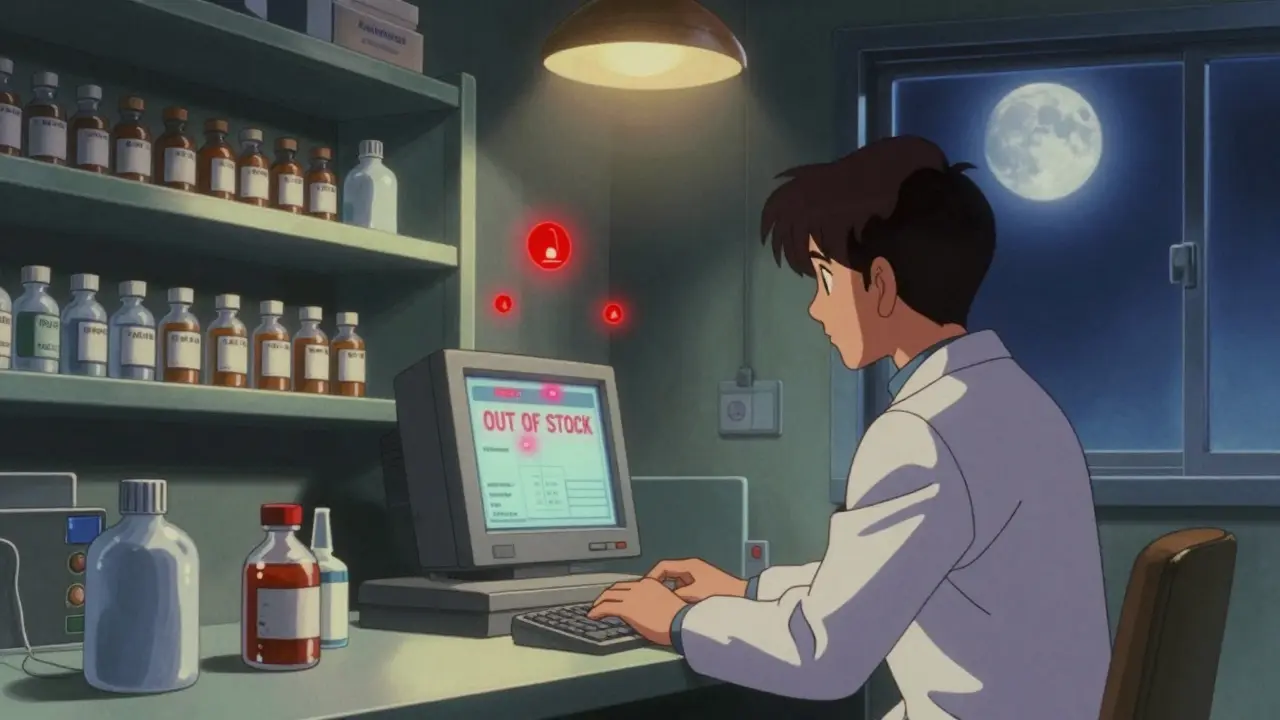
Medication shortages are worsening, with 287 drugs in short supply in 2022. Learn how hospitals manage these crises, which drugs are most affected, and what patients and providers can do now.
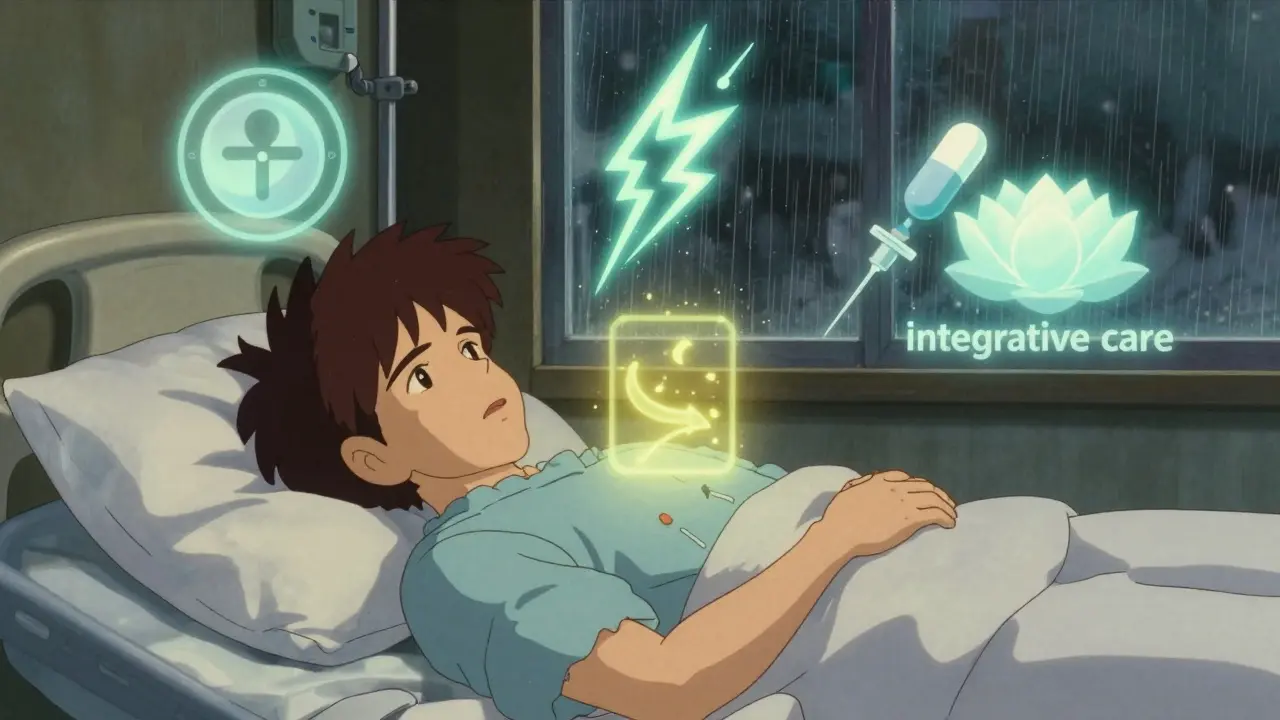
Cancer pain can be managed effectively with a mix of opioids, nerve blocks, and integrative therapies. Learn how modern approaches go beyond the WHO ladder to reduce pain, side effects, and improve quality of life.
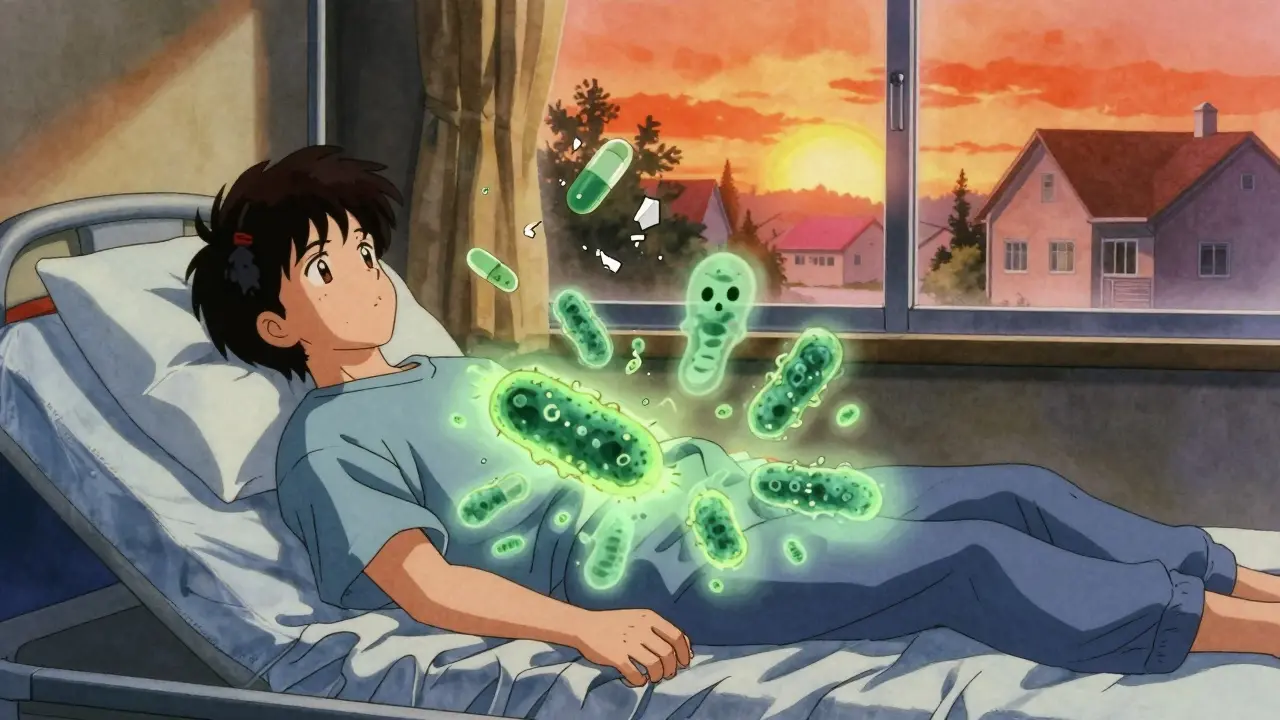
C. difficile colitis is a dangerous infection triggered by antibiotics. Learn which drugs carry the highest risk, how fecal transplants cure recurrent cases with 90% success, and what new treatments are on the horizon.

Cirrhosis causes muscle loss that increases death risk. Protein intake is critical for survival - not something to restrict. Learn how much you need, where to get it, and how to eat it right.

Learn proven, science-backed strategies to reduce pet dander in your home and manage allergy symptoms without giving up your pet. From HEPA vacuums to pet bathing, discover what actually works.

Heart valve diseases like stenosis and regurgitation can silently damage your heart. Learn how they differ, what symptoms to watch for, and how modern treatments like TAVR and MitraClip are changing survival rates.
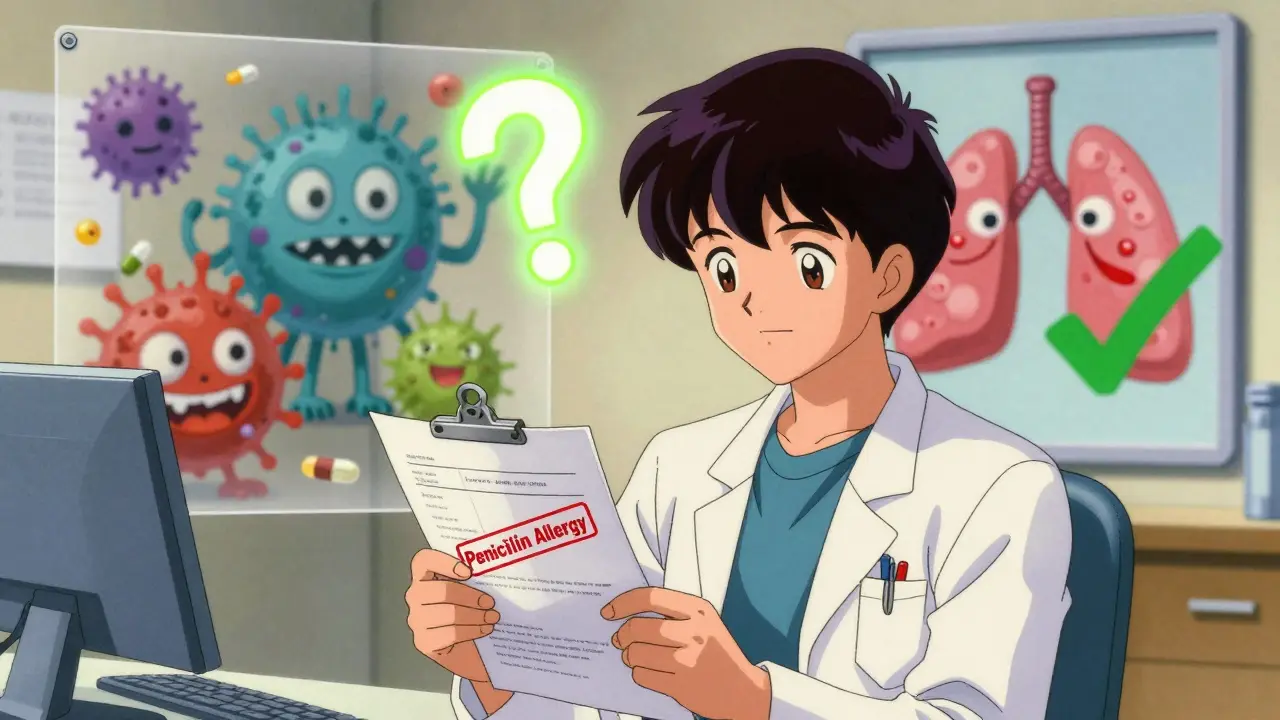
Most people who think they're allergic to penicillin aren't. Learn the truth about penicillin allergies, how to tell if yours is real, and why getting tested could save your life-and lower healthcare costs.

Learn how to teach family members to recognize opioid and stimulant overdose signs, use naloxone, and respond quickly to save a life. Practical, evidence-based steps for real-world emergencies.

Colorectal cancer screening now starts at age 45. Learn how colonoscopy prevents cancer, what chemotherapy regimens are used, and why early detection saves lives. Updated for 2026.